

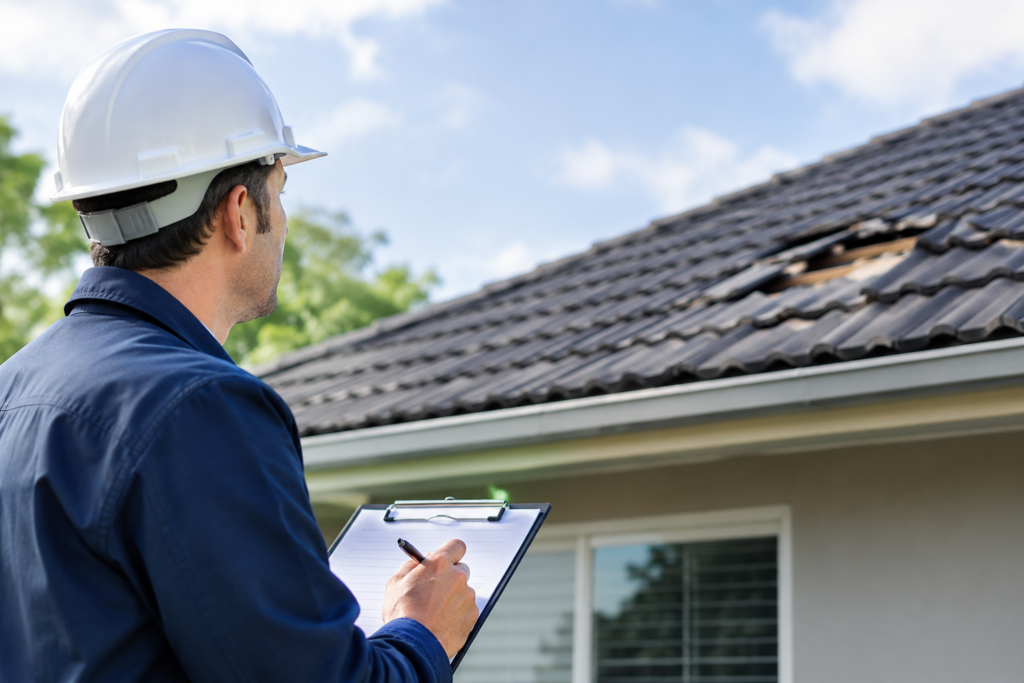
A missing shingle or a ceiling stain after a storm raises an immediate question for Tallahassee homeowners: will my insurance pay for this? The honest answer is “it depends,” but knowing how policies work puts you in a far stronger position. Here’s what to expect.
What Homeowners Insurance Usually Covers
Most standard homeowners policies cover roof damage caused by sudden and accidental events, often called “covered perils.” In North Florida, these commonly include:
- Wind damage, including tropical storms and hurricanes (often subject to a separate hurricane deductible)
- Fallen trees and branches that puncture or crush roofing
- Hail damage that cracks or bruises shingles
- Fire and lightning strikes
- Water damage inside the home that results from a covered roof opening
If a storm tears shingles off your roof, there’s a good chance the repair falls under your policy. Coverage generally pays for the repair or replacement of the damaged area, minus your deductible.
What Insurance Typically Does Not Cover
Insurers draw a clear line between sudden damage and gradual wear. Expect a denial if the problem is:
- Normal aging and wear and tear. A 20-year-old roof that has simply reached the end of its life is a maintenance issue, not an insurance claim.
- Neglect. Ignoring a small leak until it becomes a major one can void coverage for the resulting damage.
- Poor installation or previous faulty repairs.
- Flooding. Storm surge and rising water require separate flood insurance.
- Cosmetic issues such as moss, algae, or minor discoloration.
In Florida, many insurers also apply age-based restrictions. Roofs older than 10 to 15 years may receive reduced payouts (actual cash value instead of replacement cost) or face non-renewal. Check your policy language carefully.
Understanding Your Deductible
Your deductible is what you pay before coverage kicks in. Florida policies often include a separate hurricane deductible, typically a percentage of your home’s insured value (commonly 2% to 5%) rather than a flat dollar amount. If your repair costs less than your deductible, filing a claim may not make financial sense, so get an estimate before you decide.
How to File a Roof Damage Claim
Handling a claim correctly can make the difference between approval and frustration:
- Prevent further damage. Place tarps over exposed areas. Most policies require “reasonable steps” to protect your home, and temporary repair costs are often reimbursable.
- Document everything. Take dated photos and video of the damage, inside and out.
- Contact your insurer promptly. Florida has strict deadlines for reporting claims, so don’t wait.
- Get a professional roof inspection. A licensed roofer can identify the cause and extent of damage and provide a detailed written estimate.
- Be present for the adjuster’s visit. Share your roofer’s findings and documentation.
- Keep all receipts for repairs and temporary fixes.
Don’t Forget Your Gutters
Roof damage rarely happens in isolation. Wind and falling debris often damage gutters and downspouts too, and damaged gutters can send water back under your roofing edge. Many policies treat gutters as part of the dwelling, so have both inspected at the same time. Our gutter installation and repair services can document gutter damage alongside your roof for a complete claim.
Work With a Local Roofer You Can Trust
A reputable contractor helps you understand what is storm damage versus wear, and provides the documentation your insurer needs. If you’re unsure whether your damage is repairable, our roof repair experts can inspect it and give you an honest assessment. If the damage is extensive or your roof is near the end of its lifespan, a full roof replacement may be the smarter long-term investment.
At Gutter Hawk, we’re Tallahassee’s roofing and gutter specialists, so you get one trusted team for everything above your walls. Call us at 850-779-1081 or email [email protected] to schedule an inspection.
Frequently Asked Questions
It depends on the cause. A leak from storm damage or a covered peril is usually eligible. A leak from age, wear, or lack of maintenance typically is not.
It can. Insurers may adjust rates or renewal terms after a claim, especially in storm-prone areas. Compare your repair estimate to your deductible before filing.
Florida law sets deadlines for reporting claims, and they have tightened in recent years. Notify your insurer as soon as you discover damage, and check your policy for specifics.
Sometimes. If damage is widespread or repairs aren’t feasible, your insurer may approve replacement. Older roofs often receive a payout based on depreciated value.
Yes, it’s a smart step. A professional inspection documents the damage and helps you decide whether a claim makes sense.