GutterHawk Roofing & Gutter Specialists


- About
- Roofing
- Gutters
- Areas Served
Killearn Estates
Killearn Acres
Bradfordville
Betton Hills
Lafayette Park
Southwood
Killearn Lakes Plantation
OX Bottom Manor
Summerbrooke
Golden Eagle
Foxcroft
Bull Run
Waverly Hills
Buck Lake Mahan
Piney-Z
Apalachee Ridge Estates
Myers Park
Maclay
Bobbin Brook
Live Oak Plantation
Timberlane
Woodgate
Lake Jackson
Meridian Hills
Midtown
Downtown Tallahassee
Havana
- Financing
- Testimonials
- Recent Projects
- About
- Roofing
- Gutters
- Areas Served
Killearn Estates
Killearn Acres
Bradfordville
Betton Hills
Lafayette Park
Southwood
Killearn Lakes Plantation
OX Bottom Manor
Summerbrooke
Golden Eagle
Foxcroft
Bull Run
Waverly Hills
Buck Lake Mahan
Piney-Z
Apalachee Ridge Estates
Myers Park
Maclay
Bobbin Brook
Live Oak Plantation
Timberlane
Woodgate
Lake Jackson
Meridian Hills
Midtown
Downtown Tallahassee
Havana
- Financing
- Testimonials
- Recent Projects
Shingle Roofing in Summerbrooke, FL
A roof going up on a Summerbrooke lot in August is drying and setting shingle adhesive under a sun that’s baked the northeast side of Summerbrooke since morning, then getting hit with a pop-up storm by 3pm. That cycle of heat-set, rain-cool, heat-set again is exactly why shingle choice out here matters more than the brochure photo. Get the wrong product or the wrong install detail on a roof in this part of Leon County and you’ll see it in the granule wear pattern inside three summers.
Shingle Types We Install
- Architectural shingles — the standard choice now. Laminated, thicker, dimensional, with better wind ratings and a longer life than three-tab. This is what goes on most homes we do.
- Architectural shingles — the standard choice now. Laminated, thicker, dimensional, with better wind ratings and a longer life than three-tab. This is what goes on most homes we do.
- Impact-resistant shingles — rated for hail and debris impact, and worth asking your insurer about, since some carriers discount for them.
- Three-tab shingles — the flat, economical option. Shorter life and lower wind ratings, still used on rentals, outbuildings, and tight budgets.
- Designer and premium shingles — heavier profiles that mimic slate or shake, for homes where the roof line is a big part of how the house reads from the street.
How Long a Shingle Roof Lasts in This Climate
Shingle Roofing in Summerbrooke
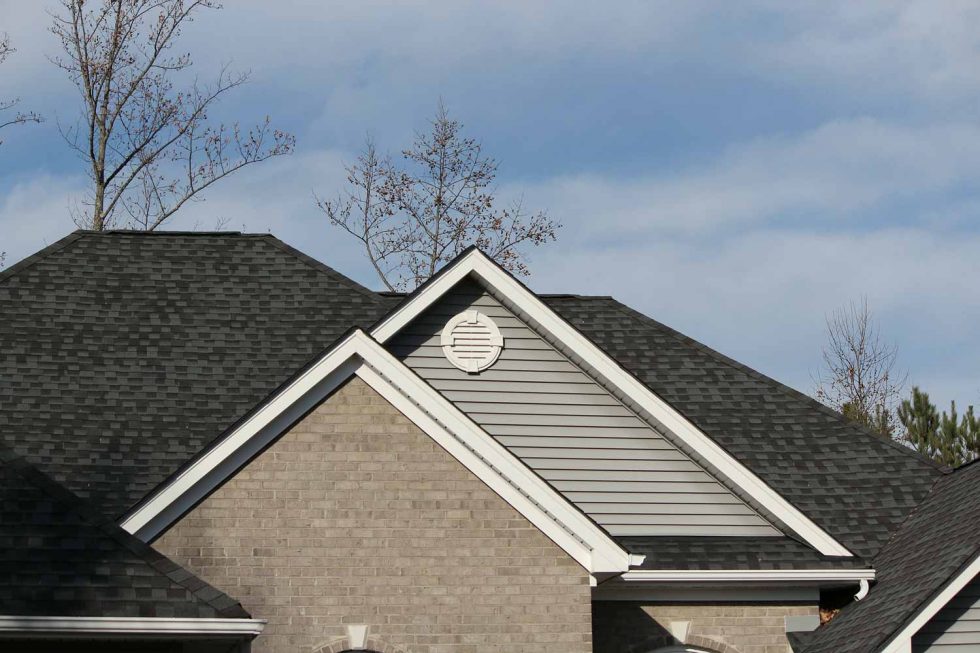
This page is about the shingle itself, not the roofing job in general. Two families of asphalt shingle cover almost everything going on a Summerbrooke roof today: 3-tab and architectural (also called laminated or dimensional). 3-tab is a single flat layer, uniform tab cutouts, lighter per square, and it’s been phased out by most major manufacturers in favor of architectural lines. Architectural shingles are two layers laminated together, which gives them a heavier profile, a randomized tab pattern that reads as more dimensional on the roof plane, and a higher wind rating than a comparable 3-tab product.
Brand and line matter as much as the tab style. We install lines from GAF, Owens Corning, and CertainTeed, and each manufacturer rates its architectural shingles for a specific wind speed under their own testing standard, with the number varying by product line, not by brand alone. We won’t quote you a wind rating figure here because the correct number depends on the exact shingle you choose and how the manufacturer’s installation instructions are followed on your deck, your fastening pattern, and your local wind exposure category. What we will tell you is that the work goes down to the manufacturer’s nailing schedule and the applicable Florida Building Code requirements for this jurisdiction, not to a shortcut pattern that voids the shingle warranty before it starts.
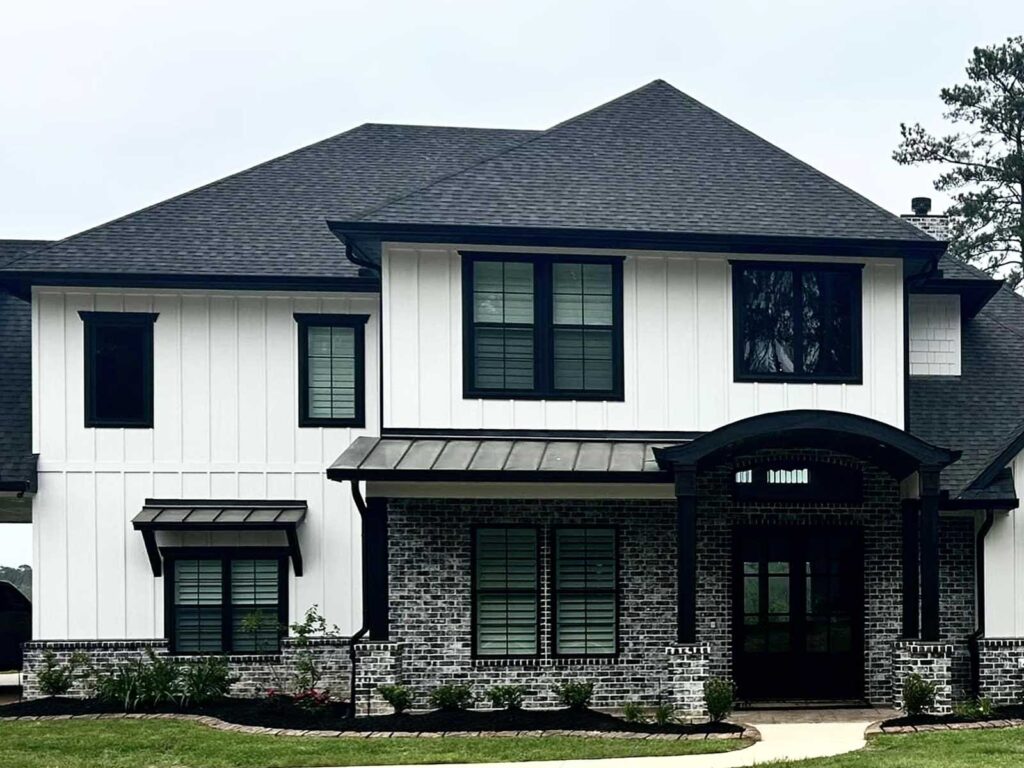
Other decisions that belong on this page: shingle color and how it reads against brick versus vinyl siding, algae-resistant granule treatments (worth discussing further down), and whether you’re re-roofing over an existing layer or tearing off to deck, which changes what profile options are even available to you.
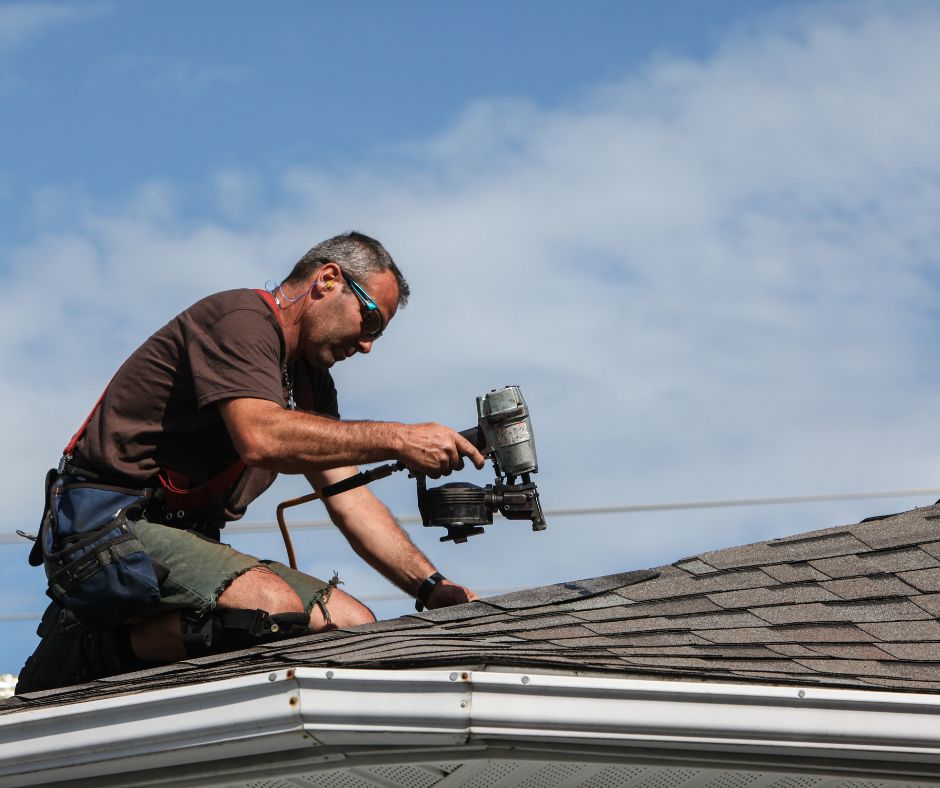
What Goes Under the Shingles
What Summerbrooke homes are dealing with
Summerbrooke sits in the northeast block of Summerbrooke, in the corridor where subdivision construction has largely replaced the older brick ranch stock you’d find closer to Midtown or Betton Hills. That means most of the roofs here are newer builds with moderate to steep pitches, engineered trusses, and roof decks that were never asked to carry the extra dead load of a second shingle layer, which is a real consideration if a prior roof was installed as an overlay rather than a tear-off. Newer construction also tends to run continuous ridge vents and soffit intake systems designed for a specific shingle profile, so swapping from 3-tab to architectural, or between manufacturer lines, isn’t purely cosmetic. It changes airflow assumptions at the ridge.
The tree canopy here is mixed pine and hardwood, and pine straw and needle drop are a factor on any roof with valleys or a lower-pitch section that collects debris instead of shedding it. That debris holds moisture against the shingle surface longer than open sun exposure would, which accelerates granule loss and gives algae a foothold, especially on north-facing slopes that stay shaded most of the day. Drainage and grade around these lots are generally built to modern subdivision standards, so ponding at the foundation isn’t the common failure point it can be in older parts of the county, but gutter capacity still has to match what the roof actually sheds during a heavy summer storm. If your section of Summerbrooke falls under an HOA, exterior work including shingle color and roof material typically needs sign-off before work starts, and that’s worth confirming with your HOA documents before you pick a product.
The Shingle Roofing in Summerbrooke FL Process
How the job runs
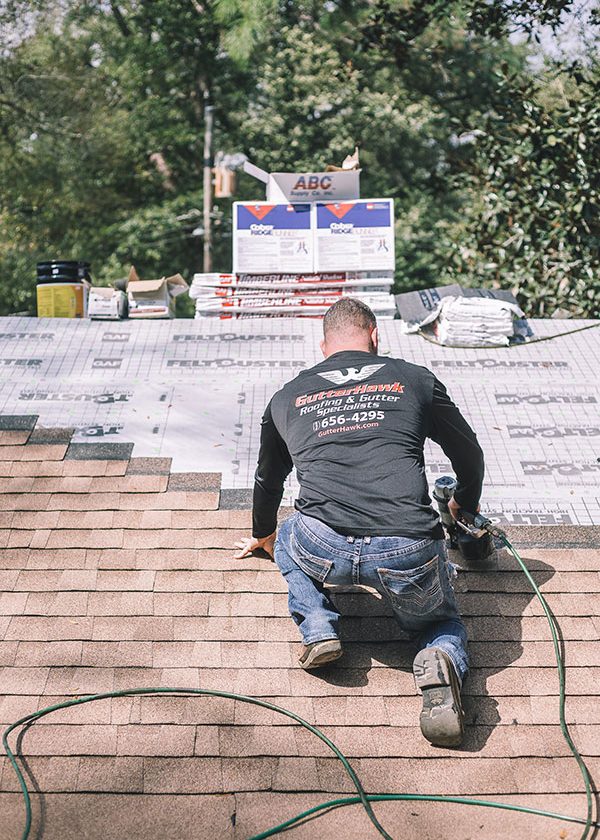
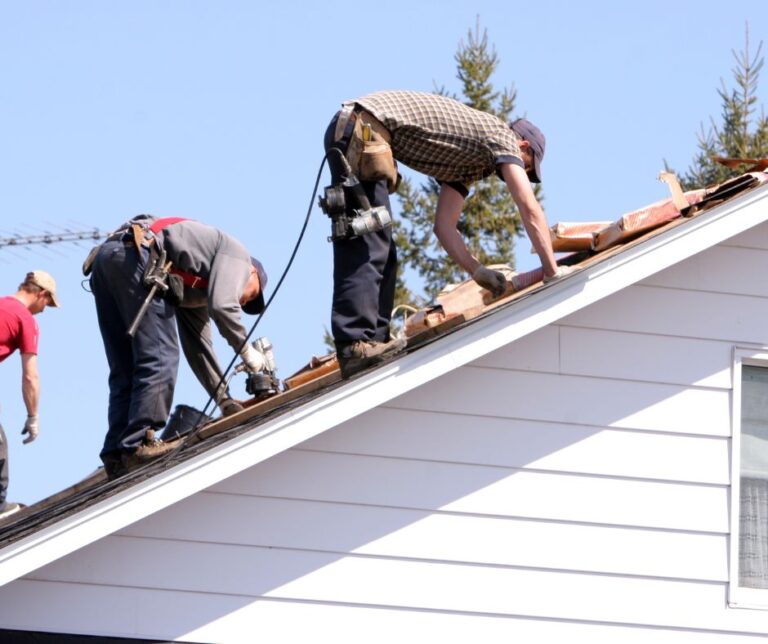
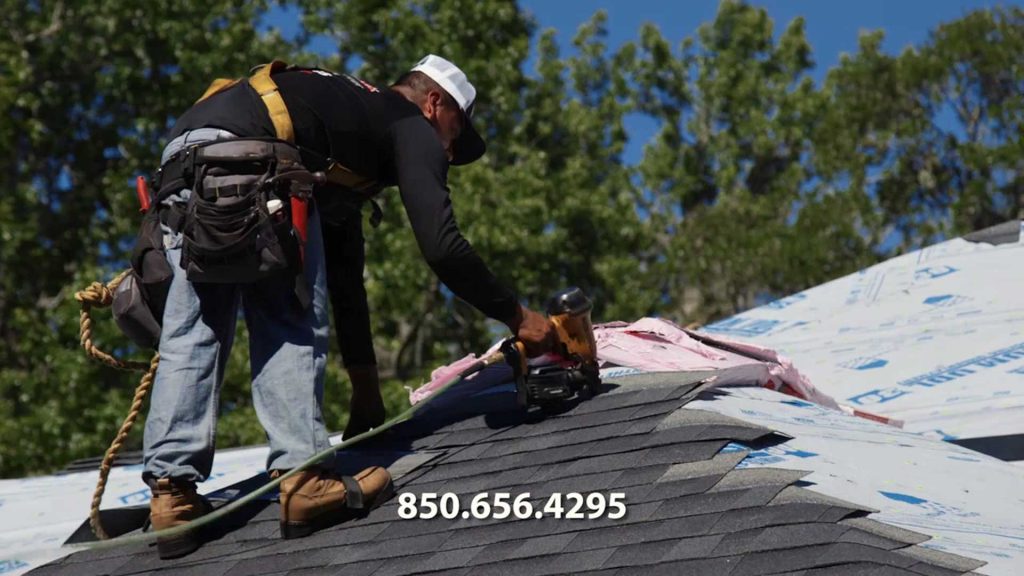
Day one starts with a deck inspection once tear-off begins, not before, because you can’t fully see what’s under the existing shingle layer until it’s off. The crew pulls the old material, checks the decking for soft spots, delamination, or nail pops, and replaces any bad sheathing before anything new goes down. From there it’s underlayment, drip edge, starter course, then the field shingles run course by course with the fastening pattern specified for that product line, followed by ridge cap and any vent boots or flashing details around penetrations.
You’ll need to clear vehicles from the driveway and move anything breakable off exterior walls and inside garage shelving, since tear-off debris does drop and vibration travels through the house structure while nailing is underway. Pets should be kept inside or offsite for the day. We haul debris as we go and do a magnetic sweep of the yard for nails at the end of the job, which matters more in Summerbrooke than in a downtown lot given the lawn space around most of these homes.
Signs Your Shingle Roof Is Near the End
- Curling and cupping — shingle edges lifting or the centres dishing. Once it is happening across whole slopes rather than a few pieces, the mat is finished.
- Bald patches — areas where the granules have gone and the asphalt underneath is exposed to direct sun.
- Granules by the handful — a few in the gutter is normal at any age. Enough to scoop out means the surface is breaking down.
- Leaks in more than one place — a single leak is a repair. Three leaks in three unrelated spots is a roof telling you something.
- Sagging along the ridge or between rafters — a structural signal, not a surface one, and worth looking at quickly.
- Age past twenty years — even a roof that looks acceptable is on borrowed time at that point in this climate.
What it costs
A shingle roof in Summerbrooke typically runs between {PRICE_LOW} and {PRICE_HIGH}, and the spread comes down to a handful of variables: square footage and roof pitch, whether it’s a tear-off or overlay, how much decking replacement is needed once we’re into it, the shingle line and color you choose, and any complexity from valleys, dormers, or multiple roof planes common in newer subdivision layouts. Architectural shingles cost more per square than 3-tab, but 3-tab is increasingly hard to source from major manufacturers in the profiles homeowners actually want. We’ll give you a written number after we’ve walked the roof, not before.
Shingle Roof Repair
Common questions
Shingle, Metal, or a Repair?
Shingle roofing is the sensible default: lower cost, fast installation, and plenty of life for most owners. Metal roofing costs two to three times as much and lasts twice as long, which suits people staying put long term. If your roof is under fifteen years old with a problem in one area, a repair is almost certainly the answer rather than either. We do all of it, so the recommendation is not tied to the job we would rather sell.
Get a Shingle Roof Quote
Whether you need one section fixed or the whole roof replaced, get a look at it before the next storm season rather than after. Call GutterHawk at 850-779-1081 for shingle roofing in Summerbrooke FL and we will tell you what shape it is in and what it needs.
Frequently Asked Questions
Q.1 How long do shingle roofs last in Summerbrooke?
Fifteen to twenty-five years for architectural shingles. Heavy shade and poor ventilation pull that down.
Q.2 Are algae-resistant shingles worth the extra?
In this climate, yes. They hold off the black streaking for years and cost only slightly more.
Q.3 Can new shingles go over the old ones?
Code sometimes allows it, but we advise against it. You cannot inspect decking you never uncovered.
Q.4 How long does a shingle roof replacement take?
Most homes are one to two days, weather permitting. Complex or large roofs take longer.
Q.5 Do I need to replace the whole roof for a leak?
Usually not. Isolated leaks are repairs. Widespread curling and granule loss are a different conversation.
Q.6 What wind rating should I look for?
Ask for the rating in writing on your quote. Architectural shingles rate considerably higher than three-tab.
Q.7 How much does shingle roofing in Summerbrooke FL cost?
It varies with size, pitch, and decking condition. We give a written price after measuring the roof.
Working With Us Is Easy
01.
Request Your Quote
Getting the process started is easy! Simply fill out our quick form or call us at 850-656-4295. One of our friendly staff members will get in touch to finalize the details.
02.
We Work On Your Estimate
One of our expert estimators will get to to work analyzing your job and crafting a proposal. Of course, we’re here to answer any questions you may have.
03.
GutterHawk Gets To Work!
Contact Us
Have questions about your roof? Do you need information on gutter maintenance plans? No matter the question, GutterHawk is here to help!