GutterHawk Roofing & Gutter Specialists


- About
- Roofing
- Gutters
- Areas Served
Killearn Estates
Killearn Acres
Bradfordville
Betton Hills
Lafayette Park
Southwood
Killearn Lakes Plantation
OX Bottom Manor
Summerbrooke
Golden Eagle
Foxcroft
Bull Run
Waverly Hills
Buck Lake Mahan
Piney-Z
Apalachee Ridge Estates
Myers Park
Maclay
Bobbin Brook
Live Oak Plantation
Timberlane
Woodgate
Lake Jackson
Meridian Hills
Midtown
Downtown Tallahassee
Havana
- Financing
- Testimonials
- Recent Projects
- About
- Roofing
- Gutters
- Areas Served
Killearn Estates
Killearn Acres
Bradfordville
Betton Hills
Lafayette Park
Southwood
Killearn Lakes Plantation
OX Bottom Manor
Summerbrooke
Golden Eagle
Foxcroft
Bull Run
Waverly Hills
Buck Lake Mahan
Piney-Z
Apalachee Ridge Estates
Myers Park
Maclay
Bobbin Brook
Live Oak Plantation
Timberlane
Woodgate
Lake Jackson
Meridian Hills
Midtown
Downtown Tallahassee
Havana
- Financing
- Testimonials
- Recent Projects
Metal Roofing in Midtown, FL
A lot of Midtown roofs sit close to the street and close to each other, which means when a shingle roof starts to go, the whole block sees it before you do. Metal changes that calculus, especially on the low-slope additions and porch roofs that show up on the older lots along the Monroe corridor.
Types of Metal Roofing We Install
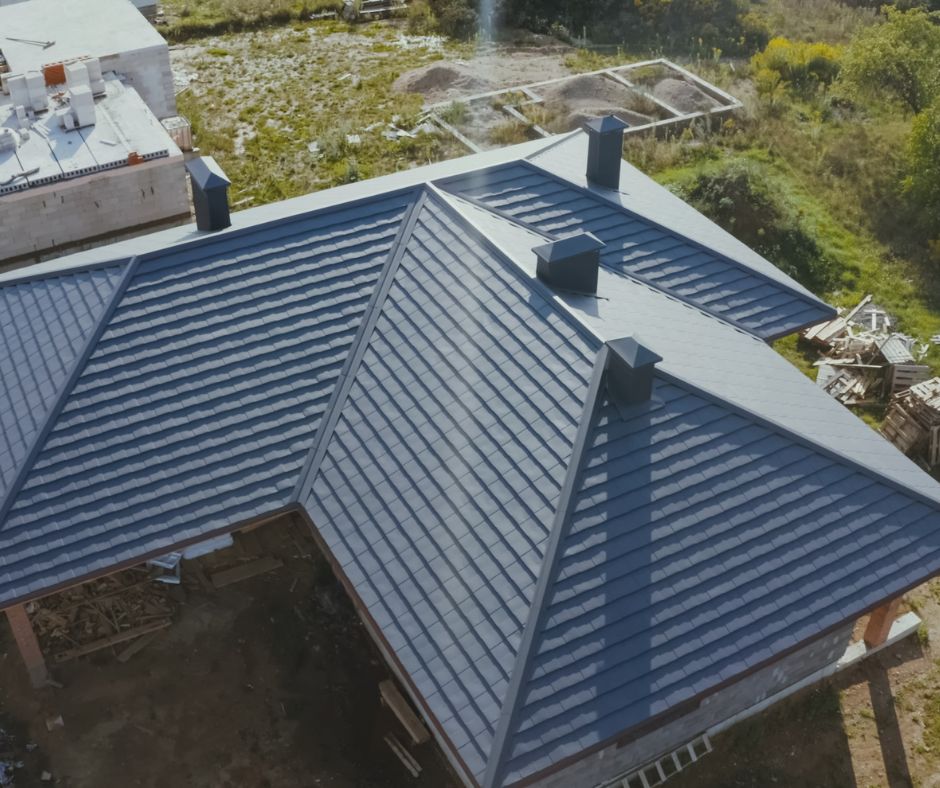
- Standing seam — panels joined by raised seams with the fasteners hidden underneath. No exposed screws means nothing to back out or leak. This is the premium option and the one we recommend most often.
- 5V crimp — the classic Florida panel, fastened through the face with exposed screws and neoprene washers. Less expensive than standing seam, and a long-standing look on older homes here.
- Corrugated and R-panel — ribbed exposed-fastener panels, common on outbuildings, workshops, and agricultural structures, and the most economical way to cover a large simple roof.
- Metal shingles and tiles — stamped panels that read as shingle or tile from the street while performing like metal. Useful where an HOA has opinions about appearance.
- Low-slope metal systems — for roofs too shallow for standard panels, using seam and flashing details built for the pitch.
The Metal Roofing in Midtown FL Process
Metal Roofing in Midtown
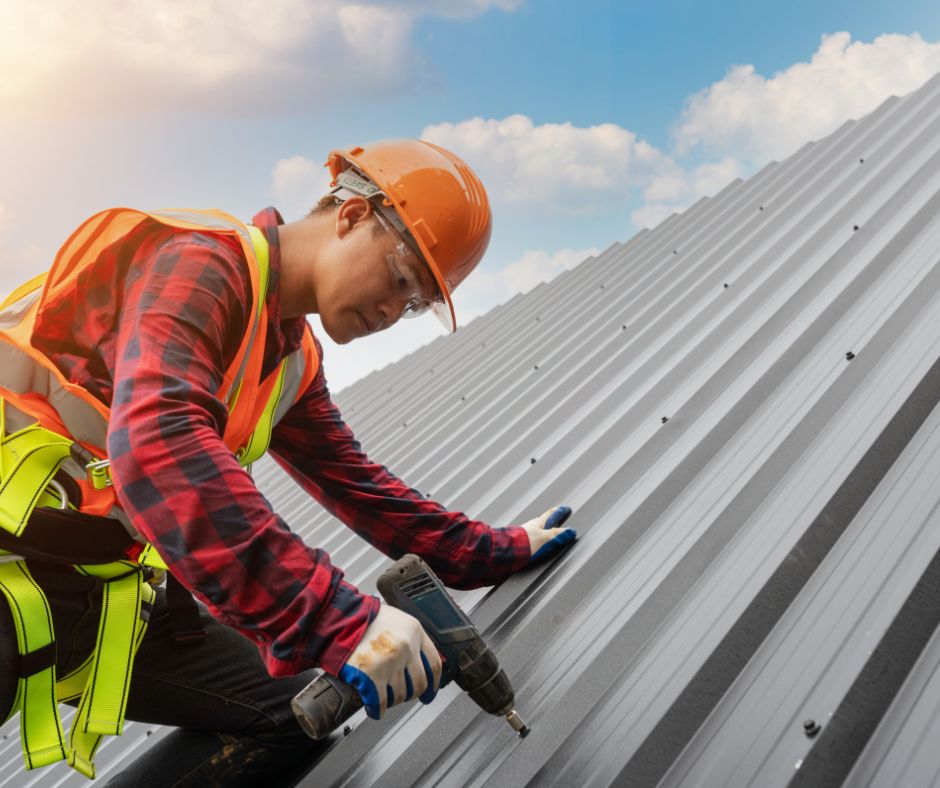
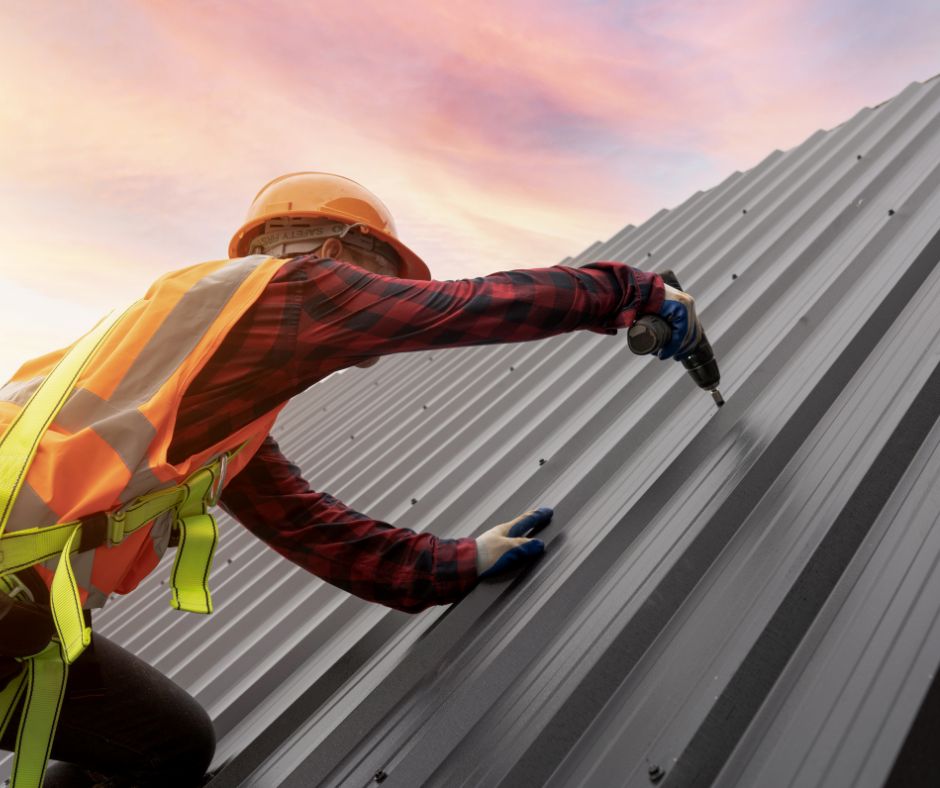
Metal roofing here means one of two things: standing seam panels with concealed fasteners running vertically up the slope, or exposed-fastener panel systems for garages, additions, and outbuildings where cost matters more than a fully clean fastener line. Standing seam is what we recommend on the primary roof plane of a house. The seams interlock and the panel expands and contracts underneath without pulling on a screw, so you don’t get the backed-out fasteners and the rust streaks that show up on cheaper panel jobs after a few summers.
Panel profile choice depends on what you’re covering. A 5V or R-panel reads more traditional and works fine on a garage or a shed roof. A 1.5-inch or 2-inch standing seam panel is what goes on a main roof where you want a flat, tight line and better wind performance at the seams. We install underlayment rated for high heat under metal, not standard felt, because a metal roof runs hotter than shingle in direct Florida sun and felt breaks down faster underneath it.
Wind rating and fastening pattern are engineered to the manufacturer’s tested assembly and installed to the code cycle in effect for Leon County at time of permit. We don’t quote you a wind uplift number off the top of our head because that number is tied to the specific panel, gauge, clip spacing, and deck condition on your house, not to metal roofing in general.
Metal Roof Repair and Maintenance
What Midtown homes are dealing with
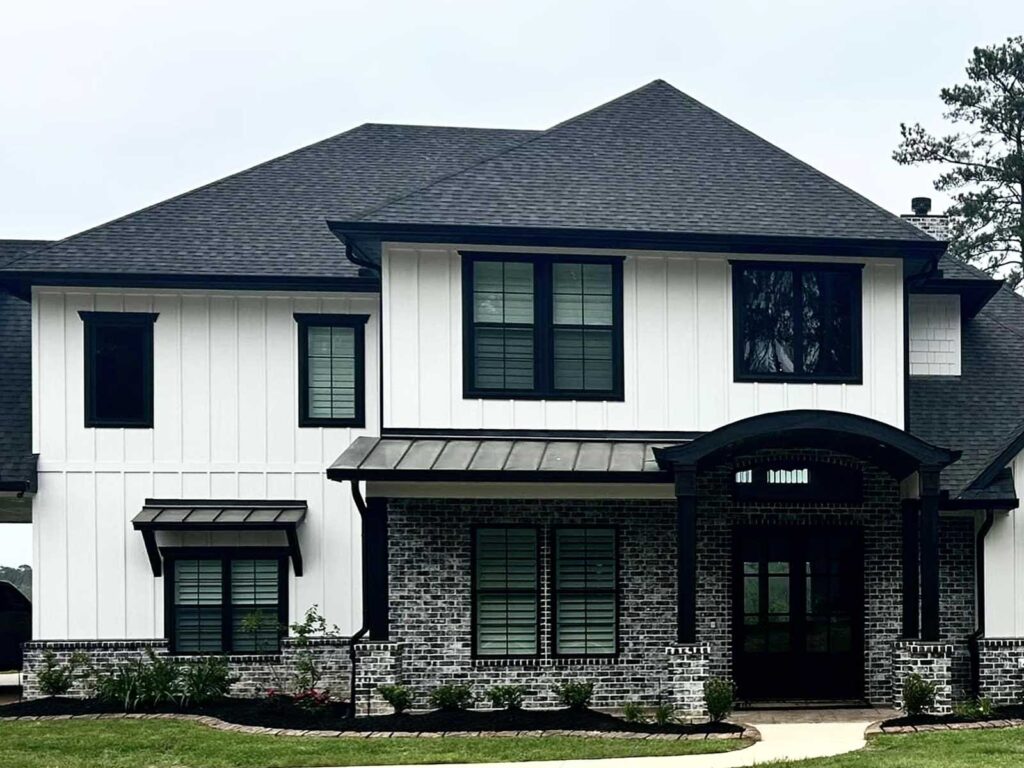
Midtown’s housing stock is a mix. You’ve got brick ranches from the 1950s and 60s with low-pitch hip roofs, and closer to the corridor itself you’ve got newer infill and multifamily construction with steeper, simpler gable rooflines. The older ranches were mostly built for asphalt shingle or built-up roofing on the flatter sections, which means when we go to metal on one of these, we’re often dealing with a deck that needs a real look before panel goes down, not just a quick nail-check.
Tree canopy is real here but patchier than in the deep residential neighbourhoods further out. Where there’s mature oak or pine cover over a roof, you get the same story as everywhere else in Midtown: needle and leaf litter builds up in valleys and against any parapet or wall transition, and standing seam sheds it better than shingle does because there’s no granule surface for debris to grab onto. Drainage on these older lots tends to run toward the street rather than a rear yard, so gutter placement and downspout routing matter more here than on a typical suburban lot with a big backyard to daylight into. Midtown doesn’t have the kind of blanket architectural review board you’d find in a planned subdivision, but individual properties can carry their own deed restrictions or sit inside a historic or overlay district depending on exactly where the lot falls, so we check that before we finalize a panel color or profile, not after.
What Metal Roofing Costs in Midtown
How the job runs
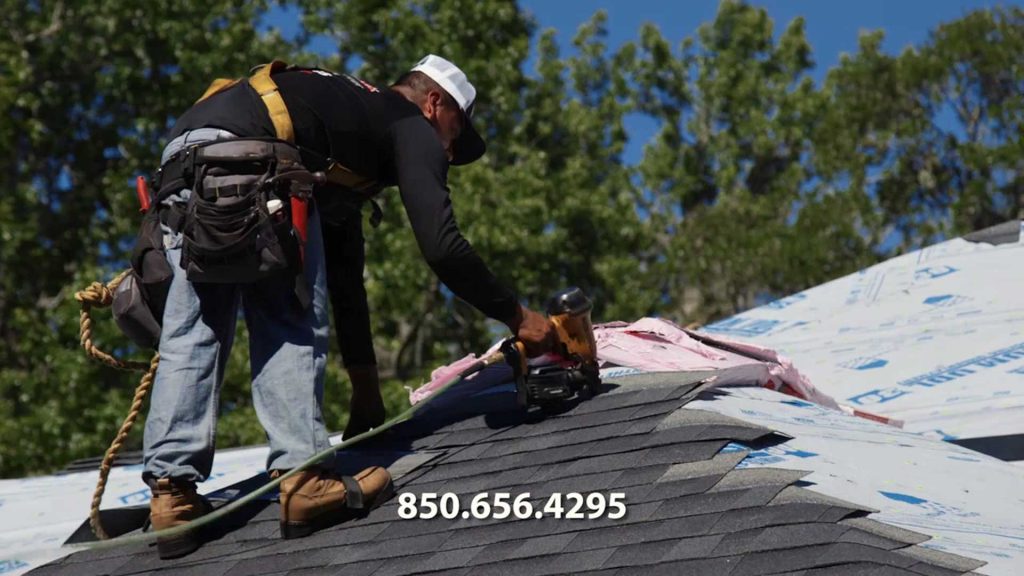
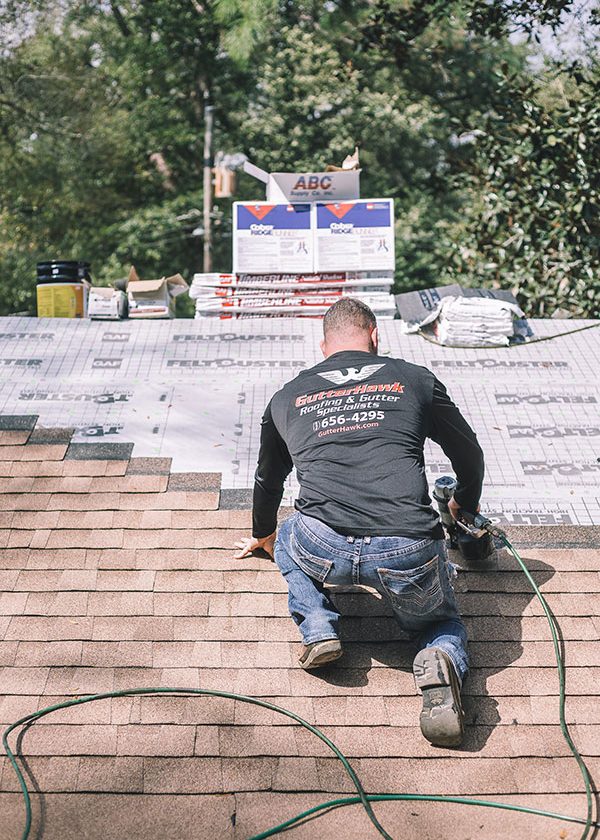
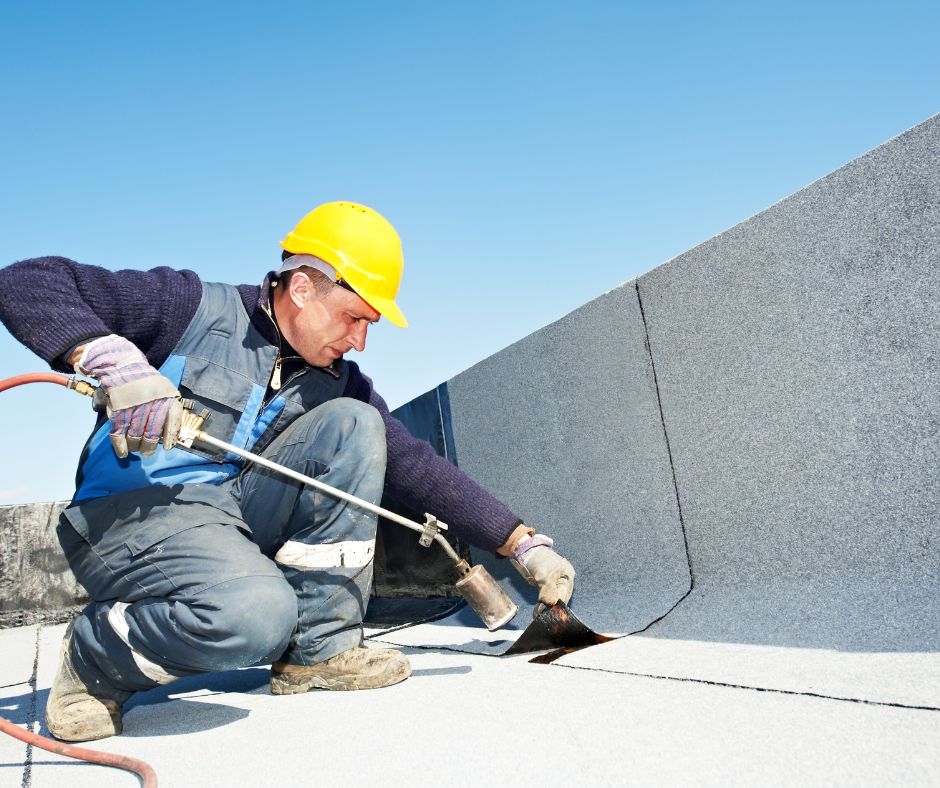
Day one is tear-off and deck inspection. We strip the old roofing down to the deck, not over it, because metal needs a sound, flat substrate to lay against or you get oil-canning and premature wear at the panel edges. Any rotted decking or fascia gets flagged and repaired before a single panel goes on. If your house has skip sheathing under old shingle, which shows up sometimes on the older Midtown builds, that gets addressed as part of the deck prep, not as a change order surprise at the end.
Underlayment goes down next, then panels run from eave to ridge with the trim, flashing, and closures installed as we go, not tacked on afterward. Ridge caps, valley flashing, and penetrations for vents and stacks are the parts that separate a metal roof that lasts from one that leaks at year three, so we spend real time there. On a typical Midtown house this is a multi-day job, longer if the deck needs rebuilding or if summer afternoon storms push us to a partial-day schedule to keep the deck dry overnight.
Your part is simple: clear vehicles from the driveway and street frontage, let us know about any interior finishes directly under the work area we should protect, and expect noise and foot traffic on the roof for the duration. We handle the permit and the county inspection.
Metal, Shingle, or Something Else?
What it costs
Metal roofing on a Midtown house typically runs {PRICE_LOW} to {PRICE_HIGH}, and standing seam sits at the higher end of that range compared to exposed-fastener panel. What moves the number: the condition of the deck once we open it up, roof pitch and how many hips, valleys, and penetrations are on the plane, panel gauge and finish, and whether we’re re-roofing a simple gable or a more complex ranch roofline with multiple transitions. A straightforward garage re-roof in exposed-fastener panel will land well under a full standing seam job on the main house. We give you a firm number after the deck inspection, not before.
Why Homeowners Choose GutterHawk
Common questions
Serving Midtown From Two Locations
GutterHawk works out of two Midtown locations, Shamrock and North Monroe, which keeps scheduling short across the city and out into Leon County. Both teams handle metal roofing in Midtown FL to the same standard. We cover Killearn, Killearn Lakes, Betton Hills, Midtown, Downtown, Myers Park, Maclay, Bobbin Brook, Live Oak Plantation, Timberlane, Woodgate, Foxcroft, Bull Run, Apalachee Ridge, Ox Bottom, Golden Eagle, Southwood, Buck Lake, and Havana.
Get a Metal Roof Quote
If you are weighing metal against another shingle roof, get real numbers for both before deciding. Call GutterHawk at 850-779-1081 for metal roofing in Midtown FL and we will measure the roof, explain which system fits it, and price it properly.
Frequently Asked Questions
Q.1 How long does a metal roof last here?
Forty years and up for a well-installed system, against fifteen to twenty for asphalt shingles in this humidity.
Q.2 Is a metal roof loud in the rain?
Much less than people expect. Decking and underlayment absorb most of it. Open-framed structures are a different story.
Q.3 Can metal go over my existing shingles?
Sometimes, where code and decking condition allow. We check rather than assume, since it affects both price and warranty.
Q.4 Will a metal roof lower my insurance?
It can, depending on your carrier and the wind rating. Ask your insurer directly, and we will supply the documentation.
Q.5 Does a metal roof attract lightning?
No. Metal does not attract strikes, and it is non-combustible, which is a point in its favour rather than against.
Q.6 Do you repair metal roofs you did not install?
Yes. Fastener replacement, panel work, and seam or flashing repairs on existing metal roofs.
Q.7 How much does metal roofing in Midtown FL cost?
Two to three times an architectural shingle roof, depending on system and complexity. We quote in writing after measuring.
Working With Us Is Easy
01.
Request Your Quote
Getting the process started is easy! Simply fill out our quick form or call us at 850-656-4295. One of our friendly staff members will get in touch to finalize the details.
02.
We Work On Your Estimate
One of our expert estimators will get to to work analyzing your job and crafting a proposal. Of course, we’re here to answer any questions you may have.
03.
GutterHawk Gets To Work!
Contact Us
Have questions about your roof? Do you need information on gutter maintenance plans? No matter the question, GutterHawk is here to help!