GutterHawk Roofing & Gutter Specialists


- About
- Roofing
- Gutters
- Areas Served
Killearn Estates
Killearn Acres
Bradfordville
Betton Hills
Lafayette Park
Southwood
Killearn Lakes Plantation
OX Bottom Manor
Summerbrooke
Golden Eagle
Foxcroft
Bull Run
Waverly Hills
Buck Lake Mahan
Piney-Z
Apalachee Ridge Estates
Myers Park
Maclay
Bobbin Brook
Live Oak Plantation
Timberlane
Woodgate
Lake Jackson
Meridian Hills
Midtown
Downtown Tallahassee
Havana
- Financing
- Testimonials
- Recent Projects
- About
- Roofing
- Gutters
- Areas Served
Killearn Estates
Killearn Acres
Bradfordville
Betton Hills
Lafayette Park
Southwood
Killearn Lakes Plantation
OX Bottom Manor
Summerbrooke
Golden Eagle
Foxcroft
Bull Run
Waverly Hills
Buck Lake Mahan
Piney-Z
Apalachee Ridge Estates
Myers Park
Maclay
Bobbin Brook
Live Oak Plantation
Timberlane
Woodgate
Lake Jackson
Meridian Hills
Midtown
Downtown Tallahassee
Havana
- Financing
- Testimonials
- Recent Projects
Storm Damage Roof Repair in Timberlane, FL
A single afternoon cell rolling off the pines along Timberlane Road can strip shingles, lift ridge caps, and drive water under flashing in the time it takes to lose power and get it back. If you’re standing in a driveway off Timberlane looking at granules in the gutter line and a soft spot on the ceiling below the attic, you already know this isn’t a maintenance call. It’s a storm claim waiting to happen, and how the damage gets documented in the next few days matters as much as how it gets repaired.
What Storm Damage Looks Like
- Missing and lifted shingles — the obvious one. Wind gets under an edge, breaks the factory seal, and peels the shingle back or takes it off entirely.
- Creased shingles — blown back and laid down again. From the ground it looks fine. The crease has broken the mat, and it will leak within a year.
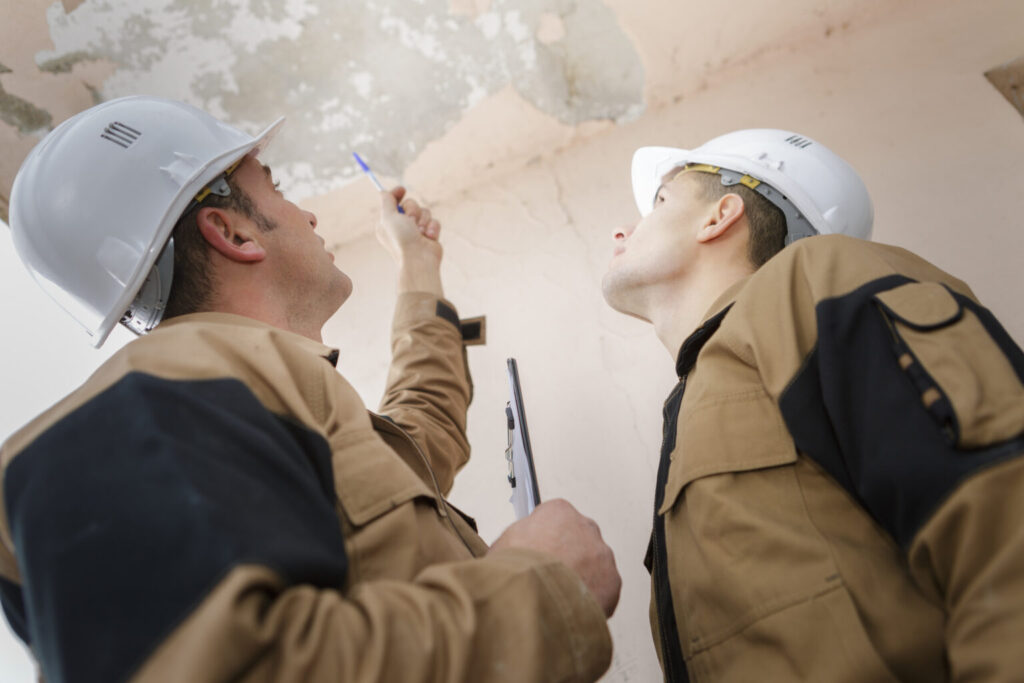
- Hail bruising — soft dents with granule loss and no visible tear. This is the damage homeowners miss and adjusters look for first.
- Displaced flashing — metal lifted at a chimney, sidewall, or skylight, leaving a direct route into the structure.
- Impact damage — limbs and debris punching through shingles into the decking, common right across the tree canopy neighbourhoods.
- Gutter and fascia damage — sections pulled loose, downspouts detached, and fascia split where the gutter was torn away.
- Ridge and vent damage — ridge caps stripped and turbine or box vents knocked out of position, both of which let water straight in.
Emergency Response and Tarping
Storm Damage Roof Repair in Timberlane
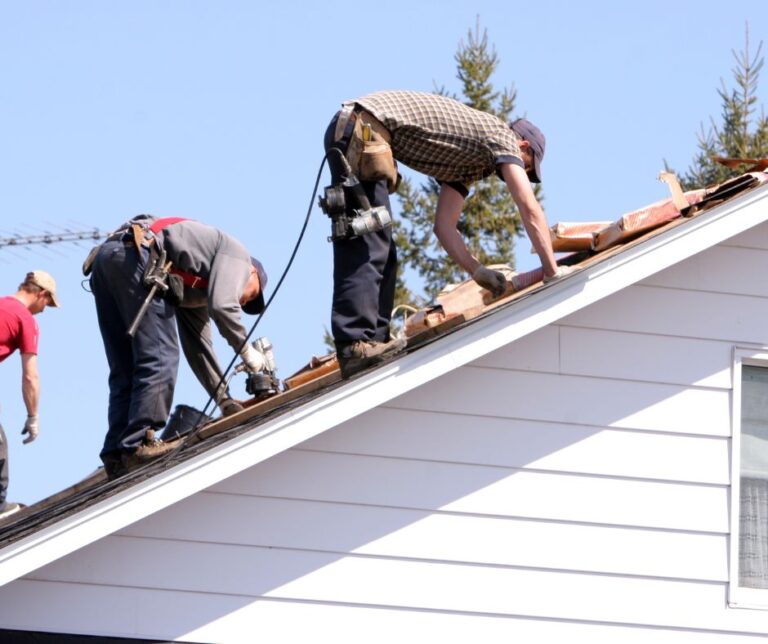
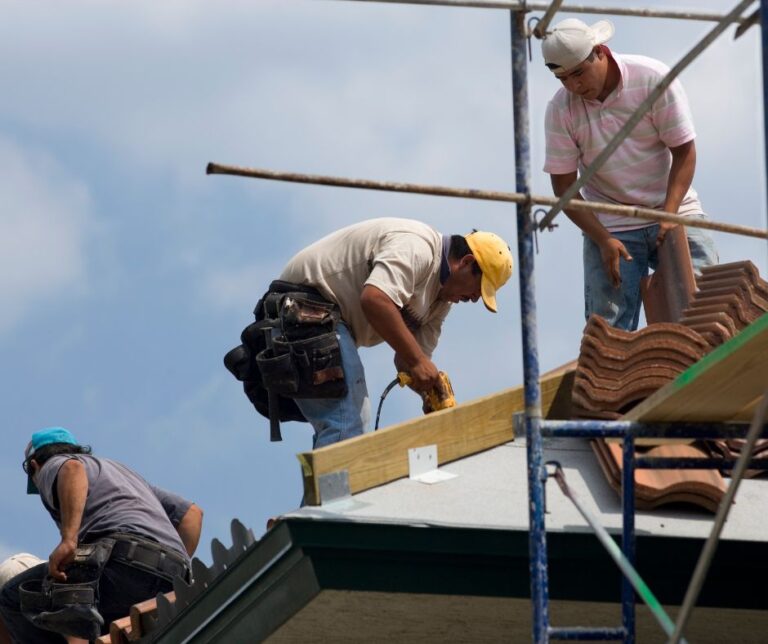
This is repair work tied to a specific weather event: straight-line wind, a hail cell, a downed limb, or the kind of wind-driven rain that finds every gap in flashing that a roof was otherwise handling fine. GutterHawk comes out, gets on the roof, and documents what the storm did before anything is patched or covered. That documentation is what your insurance adjuster works from, so we photograph lifted shingles, cracked pipe boots, bruised or fractured hail hits, exposed underlayment, and any interior water tracking that ties back to the roof plane involved.
We repair to the point that matches the damage. Sometimes that’s a section of shingles and a run of flashing. Sometimes the wind event was bad enough that a full slope, or the whole roof, needs to come off. We don’t push a bigger scope than the damage supports, and we don’t shrink the scope to make a number look better on paper. We work directly with what the adjuster’s inspection turns up and we’re straightforward with you about where our findings and theirs line up or don’t. We’re not going to tell you what your policy covers or promise a claim outcome. That’s between you, your carrier, and your policy language. What we control is an accurate, well-documented repair scoped and built to applicable Florida Building Code and Leon County permitting requirements.
Storm Damage and Your Insurance Claim
What Timberlane homes are dealing with
Timberlane sits north-central, off Timberlane Road, in a stretch of Leon County with a mix of build eras rather than one uniform subdivision style. That means roof pitch, decking, and material vary house to house more than in a tract-built neighborhood where every home went up in the same two years. Older stock in this pocket tends toward moderate-pitch roofs with dimensional or three-tab shingles well into their service life, which matters a lot after a hail or wind event: a roof that’s already past mid-life has less reserve capacity to shed damage without the underlayment and decking taking a hit too.
The tree canopy here is the other half of the story. Mature pines and hardwoods overhang a lot of these lots, and a summer storm doesn’t just drop rain, it drops limbs, pine straw, and enough debris to dam a valley or clog a downspout mid-storm, which backs water up under the shingle edge right when the roof needs to be shedding it fastest. Grading and drainage around these homes was mostly designed for normal Timberlane rainfall, not for the volume a tropical system or a stalled summer cell can put down in an hour, so ponding at the foundation after a bad storm isn’t unusual even when the roof itself held up fine. We’re not aware of an HOA architectural review process governing roof work in this specific area, but if your property is under one, check your covenants before work starts, since some require notification or specific material approval even for storm repairs.
The Storm Damage Roof Repair in Timberlane FL Process
How the job runs
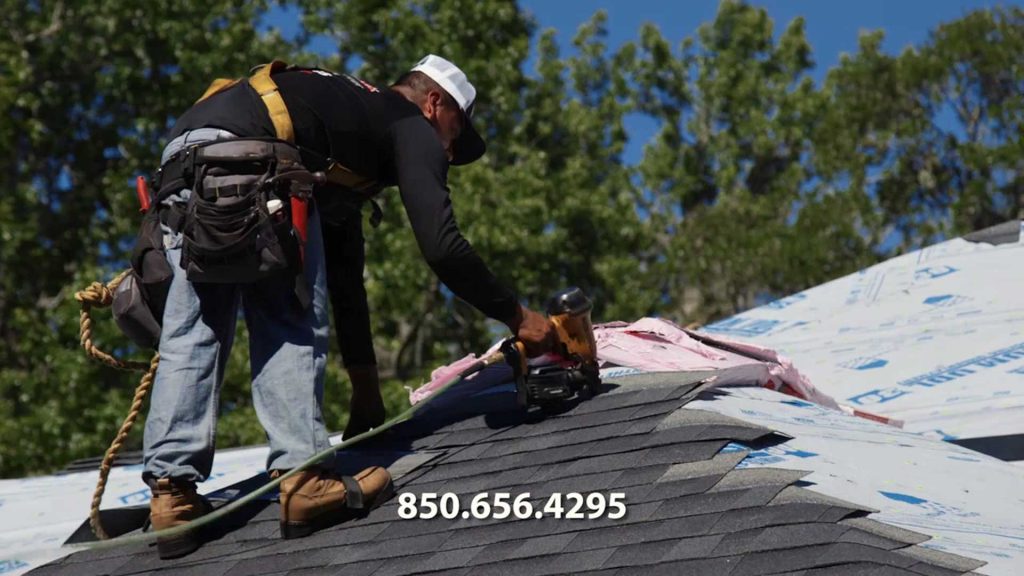
Day one is inspection and documentation, not repair. We get on the roof, photograph everything tied to the storm event, check the attic from the inside for water intrusion or staining, and give you a written scope. If you’ve already filed a claim, we can meet the adjuster on site or work from their report. If you haven’t filed yet, we can hand you documentation to take to your carrier, but the filing and the claim decision are yours to make.
Once scope is agreed, we tarp anything actively leaking the same visit if conditions allow, because a covered roof that’s still exposed is the fastest way to turn a shingle repair into a decking replacement. Material and permitting lead time depends on scope: a shingle and flashing repair might be a single-day job once materials are on hand, while a full slope or full roof after a bad hail event needs permitting through Leon County and a materials order that can take longer during peak hurricane season demand. What we need from you is access to the property, a decision on scope once we’ve walked you through it, and any information from your adjuster or carrier that affects what gets approved.
What Storm Damage Roof Repair Costs
What it costs
Storm repair pricing on a Timberlane roof runs from {PRICE_LOW} for a contained repair, like a section of shingles, a flashing run, or a single damaged slope, up to {PRICE_HIGH} for a full roof replacement after a severe hail or wind event. What moves the number: how much of the deck underneath took water damage once shingles are pulled back, the pitch and total square footage of the roof, whether flashing around chimneys or valleys needs to be rebuilt rather than patched, and how much of the job your insurance settlement is applying to. We give you a written number before work starts, and we don’t pad it with a bigger scope than the storm actually caused.
Storm Damage, General Repair, or a Leak?
Common questions
- See FAQ section below
Serving Timberlane From Two Locations
GutterHawk works out of two Timberlane locations, Shamrock and North Monroe, which keeps response times short across the city when the whole city is calling at once. Both teams handle storm damage roof repair in Timberlane FL the same way. We cover Killearn, Killearn Lakes, Betton Hills, Midtown, Downtown, Myers Park, Maclay, Bobbin Brook, Live Oak Plantation, Timberlane, Woodgate, Foxcroft, Bull Run, Apalachee Ridge, Ox Bottom, Golden Eagle, Southwood, Buck Lake, and Havana.
Get Your Roof Assessed
If a storm has been through, get the roof looked at before the next one arrives and before your reporting window closes. Call GutterHawk at 850-779-1081 for storm damage roof repair in Timberlane FL. We will make it safe, document what happened, and put it right.
Frequently Asked Questions
Q.1 How soon after a storm should I have the roof checked?
As soon as it is safe. Claims have reporting deadlines and early documentation is far easier to support.
Q.2 Can you tarp my roof today?
Usually yes, if conditions allow. Active water intrusion gets priority over everything else on the schedule.
Q.3 Will you meet my insurance adjuster?
Yes. If the adjuster wants to walk the roof with us, we will be there.
Q.4 My roof looks fine from the ground. Should I still get it checked?
Yes. Creased shingles and hail bruising are close to invisible from below and both lead to leaks later.
Q.5 Do you handle gutter and fascia damage too?
Yes. Storms usually take gutters and fascia along with the roof, and we repair all of it.
Q.6 How much does storm damage roof repair in Timberlane FL cost?
It depends entirely on the extent. We give you a written scope and price after assessing the roof.
Q.7 Do you use out-of-town crews after big storms?
No. Our crews are local, which is why we are still here when a follow-up is needed months later.
Working With Us Is Easy
01.
Request Your Quote
Getting the process started is easy! Simply fill out our quick form or call us at 850-656-4295. One of our friendly staff members will get in touch to finalize the details.
02.
We Work On Your Estimate
One of our expert estimators will get to to work analyzing your job and crafting a proposal. Of course, we’re here to answer any questions you may have.
03.
GutterHawk Gets To Work!
Contact Us
Have questions about your roof? Do you need information on gutter maintenance plans? No matter the question, GutterHawk is here to help!