GutterHawk Roofing & Gutter Specialists


- About
- Roofing
- Gutters
- Areas Served
Killearn Estates
Killearn Acres
Bradfordville
Betton Hills
Lafayette Park
Southwood
Killearn Lakes Plantation
OX Bottom Manor
Summerbrooke
Golden Eagle
Foxcroft
Bull Run
Waverly Hills
Buck Lake Mahan
Piney-Z
Apalachee Ridge Estates
Myers Park
Maclay
Bobbin Brook
Live Oak Plantation
Timberlane
Woodgate
Lake Jackson
Meridian Hills
Midtown
Downtown Tallahassee
Havana
- Financing
- Testimonials
- Recent Projects
- About
- Roofing
- Gutters
- Areas Served
Killearn Estates
Killearn Acres
Bradfordville
Betton Hills
Lafayette Park
Southwood
Killearn Lakes Plantation
OX Bottom Manor
Summerbrooke
Golden Eagle
Foxcroft
Bull Run
Waverly Hills
Buck Lake Mahan
Piney-Z
Apalachee Ridge Estates
Myers Park
Maclay
Bobbin Brook
Live Oak Plantation
Timberlane
Woodgate
Lake Jackson
Meridian Hills
Midtown
Downtown Tallahassee
Havana
- Financing
- Testimonials
- Recent Projects
Siding Installation in Timberlane, FL
Along Timberlane Road, the tree canopy runs tight against a lot of rooflines, and that same canopy pushes moisture and shade onto exterior walls that never fully dry between summer storms. On the brick ranch stock in this part of north-central Timberlane, the original siding on gable ends and additions is often past the point where a repair patch is worth the labor.
Siding Materials We Install
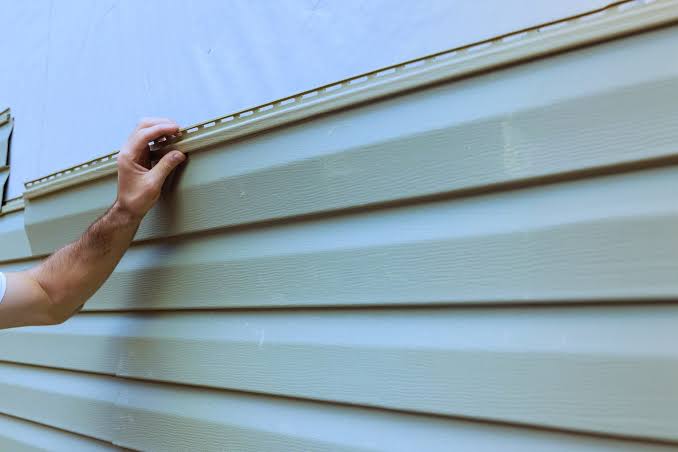
- Vinyl — the most common choice. Low cost, no painting, wide colour range, and it will not rot. Quality varies enormously by gauge, and thin vinyl warps in Florida sun.
- Insulated vinyl — vinyl with a foam backing that adds rigidity, cuts noise, and improves the wall assembly slightly. Costs more, dents less.
- Fiber cement — the premium option. Heavy, dimensionally stable, holds paint well, resists impact and pests, and handles humidity far better than wood.
- Board and batten — vertical profile available in both vinyl and fiber cement, common on farmhouse-style and modern builds.
- Shake and shingle profiles — used on gables and accent areas rather than whole houses, where a texture change breaks up a large elevation.
- Soffit and trim — the pieces that finish the job. Vented soffit matters for attic airflow, and trim is where water gets in when it is done badly.
What Goes Behind the Siding
Siding Installation in Timberlane
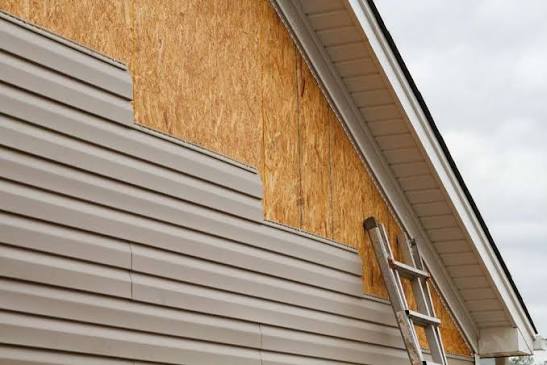
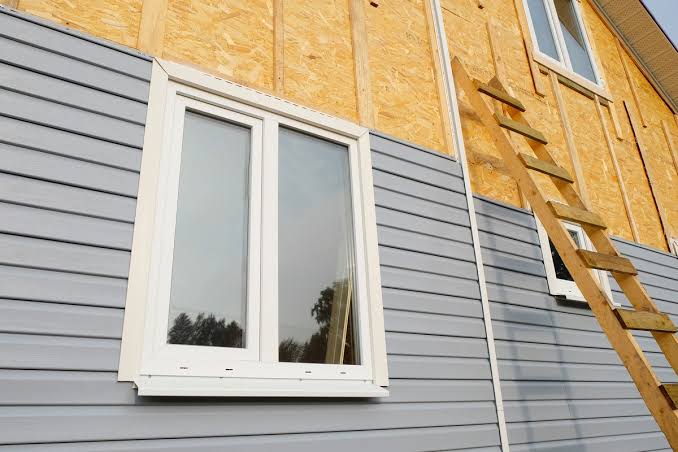
This page covers full siding replacement, not spot repair and not a recoat. When a wall section has soaked panels, warped boards, or siding that’s pulled loose from the sheathing, patching it buys a season, not a fix. Full replacement means stripping the wall down to the sheathing, checking what’s underneath, and installing new siding material front to back on the affected elevation or the whole house.
GutterHawk installs fiber cement, vinyl, and engineered wood siding depending on what the home needs and what the homeowner wants to maintain long-term. We check the sheathing for rot before anything new goes up, because siding installed over compromised wood fails again within a few years regardless of the product on top. If we find rot, that gets addressed as part of the job, not left for later.
Vinyl or Fiber Cement?
What Timberlane homes are dealing with
Timberlane’s housing runs mostly brick ranch construction from the 1950s through 1970s, with low-to-moderate roof pitches and asphalt shingle roofing that’s typical for the era. Brick veneer covers the bulk of most exteriors, but gable ends, additions, carports converted to living space, and rear extensions frequently carry wood or early vinyl siding that wasn’t built to the same standard as the brick it’s attached to. That siding is usually the first thing to show wear, and it’s often the reason a homeowner calls in the first place.
The tree canopy here is heavy, and it drops more than leaves. Pine needles and oak debris collect in wall corners and behind downspouts, holding moisture against siding seams long after a storm has passed. Grading on some of these older lots was never revised as landscaping matured, so runoff sheets toward foundation walls instead of away from them, which keeps lower siding courses wet more of the year than they should be. We haven’t found HOA-governed exterior restrictions tied specifically to this stretch of Timberlane, so material choice on most jobs here comes down to the homeowner’s budget and maintenance preference rather than a covenant.
The Siding Installation in Timberlane FL Process
How the job runs
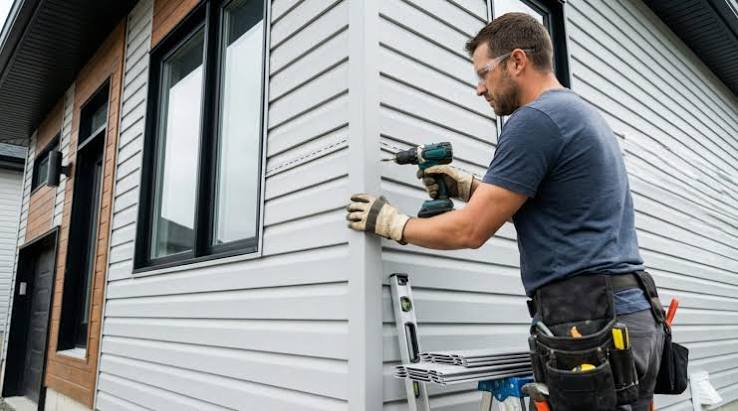
Day one starts with a walkaround to confirm scope, mark any sections where rot has spread further than what’s visible from the ground, and stage material and equipment where it won’t block driveways or damage landscaping. Crews remove the old siding in sections rather than stripping the whole wall at once, which keeps the house weather-protected if a summer storm rolls in mid-job, and this matters more in Timberlane’s storm pattern than in a lot of other parts of the county.
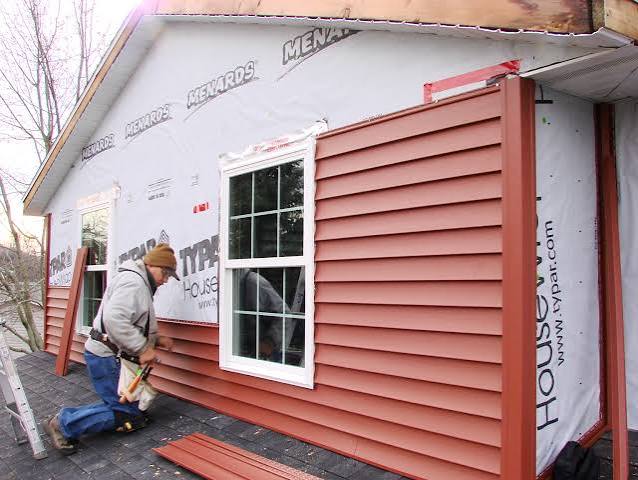
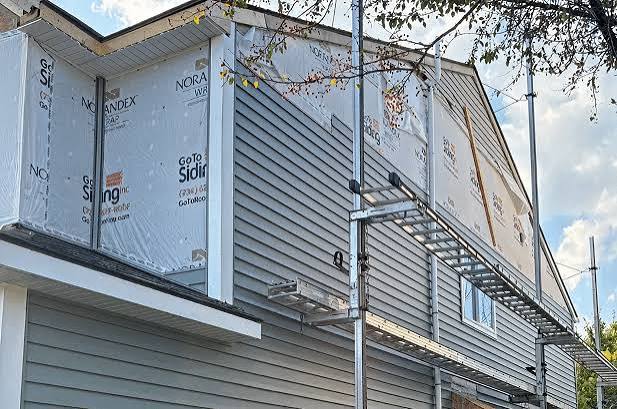
Once a section is open, we inspect the sheathing and framing, repair or replace any wood that’s soft or discolored, and install house wrap or building paper before the new siding goes on. Trim, corners, and flashing around windows and doors get done as part of the same pass, not as an afterthought. The homeowner’s job during this is mostly staying clear of the work zone and moving vehicles or outdoor items away from the walls we’re working on. We keep the property walkable and clean up debris at the end of each day rather than leaving it to pile up.
Moisture, Mould, and Why Walls Fail Here
What it costs
Siding replacement in Timberlane typically runs between {PRICE_LOW} and {PRICE_HIGH}, and the spread comes down to material choice, how much of the home is being sided, and what we find once the old siding comes off. Fiber cement costs more upfront than vinyl but holds up better against the moisture load this canopy produces. A job that turns up rotted sheathing behind the old siding costs more than one that doesn’t, because that wood gets replaced before anything new goes up, not covered over. We give a firm number after the walkaround, not before.
Wind and Storm Considerations
Common questions
Siding, Fascia and Soffit, or Wood Rot?
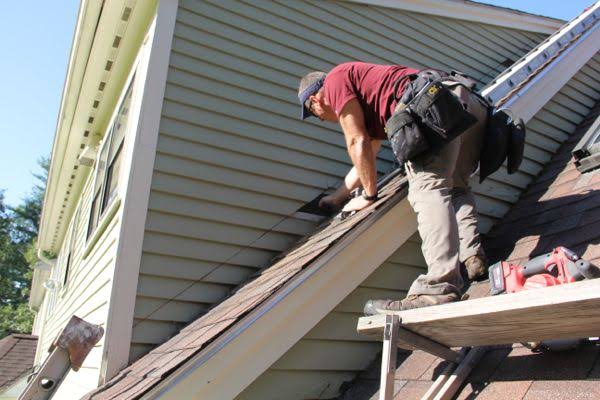
Siding installation covers the wall surface. Vinyl fascia and soffit repair covers the roofline: the boards at the eaves and the underside of the overhang, which are a different job even though they are often done at the same time. Wood rot repair deals with the structural timber behind either, where water has already done damage. On a lot of houses all three come up together, and doing them in one visit costs less than three separate mobilisations.
Get a Siding Quote
If your siding is cracked, warped, or letting water into the wall behind it, the wall is what you are actually paying for by waiting. Call GutterHawk at 850-779-1081 for siding installation in Timberlane FL.
Frequently Asked Questions
Q.1 How long does a siding job take?
Most homes are several days to a week, depending on size and material.
Q.2 Vinyl or fiber cement?
Vinyl for cost and low upkeep. Fiber cement for durability and appearance, at a higher price.
Q.3 Can new siding go over the old?
We advise against it. You cannot inspect or flash a wall you never opened up.
Q.4 Does siding need painting?
Vinyl does not. Fiber cement comes pre-finished or gets painted, and will need repainting eventually.
Q.5 What if there is rot behind the old siding?
We show you, and repair it at the rate written into your contract before the new siding goes on.
Q.6 Do you do partial siding replacement?
Yes, though matching older faded colour exactly is rarely possible.
Q.7 How much does siding installation in Timberlane FL cost?
Priced per square and varies with material and wall area. We quote in writing after measuring.
Working With Us Is Easy
01.
Request Your Quote
Getting the process started is easy! Simply fill out our quick form or call us at 850-656-4295. One of our friendly staff members will get in touch to finalize the details.
02.
We Work On Your Estimate
One of our expert estimators will get to to work analyzing your job and crafting a proposal. Of course, we’re here to answer any questions you may have.
03.
GutterHawk Gets To Work!
Contact Us
Have questions about your roof? Do you need information on gutter maintenance plans? No matter the question, GutterHawk is here to help!