GutterHawk Roofing & Gutter Specialists


- About
- Roofing
- Gutters
- Areas Served
Killearn Estates
Killearn Acres
Bradfordville
Betton Hills
Lafayette Park
Southwood
Killearn Lakes Plantation
OX Bottom Manor
Summerbrooke
Golden Eagle
Foxcroft
Bull Run
Waverly Hills
Buck Lake Mahan
Piney-Z
Apalachee Ridge Estates
Myers Park
Maclay
Bobbin Brook
Live Oak Plantation
Timberlane
Woodgate
Lake Jackson
Meridian Hills
Midtown
Downtown Tallahassee
Havana
- Financing
- Testimonials
- Recent Projects
- About
- Roofing
- Gutters
- Areas Served
Killearn Estates
Killearn Acres
Bradfordville
Betton Hills
Lafayette Park
Southwood
Killearn Lakes Plantation
OX Bottom Manor
Summerbrooke
Golden Eagle
Foxcroft
Bull Run
Waverly Hills
Buck Lake Mahan
Piney-Z
Apalachee Ridge Estates
Myers Park
Maclay
Bobbin Brook
Live Oak Plantation
Timberlane
Woodgate
Lake Jackson
Meridian Hills
Midtown
Downtown Tallahassee
Havana
- Financing
- Testimonials
- Recent Projects
Screen Porches in Live Oak Plantation, FL
A back porch off a Live Oak Plantation lot sits under a canopy that drops needles and small limbs on a near-daily basis for half the year. That debris load is the first thing to think about before you screen in a porch here, because it decides what kind of frame, panel, and roof tie-in will actually hold up instead of sagging by year three.
What We Build
- New screen porch construction — built from the ground up, including footings, framing, roof, and screen system, tied properly into the house.
- Patio and deck conversions — enclosing an existing covered slab or deck, which is the most common project and usually the best value.
- Screen room additions — a fully framed room with a finished ceiling, lighting, and fans, sitting somewhere between a porch and a sunroom.
- Rescreening — replacing tired, torn, or pet-damaged screen in an existing enclosure, which transforms the look for a fraction of a rebuild.
- Screen repair — individual panels replaced where damage is limited, rather than doing the whole enclosure.
- Pool enclosure screening — larger spans with their own structural and code considerations.
- Structural and frame repair — rotten posts, beams, and headers on older porches, which we handle rather than screening over.
Screen Types, and Which One You Want
Screen Porches in Live Oak Plantation
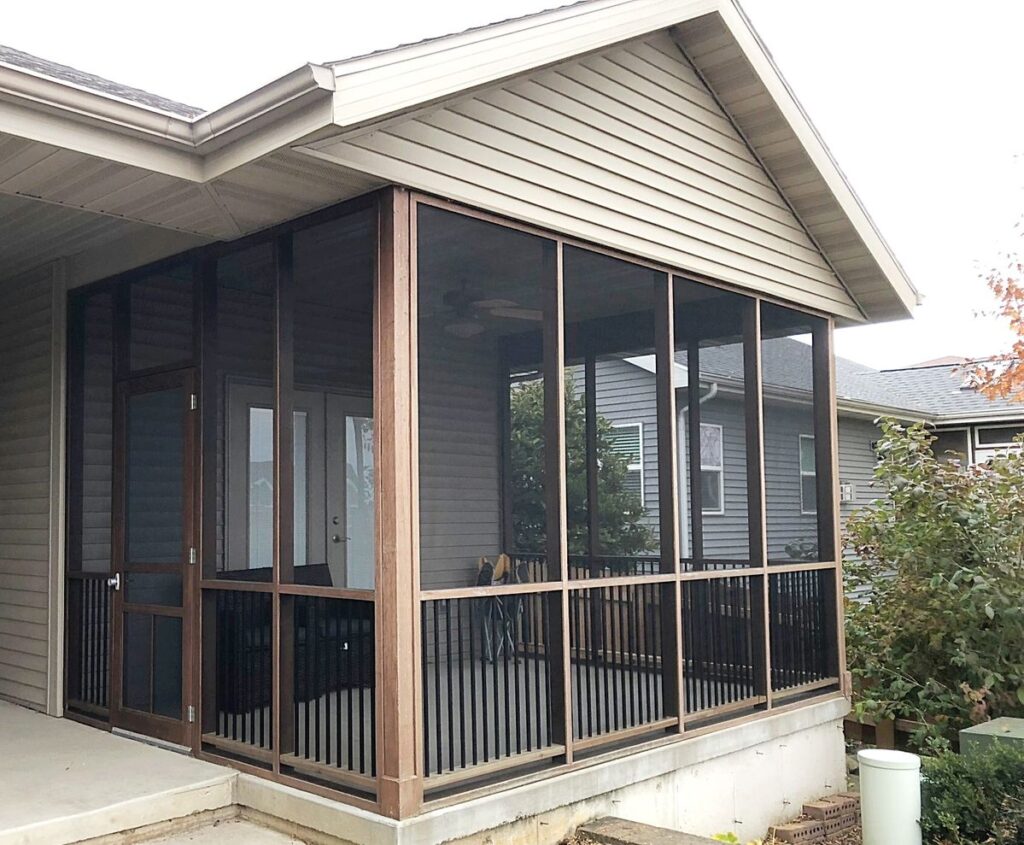
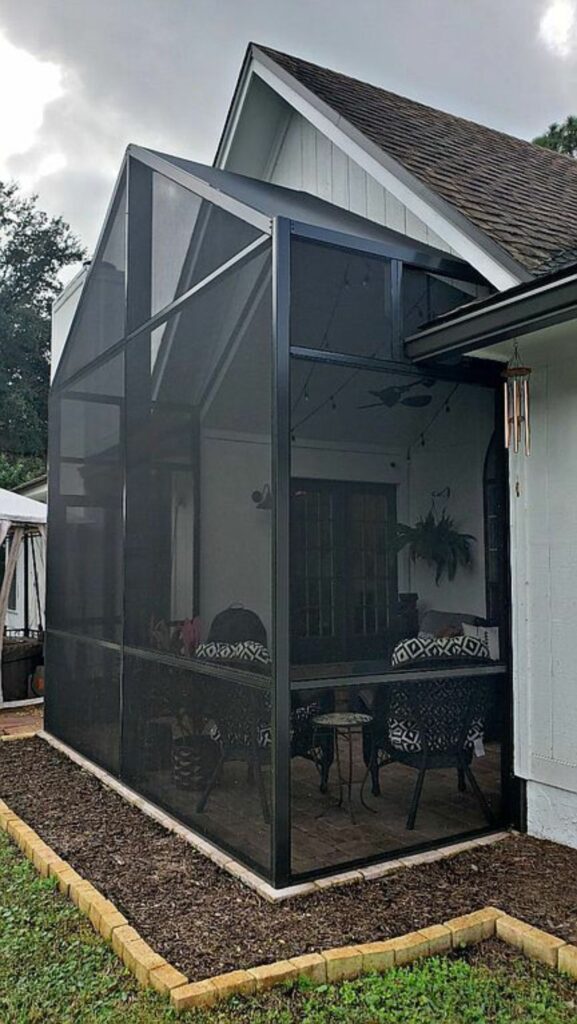
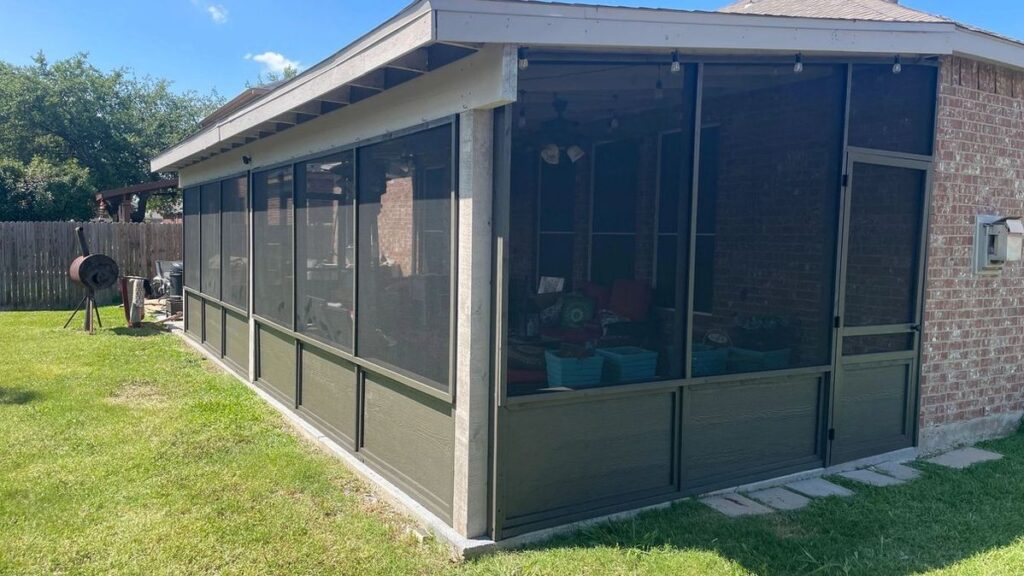
GutterHawk builds and rebuilds screen porches for homes in this part of north-central Live Oak Plantation, off Thomasville Road. That covers new screen enclosures added onto an existing patio slab, full rebuilds of porches where the frame or screen has failed, and repair work where panels have blown out or a frame has pulled loose from the fascia.
We work in aluminum frame systems and wood frame systems depending on what ties into the house, and we match screen density to what the homeowner wants out of the space, standard insect screen or a heavier pet-resistant weave for households with dogs that lean on the mesh. Roof tie-ins get flashed into the existing roofline the same way a lean-to addition would, not just caulked and hoped for. If the porch roof needs its own drainage run, we handle that as part of the same job rather than leaving it for someone else to figure out later.
Framing and Roof Options
What Live Oak Plantation homes are dealing with
This is a neighborhood built mostly during the ranch and split-level era that filled in north-central Live Oak Plantation before the newer subdivisions pushed further out along Thomasville Road. That means low-to-moderate roof pitches, a mix of asphalt shingle and some older built-up patio roof sections, and fascia boards that have had forty-plus years of moisture cycling against them. When we tie a screen porch roof into an existing structure here, we’re often finding soft or rotted fascia at the connection point before we ever get to the screen work itself.
The tree canopy is the other constant. Mature oaks and pines throw shade that keeps porches usable in July and August, but they also drop pine straw, seed pods, and limb debris straight onto porch roofs and into the screen frame tracks. On a flat or low-slope porch roof section, that debris sits and holds moisture instead of washing off, which speeds up rot at the fascia and rust at the screen frame fasteners. Grade and drainage vary lot to lot in this area, and a porch slab that doesn’t shed water away from the house will push moisture back toward the frame no matter how good the screen job is. If your section of Live Oak Plantation falls under an HOA with exterior review requirements, that’s worth checking before work starts, since we can’t confirm HOA rules ourselves and won’t guess at what’s on file.
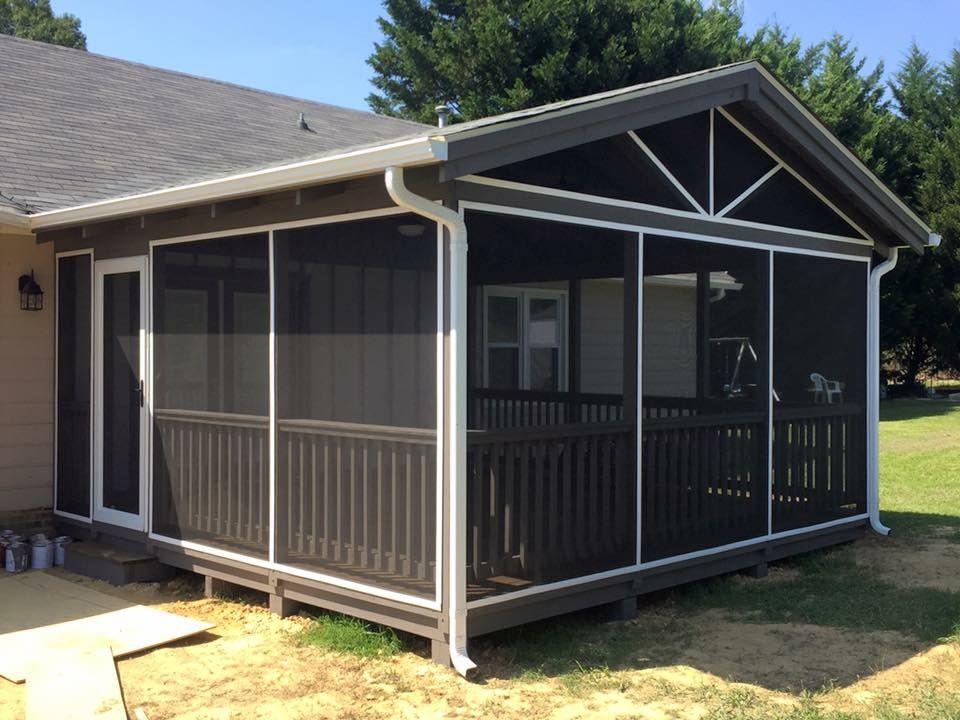
The Screen Porches in Live Oak Plantation FL Process
How the job runs
Day one starts with a walk of the existing porch or patio area. We check the slab or deck it will sit on, look at what the roofline or eave will tie into, and measure for frame material and screen panel sizing. If we’re rebuilding an existing porch, we pull the old screen and frame first so we can see the fascia and structural wood underneath, because that’s usually where problems show up that weren’t visible from outside.
Framing goes up next, whether that’s aluminum extrusion or wood posts and header, followed by flashing at any roof tie-in point. Screen panels go in last so they aren’t damaged during the framing and flashing stage. Most jobs run over a few days depending on size and whether rot repair adds time to the schedule. During Live Oak Plantation’s summer storm season, afternoon thunderstorms can push a screen or roof-tie step to the next morning, and we plan around that rather than rushing flashing work in the rain.
On the homeowner side, the main ask is clearing furniture and plants off the existing porch area before we arrive and confirming whether a pet or gate access needs to stay usable during the work.
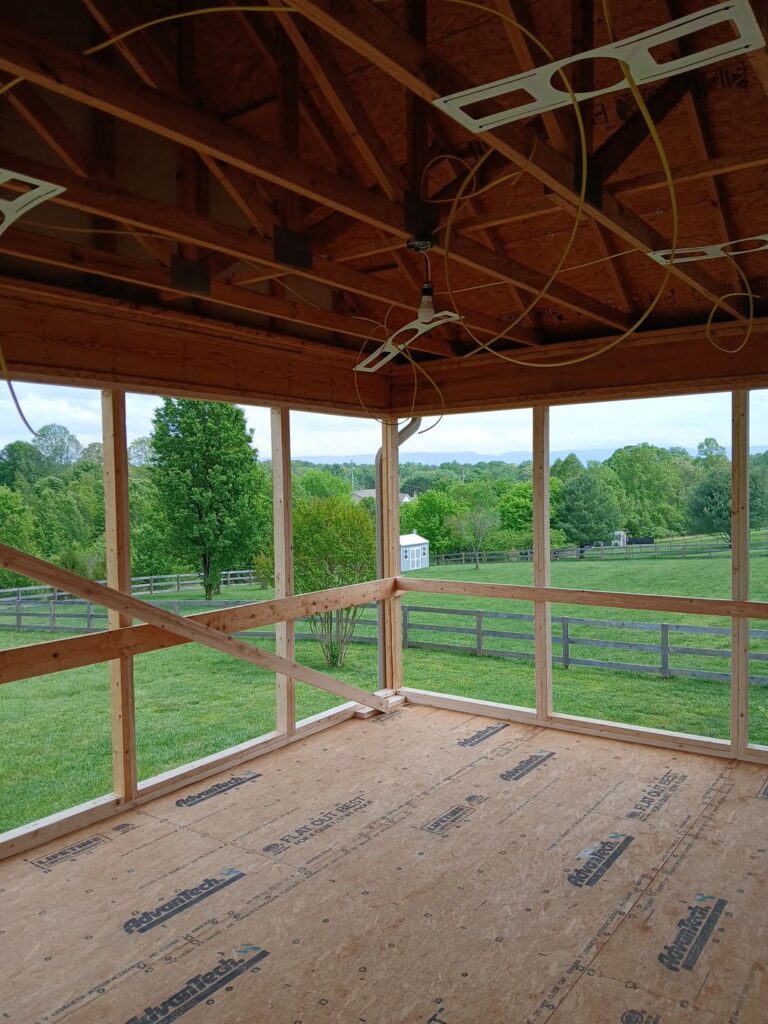
Rescreening an Existing Porch
What it costs
Screen porch work in Live Oak Plantation runs from about {PRICE_LOW} to {PRICE_HIGH}, and the spread comes down to a few things. A straightforward re-screen of an existing sound frame sits at the low end. A full rebuild that includes new framing, fascia repair, and a roof tie-in costs more, and the price moves further if we find rotted structural wood once the old screen and frame come off. Pet-resistant screen mesh costs more per panel than standard insect screen, and porch size and roof complexity affect labor time either direction. We’ll give you a firm number after the walk-through, not a phone estimate.
Why Homeowners Choose GutterHawk
Common questions
If a screen porch on your Live Oak Plantation property needs a rebuild, a repair, or a first-time enclosure on a patio, call GutterHawk’s Shamrock team at {PHONE_A} to get a walk-through scheduled.
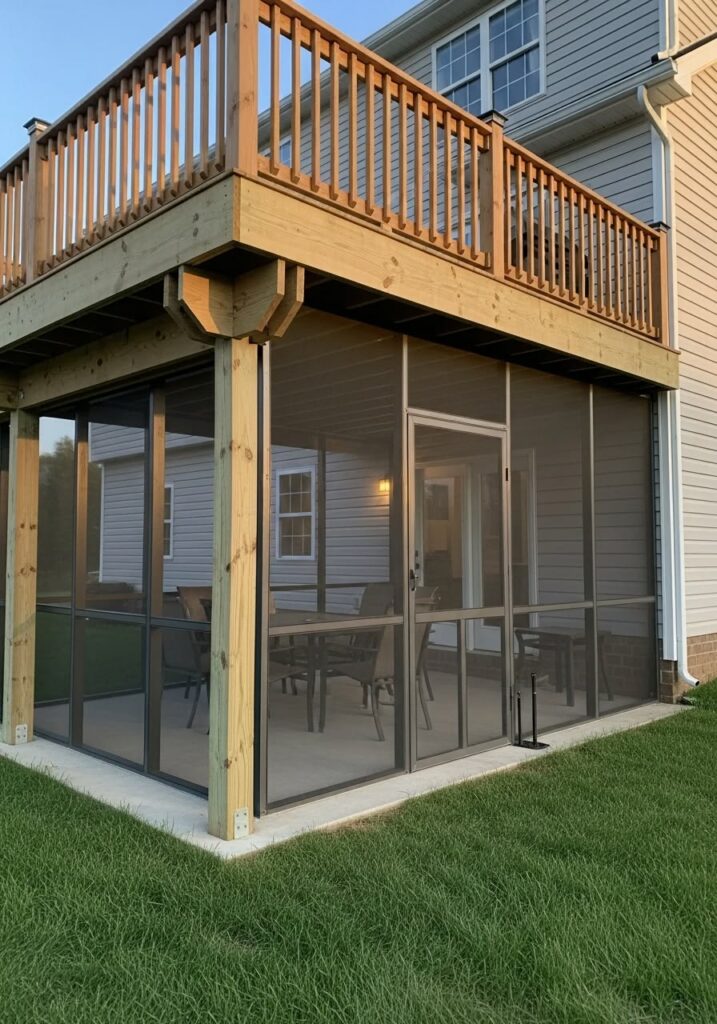
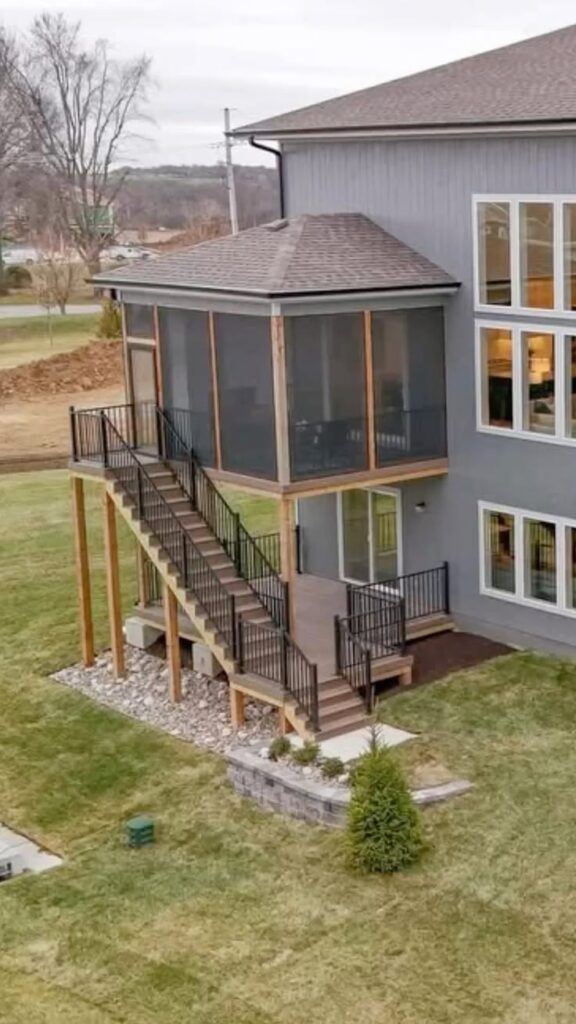
Serving Live Oak Plantation From Two Locations
GutterHawk works out of two Live Oak Plantation locations, Shamrock and North Monroe, which keeps scheduling short across the city and out into Leon County. Both teams build screen porches in Live Oak Plantation FL to the same standard. We cover Killearn, Killearn Lakes, Betton Hills, Midtown, Downtown, Myers Park, Maclay, Bobbin Brook, Live Oak Plantation, Timberlane, Woodgate, Foxcroft, Bull Run, Apalachee Ridge, Ox Bottom, Golden Eagle, Southwood, Buck Lake, and Havana.
Get a Porch Quote
Whether it is a rescreen or a build from scratch, the sooner it is done the more of the season you get out of it. Call GutterHawk at 850-779-1081 for screen porches in Live Oak Plantation FL.
Frequently Asked Questions
Q.1 How long does the screen last here?
Roughly five to ten years, depending on sun exposure and whether pets use it.
Q.2 What screen keeps out no-see-ums?
No-see-um mesh, which has a much tighter weave than standard fiberglass screen.
Q.3 Can I enclose my existing patio?
Usually yes, and it costs far less than building new since the slab and roof already exist.
Q.4 Do I need a permit?
Generally yes for new structures. We handle Leon County permitting as part of the job.
Q.5 How long does a build take?
A rescreen is a day or two. A full build is typically one to three weeks depending on scope.
Q.6 Can you add power and fans?
Yes, coordinated with a licensed electrician as part of the project.
Q.7 How much do screen porches in Live Oak Plantation FL cost?
Rescreening is modest. Conversions cost less than new builds. We quote itemised after a site visit.
Working With Us Is Easy
01.
Request Your Quote
Getting the process started is easy! Simply fill out our quick form or call us at 850-656-4295. One of our friendly staff members will get in touch to finalize the details.
02.
We Work On Your Estimate
One of our expert estimators will get to to work analyzing your job and crafting a proposal. Of course, we’re here to answer any questions you may have.
03.
GutterHawk Gets To Work!
Contact Us
Have questions about your roof? Do you need information on gutter maintenance plans? No matter the question, GutterHawk is here to help!