GutterHawk Roofing & Gutter Specialists


- About
- Roofing
- Gutters
- Areas Served
Killearn Estates
Killearn Acres
Bradfordville
Betton Hills
Lafayette Park
Southwood
Killearn Lakes Plantation
OX Bottom Manor
Summerbrooke
Golden Eagle
Foxcroft
Bull Run
Waverly Hills
Buck Lake Mahan
Piney-Z
Apalachee Ridge Estates
Myers Park
Maclay
Bobbin Brook
Live Oak Plantation
Timberlane
Woodgate
Lake Jackson
Meridian Hills
Midtown
Downtown Tallahassee
Havana
- Financing
- Testimonials
- Recent Projects
- About
- Roofing
- Gutters
- Areas Served
Killearn Estates
Killearn Acres
Bradfordville
Betton Hills
Lafayette Park
Southwood
Killearn Lakes Plantation
OX Bottom Manor
Summerbrooke
Golden Eagle
Foxcroft
Bull Run
Waverly Hills
Buck Lake Mahan
Piney-Z
Apalachee Ridge Estates
Myers Park
Maclay
Bobbin Brook
Live Oak Plantation
Timberlane
Woodgate
Lake Jackson
Meridian Hills
Midtown
Downtown Tallahassee
Havana
- Financing
- Testimonials
- Recent Projects
Metal Roofing in Apalachee Ridge Estates, FL
A ranch roof under a heavy pine canopy sheds needles into every valley and behind every chimney flashing for most of the year, and asphalt shingles in that kind of shade tend to hold moisture longer than they should. Metal changes that equation because there is nothing for pine straw to grip onto and nothing for algae to feed on the way it does on granule-covered shingles facing north.
Types of Metal Roofing We Install
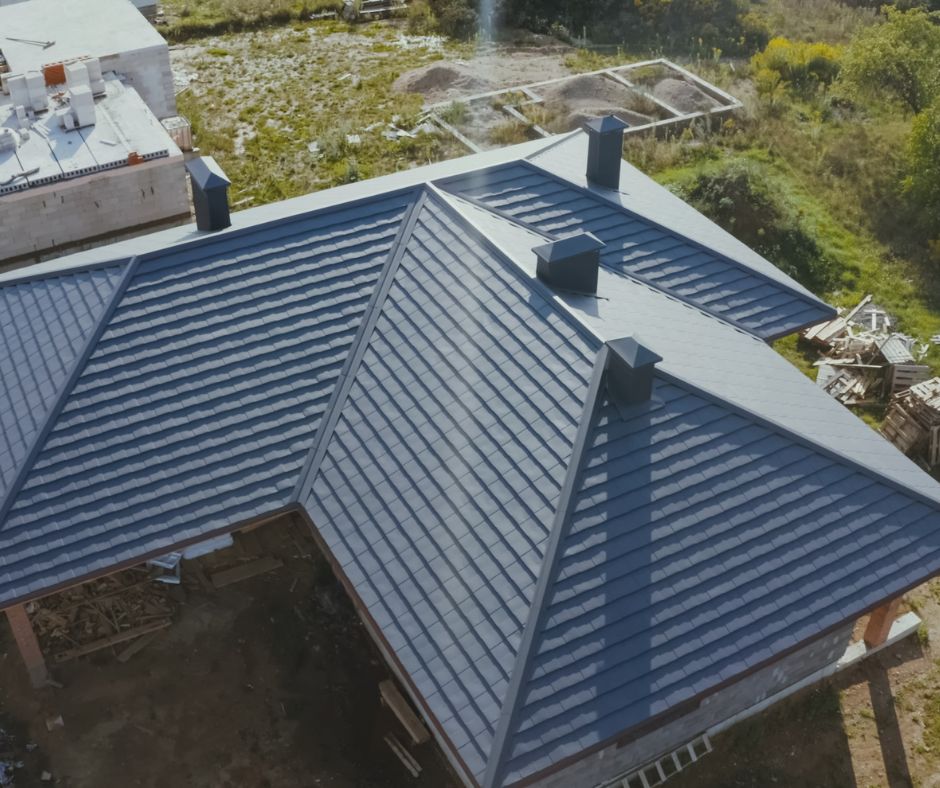
- Standing seam — panels joined by raised seams with the fasteners hidden underneath. No exposed screws means nothing to back out or leak. This is the premium option and the one we recommend most often.
- 5V crimp — the classic Florida panel, fastened through the face with exposed screws and neoprene washers. Less expensive than standing seam, and a long-standing look on older homes here.
- Corrugated and R-panel — ribbed exposed-fastener panels, common on outbuildings, workshops, and agricultural structures, and the most economical way to cover a large simple roof.
- Metal shingles and tiles — stamped panels that read as shingle or tile from the street while performing like metal. Useful where an HOA has opinions about appearance.
- Low-slope metal systems — for roofs too shallow for standard panels, using seam and flashing details built for the pitch.
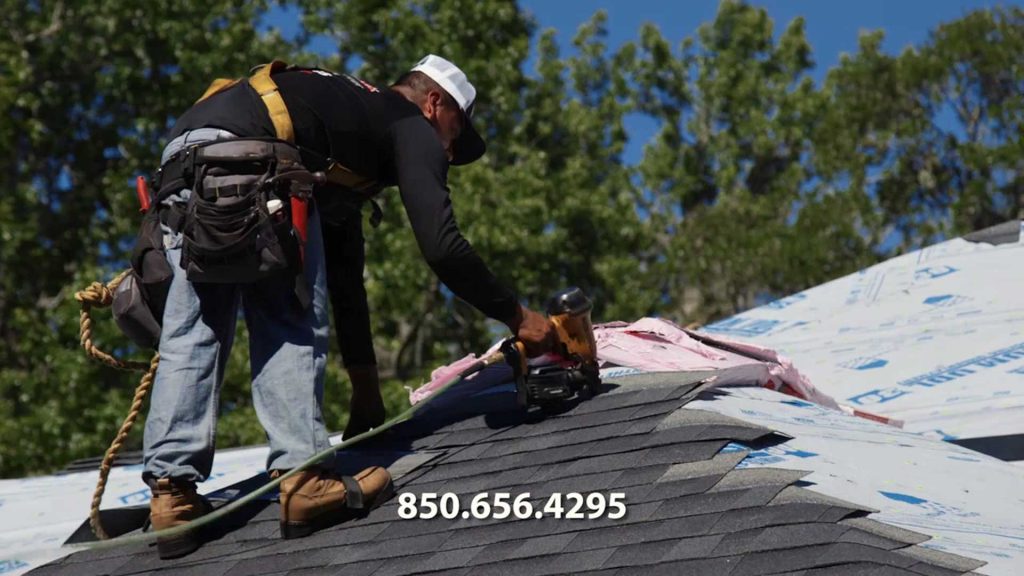
The Metal Roofing in Apalachee Ridge Estates FL Process
Metal Roofing in Apalachee Ridge Estates
GutterHawk installs standing seam and exposed-fastener panel systems on homes in this part of Apalachee Ridge Estates, and the two profiles solve different problems. Standing seam uses concealed fasteners under a raised vertical seam, which means no exposed screw heads for UV and rain to work loose over time. It is the system we recommend on lower-slope sections and anywhere a roof ties into a porch or carport where standing water is a risk. Exposed-fastener panel, sometimes called five-vee or ag panel, costs less to install and holds up fine on steeper main roof pitches where water sheds fast.
Both systems get installed with an eye on wind performance and coastal-grade coatings, even this far inland, because Apalachee Ridge Estates sits close enough to the Gulf and to tropical systems moving up from the coast that the same product specs apply here as they would closer to the water. We use fastening patterns, panel gauges and underlayment systems rated for the wind exposure category the house falls under, and we do not skip steps to hit a lower number. The work is done to the applicable Florida Building Code requirements for this jurisdiction, and Leon County pulls a permit and inspects it. We do not quote a specific wind uplift number on a proposal because that number depends on the panel, the fastening schedule and the roof geometry, and it gets documented in the permit package, not guessed at up front.
Trim work matters as much as the panel. Ridge caps, rake edges, valley metal and the transition where the roof meets brick or stucco all get custom-bent flashing rather than off-the-shelf pieces forced to fit. That is where most metal roof leaks actually start, not in the panel field.
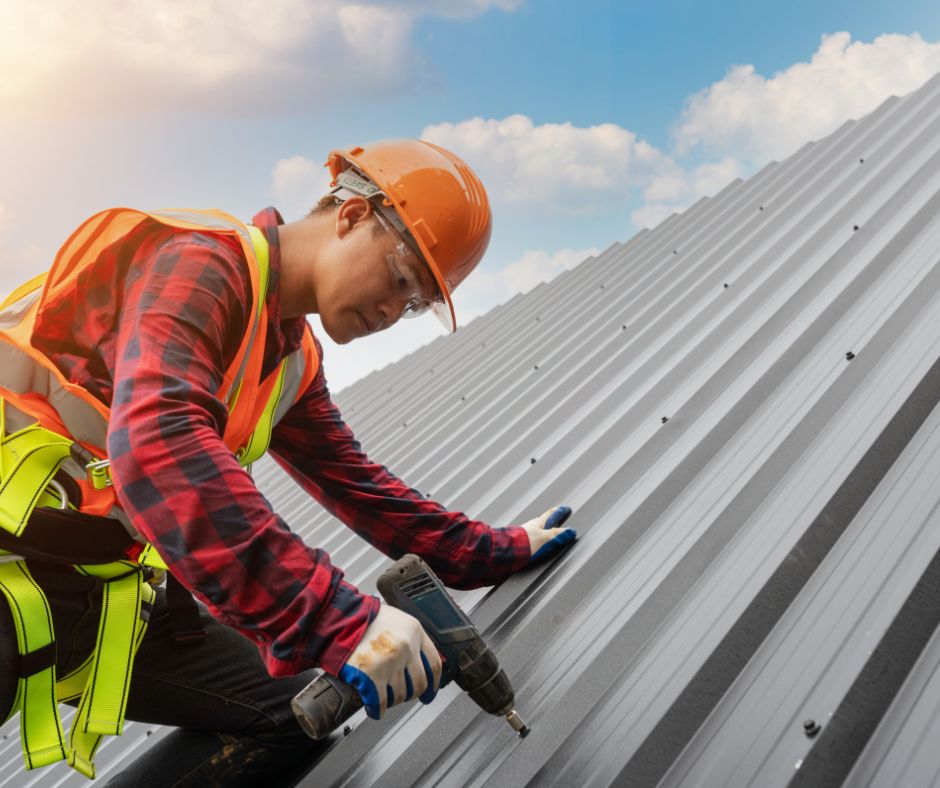
Metal Roof Repair and Maintenance
What Apalachee Ridge Estates homes are dealing with
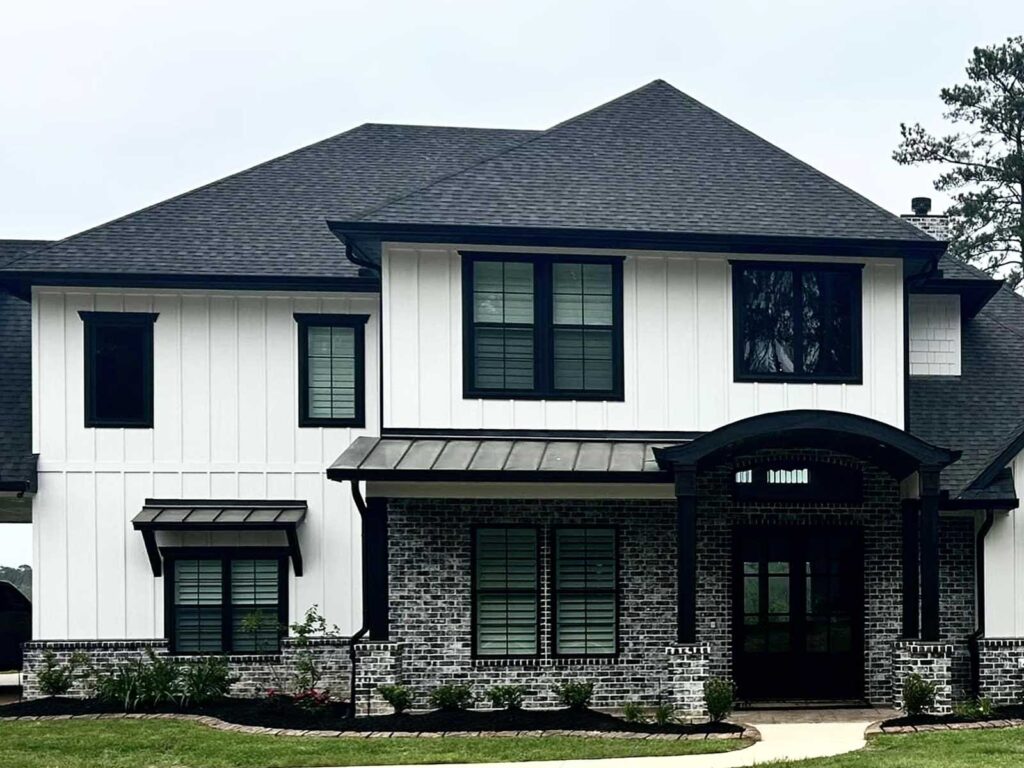
This is an east-side neighborhood off Apalachee Parkway, and the housing stock here runs through the same mid-century to later-20th-century build waves as a lot of Apalachee Ridge Estates’s older subdivisions east of the capitol. That typically means brick ranch construction with moderate roof pitches, original truss framing sized for asphalt shingle weight, and decking that has usually seen at least one re-roof by now. Some of these homes have hip roofs with a lot of flashing linear footage relative to their square footage, which changes the labor math on a metal install compared to a simple gable.
The tree canopy east of Apalachee Parkway is heavy pine mixed with hardwood, and that canopy drops needle litter and leaf debris onto roofs and into gutters at a volume that asphalt shingle valleys were not really designed to handle long term. On a metal roof, steep valley pitch and smooth panel surfaces move that debris off faster, though gutters still need attention separately. Grade and drainage vary lot to lot in this part of the neighborhood, and where a roof drains toward a low side yard or an older drainage swale, we look at that during the estimate because it affects how gutter outlets and downspouts need to tie in. If the property is governed by an HOA with exterior standards, homeowners here should check panel color and profile against those covenants before ordering material, since we install to your specification but do not review HOA paperwork for you.
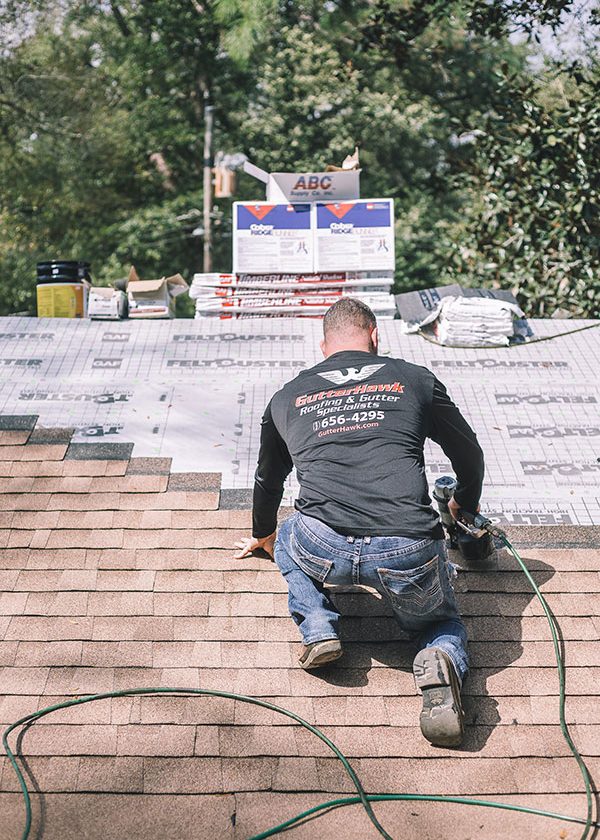
What Metal Roofing Costs in Apalachee Ridge Estates
How the job runs
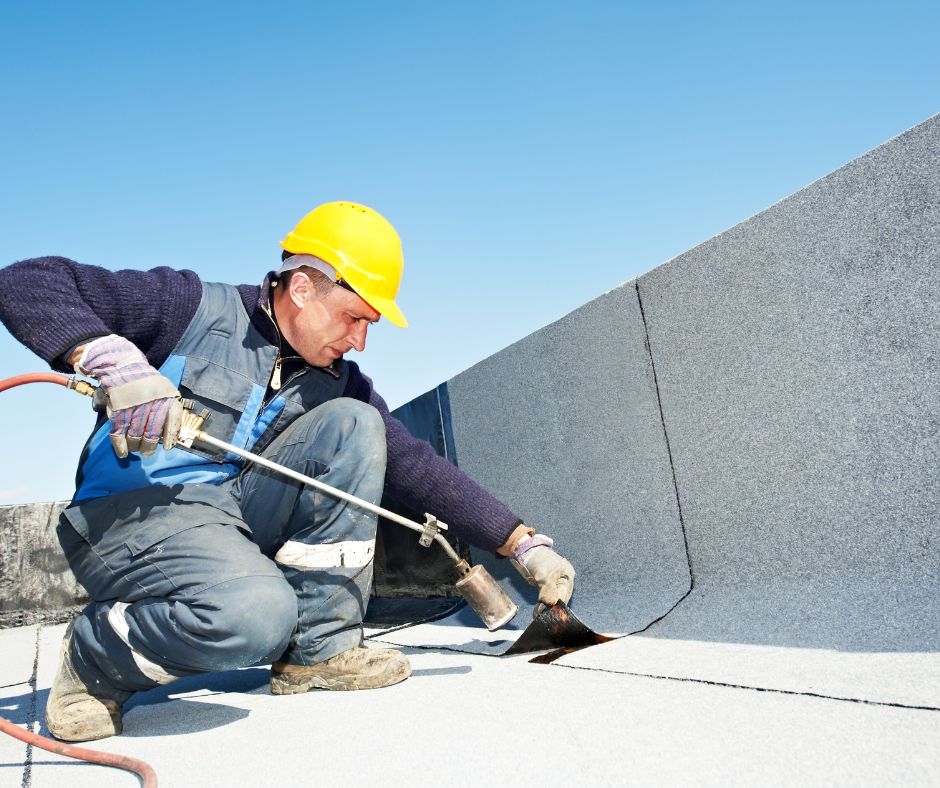
Day one starts with delivery staging, not tear-off. Panels, trim and fasteners get set on-site or a panel roll-forming trailer sets up in the driveway if we are running custom lengths for a longer roof plane. Tear-off comes next, one section at a time rather than the whole roof at once, so the house is never fully open to weather overnight during a Apalachee Ridge Estates summer when an afternoon storm can build with little warning.
Once decking is exposed, the crew checks for rot or delamination, especially around old plumbing boots and any spot where a prior leak left a stain. Bad decking gets replaced before anything goes down on top of it. Underlayment and ice-and-water style membrane go on at valleys, eaves and penetrations, then panels run field by field with the crew working off the felt line, not by eye. Flashing and trim close everything out, and a final walk covers fastener torque, seam closure and cleanup, including a magnetic sweep for dropped screws in the yard.
What we need from the homeowner is simple: clear driveway access for material delivery and staging, vehicles moved off the section of driveway or street we are using, and someone reachable by phone in case we need a decision on decking or flashing once the roof is open.
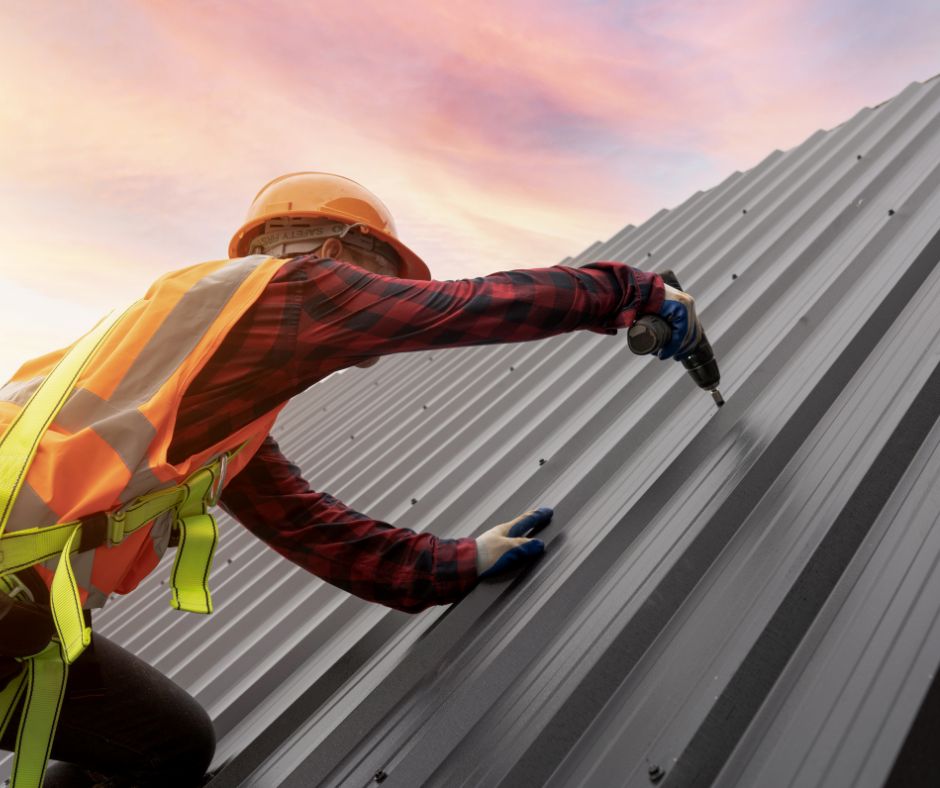
Metal, Shingle, or Something Else?
What it costs
Metal roofing in this neighborhood runs from {PRICE_LOW} to {PRICE_HIGH}, and the spread comes down to panel type, roof complexity and what is underneath the existing shingles. Standing seam costs more per square than exposed-fastener panel because of the concealed clip system and the labor to seam it correctly. A hip roof with several ridges, valleys and dormers costs more to flash than a simple gable of the same square footage. Decking replacement, if the tear-off turns up rot around old vent boots or chimney flashing, adds to the number and gets priced once we can actually see the wood. Panel gauge and coating also move the price, with heavier gauge and better coatings costing more up front and typically lasting longer.
Why Homeowners Choose GutterHawk
Common questions
Serving Apalachee Ridge Estates From Two Locations
GutterHawk works out of two Apalachee Ridge Estates locations, Shamrock and North Monroe, which keeps scheduling short across the city and out into Leon County. Both teams handle metal roofing in Apalachee Ridge Estates FL to the same standard. We cover Killearn, Killearn Lakes, Betton Hills, Midtown, Downtown, Myers Park, Maclay, Bobbin Brook, Live Oak Plantation, Timberlane, Woodgate, Foxcroft, Bull Run, Apalachee Ridge, Ox Bottom, Golden Eagle, Southwood, Buck Lake, and Havana.
Get a Metal Roof Quote
If you are weighing metal against another shingle roof, get real numbers for both before deciding. Call GutterHawk at 850-779-1081 for metal roofing in Apalachee Ridge Estates FL and we will measure the roof, explain which system fits it, and price it properly.
Frequently Asked Questions
Q.1 How long does a metal roof last here?
Forty years and up for a well-installed system, against fifteen to twenty for asphalt shingles in this humidity.
Q.2 Is a metal roof loud in the rain?
Much less than people expect. Decking and underlayment absorb most of it. Open-framed structures are a different story.
Q.3 Can metal go over my existing shingles?
Sometimes, where code and decking condition allow. We check rather than assume, since it affects both price and warranty.
Q.4 Will a metal roof lower my insurance?
It can, depending on your carrier and the wind rating. Ask your insurer directly, and we will supply the documentation.
Q.5 Does a metal roof attract lightning?
No. Metal does not attract strikes, and it is non-combustible, which is a point in its favour rather than against.
Q.6 Do you repair metal roofs you did not install?
Yes. Fastener replacement, panel work, and seam or flashing repairs on existing metal roofs.
Q.7 How much does metal roofing in Apalachee Ridge Estates FL cost?
Two to three times an architectural shingle roof, depending on system and complexity. We quote in writing after measuring.
Working With Us Is Easy
01.
Request Your Quote
Getting the process started is easy! Simply fill out our quick form or call us at 850-656-4295. One of our friendly staff members will get in touch to finalize the details.
02.
We Work On Your Estimate
One of our expert estimators will get to to work analyzing your job and crafting a proposal. Of course, we’re here to answer any questions you may have.
03.
GutterHawk Gets To Work!
Contact Us
Have questions about your roof? Do you need information on gutter maintenance plans? No matter the question, GutterHawk is here to help!