GutterHawk Roofing & Gutter Specialists


- About
- Roofing
- Gutters
- Areas Served
Killearn Estates
Killearn Acres
Bradfordville
Betton Hills
Lafayette Park
Southwood
Killearn Lakes Plantation
OX Bottom Manor
Summerbrooke
Golden Eagle
Foxcroft
Bull Run
Waverly Hills
Buck Lake Mahan
Piney-Z
Apalachee Ridge Estates
Myers Park
Maclay
Bobbin Brook
Live Oak Plantation
Timberlane
Woodgate
Lake Jackson
Meridian Hills
Midtown
Downtown Tallahassee
Havana
- Financing
- Testimonials
- Recent Projects
- About
- Roofing
- Gutters
- Areas Served
Killearn Estates
Killearn Acres
Bradfordville
Betton Hills
Lafayette Park
Southwood
Killearn Lakes Plantation
OX Bottom Manor
Summerbrooke
Golden Eagle
Foxcroft
Bull Run
Waverly Hills
Buck Lake Mahan
Piney-Z
Apalachee Ridge Estates
Myers Park
Maclay
Bobbin Brook
Live Oak Plantation
Timberlane
Woodgate
Lake Jackson
Meridian Hills
Midtown
Downtown Tallahassee
Havana
- Financing
- Testimonials
- Recent Projects
Roof Replacement in Midtown, FL
A brick ranch off the Monroe corridor with a 1960s gable roof and a live oak leaning over the back slope does not fail the same way a two-year-old subdivision roof does. The felt underneath is probably original in spots, the decking has soaked up sixty years of humidity swings, and whoever re-roofed it last time may not have pulled a permit at all. That is the roof GutterHawk’s North Monroe crew is usually standing on when a Midtown homeowner calls.
The Roof Replacement in Midtown FL Process
Roof Replacement in Midtown
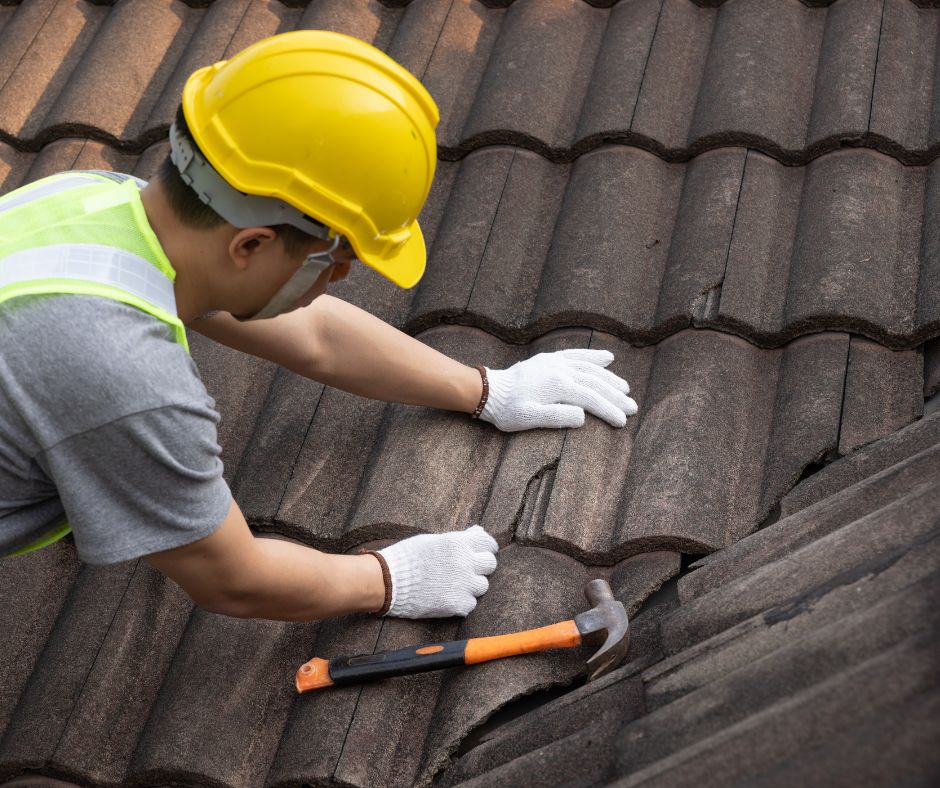
Roof replacement means a full tear-off, not a layover. We strip the existing shingles, felt, and any old flashing down to the deck, inspect the sheathing board by board, and replace what’s soft or delaminated before anything new goes down. From there it’s new underlayment, drip edge, valley metal, flashing at every wall and penetration, and new shingles or metal installed to the applicable code for Leon County.
This is not a patch job and it’s not a repair estimate padded into a bigger sale. If your roof needs a replacement, that means the shingle field is past spot repair, the decking has taken on moisture in more than one area, or the roof is old enough that continuing to chase leaks doesn’t make financial sense next to a full re-roof. We’ll tell you plainly which category your roof is in before we quote anything.
Roofing Materials We Install
- Architectural shingles — the most common choice for Midtown homes, rated for wind and offering a longer lifespan than basic 3-tab shingles.
- 3-tab shingles — a lower-cost option that still holds up reasonably well, best suited for homeowners working within a tighter budget.
- Metal roofing — a higher upfront cost but a much longer lifespan and strong wind resistance, worth considering if you plan to stay in the home long-term.
What Midtown homes are dealing with
Midtown’s housing stock skews older near the core streets off the Monroe corridor, mostly low-slope and mid-slope gable and hip roofs on brick ranches built between the 1950s and 1970s, mixed in with newer infill construction and the occasional two-story built in the last couple decades. The older homes are more likely to have 3-tab shingles or an aging architectural shingle roof installed over the original decking, and it’s common to find plywood or even board decking underneath that wasn’t inspected the last time the roof was redone. Roof pitches vary block to block, which changes ventilation needs and how much attic heat is actually getting relieved.
Tree canopy is heavy through most of Midtown, oaks and pines both, and that means two different problems on the same roof. Oak leaves and pollen build up in valleys and behind chimneys and hold moisture against the shingle surface. Pine needles work into gutters and downspouts and back water up under the drip edge if they’re not cleared. North-facing slopes with heavy shade develop algae streaking faster here than on the sunnier, newer subdivisions further out, and that streaking is often the first visible sign homeowners notice before they ever see a leak. Drainage and grade around these older lots can also be flatter than newer construction, so a roof that’s shedding water fine can still back up at the foundation if gutters and downspouts aren’t matched to the new roofline. Midtown does not have a single blanket HOA governing exterior work the way some newer planned subdivisions do, but individual streets and associations can carry their own architectural rules, so it’s worth checking before you pick a shingle color if your address falls under one.
What Affects Roof Replacement Cost in Midtown
How the job runs
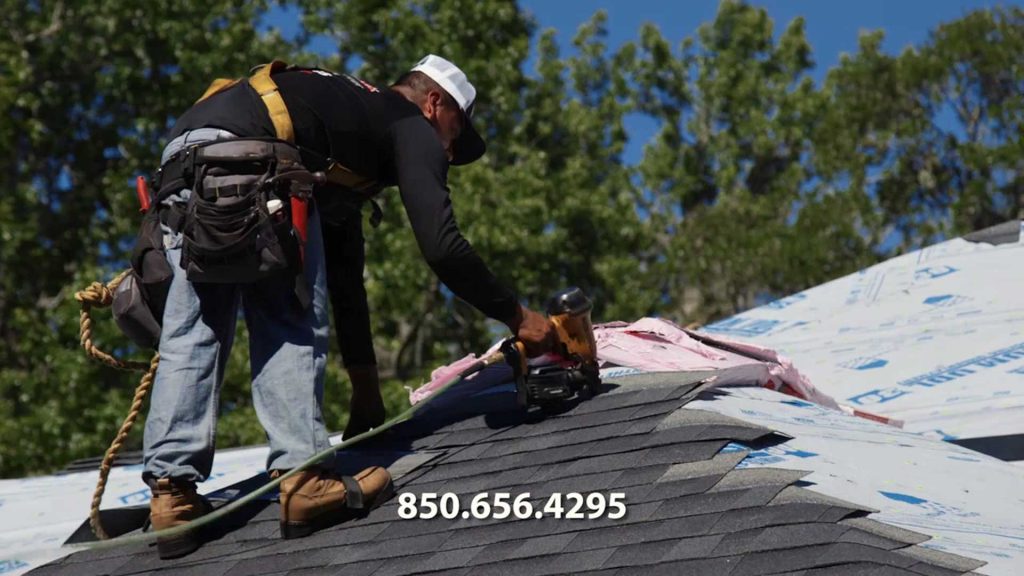
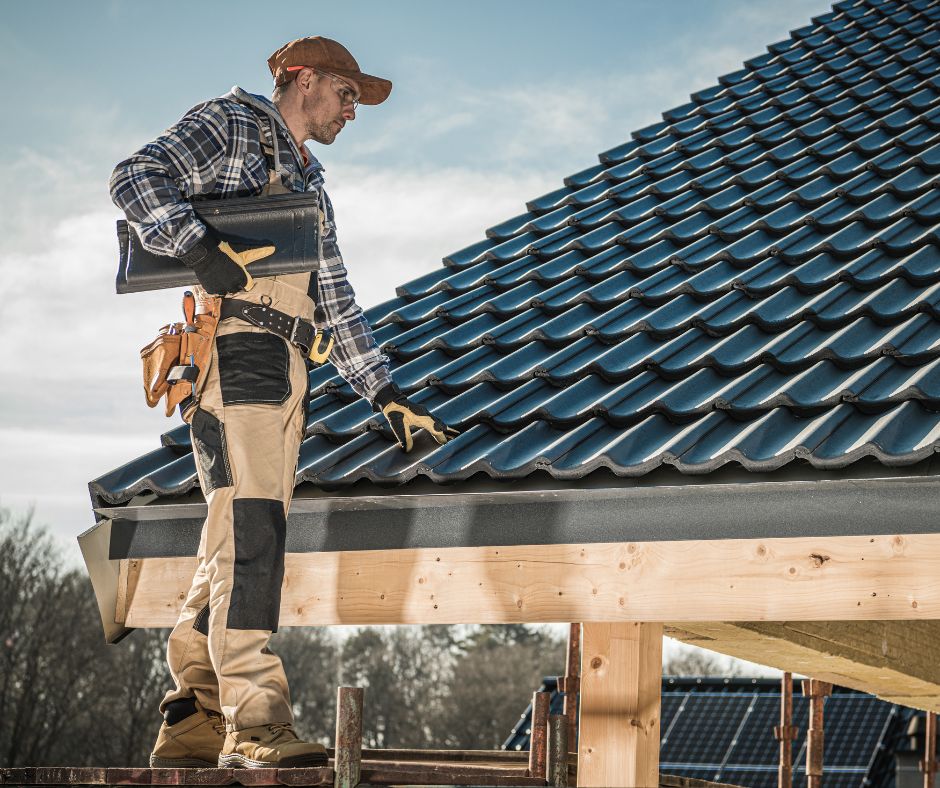
Day one starts with tear-off. The crew strips the roof to bare decking, tarps landscaping and driveway areas, and the site lead walks the deck with you or by phone if you’re not home, showing you any rot or soft spots before they’re covered up. Decking repairs happen the same day, board replacement where needed, then dry-in with new underlayment so the house is weathertight before anyone leaves for the night if the job runs past one day.
After dry-in, flashing goes in at every wall, chimney, and vent pipe, then the new roofing material goes down course by course. We haul debris and dumpster out as we go rather than letting it pile up on the lawn. What we need from you: clear the driveway and any vehicles from around the house, let us know about pets that get anxious around noise, and be ready for the crew to be loud and present for the length of the job. Cleanup includes a magnetic nail sweep of the yard and driveway before we call it finished.
Why Homeowners Choose GutterHawk for Roof Replacement
What it costs
A full tear-off and re-roof in Midtown typically runs {PRICE_LOW} to {PRICE_HIGH}, and where you land in that range depends on roof size and pitch, how much decking needs replacing once we’re under the old material, the shingle or metal product you choose, and how many penetrations, valleys, and flashing details the roof has. A simple gable roof on a smaller ranch prices differently than a cut-up hip roof with multiple dormers. We walk the roof and give you a written number before any work starts, and we’ll flag decking or structural issues as a separate line rather than folding surprises into a final bill.
Serving Midtown From Two Locations
Common questions
Get a Free Roof Replacement Estimate
If your roof is showing its age or you’ve had one too many repairs, it’s worth getting a straight opinion. Call GutterHawk at 850-779-1081 for a free, no-obligation estimate. We’ll inspect your roof, tell you honestly whether replacement makes sense, and if it does, walk you through exactly what roof replacement in Midtown FL involves for your home.
Frequently Asked Questions
Q.1 How do I know if I need a roof replacement instead of a repair?
If your roof is over 20 years old, has widespread shingle damage, soft or spongy decking, or repair costs that keep piling up, replacement is usually the more practical option. A repair only makes sense if the damage is limited to a small, specific area.
Q.2 How much does roof replacement cost in Midtown?
It depends on your roof’s size, pitch, and the materials you choose. Smaller, simpler roofs typically run a few thousand dollars, while larger roofs with steep pitches or premium materials can run well into five figures. We provide a written estimate after inspecting the roof in person.
Q.3 How long does a roof replacement take?
Most residential roof replacements take one to three days, depending on the size of the roof and the weather. We’ll give you a specific timeline during your estimate.
Q.4 Will you handle the permit for my roof replacement?
Yes, we pull any required permits as part of the job, so you don’t have to deal with the paperwork yourself.
Q.5 What happens to my old roof once it’s removed?
We remove and dispose of the old roofing material as part of the job. Cleanup is included, not billed as an add-on.
Q.6 Can you help with an insurance claim for storm damage?
We can inspect the roof, document the damage, and provide a written report you can submit with your claim. We’re not a public adjuster, but we’ll give you what you need to support the claim.
Q.7 Is there a best time of year to replace a roof in Midtown?
Late fall through early spring tends to have the most predictable weather, which makes scheduling easier, but we replace roofs year-round. If your roof is failing, we won’t tell you to wait for a better season.
Working With Us Is Easy
01.
Request Your Quote
Getting the process started is easy! Simply fill out our quick form or call us at 850-656-4295. One of our friendly staff members will get in touch to finalize the details.
02.
We Work On Your Estimate
One of our expert estimators will get to to work analyzing your job and crafting a proposal. Of course, we’re here to answer any questions you may have.
03.
GutterHawk Gets To Work!
Contact Us
Have questions about your roof? Do you need information on gutter maintenance plans? No matter the question, GutterHawk is here to help!