

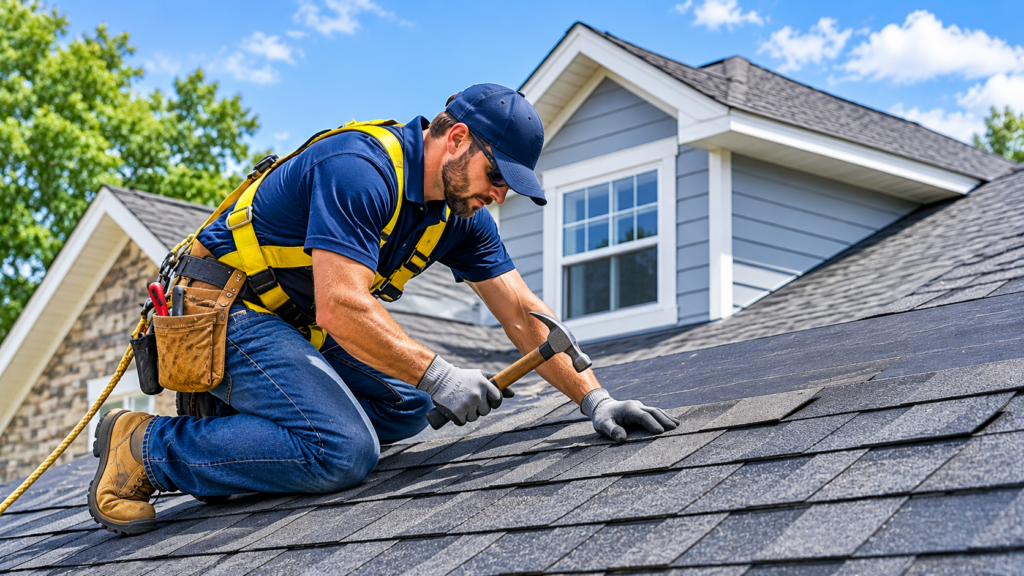
Your roof is the most important protective layer on your house. It keeps out rain, blocks heat and shields everything you own. Because it works every day without complaint, many homeowners ignore it until a stain appears on the ceiling. By then, the repair is often larger and more expensive than it needed to be. This guide explains the essentials of residential roofing Timberlane FL homeowners should understand before they hire a contractor or choose a material.
Why Residential Roofing Is a Big Decision
A roof replacement is one of the largest investments you will make in your home. The material, installation quality and ventilation all affect how long it lasts and how well it protects your family. A strong roof also helps your home’s energy efficiency, insurance standing and resale value.
Good residential roofing Timberlane FL work accounts for local conditions: intense sun, humidity, heavy seasonal rain and the possibility of high winds. A roof designed for these demands will outlast one that is not.
Signs Your Roof May Need Repair or Replacement
Walk around your property and look for these warning signs:
- Missing, curled, cracked or buckling shingles.
- Granules collecting in gutters or at downspouts.
- Dark streaks, moss or algae growth.
- Sagging areas or uneven rooflines.
- Daylight visible through the attic boards.
- Water stains on ceilings or walls.
- Damaged flashing around chimneys, vents and skylights.
- A roof that is 20 years old or more.
If you notice several of these, schedule a professional inspection before the next storm season.
Common Roofing Materials for Homes
- Asphalt shingles: The most popular option. They are affordable, widely available and come in many colors and styles.
- Metal roofing: Highly durable and wind resistant, and it reflects heat well. Initial cost is higher, but lifespan is long.
- Tile (clay or concrete): Classic appearance and strong heat performance, though heavier and requiring a solid structure.
- Architectural or dimensional shingles: A thicker, more textured shingle with better durability and appearance than standard three-tab shingles.
- Synthetic materials: Lightweight products designed to mimic slate or wood with less upkeep.
Your best choice depends on budget, home style, neighborhood guidelines and how long you plan to stay.
Repair or Replace?
A repair is reasonable when damage is limited, such as a few missing shingles or a small flashing failure. Replacement is usually better when:
- The roof is near the end of its expected life.
- Leaks keep returning in different places.
- Damage is widespread after a storm.
- The deck is soft or rotted.
- Repair costs are approaching a significant portion of replacement.
An honest contractor will show you photos, explain the cause and give you both options with clear pricing.
What to Expect During a Roof Replacement
Knowing the process makes the experience far less stressful. A typical residential roofing Timberlane FL project includes:
- Inspection and estimate. The roofer evaluates the roof, attic and ventilation and provides a written proposal.
- Permits and scheduling. Required permits are obtained and a start date is agreed on.
- Protection and tear-off. Landscaping and walkways are covered, and the old roofing is removed.
- Deck repair. Any damaged plywood or boards are replaced.
- Underlayment and flashing. A water-resistant layer and metal flashing are installed in vulnerable areas.
- Roofing installation. New shingles, tiles or metal panels are fastened following manufacturer requirements.
- Ventilation and details. Ridge vents, pipe boots and trim are completed.
- Cleanup and final inspection. Debris is removed, magnets sweep for nails and the work is reviewed with you.
Many replacements are finished in one to three days, depending on size and weather.
Factors That Affect the Price
- Roof size, pitch and number of layers.
- Material choice and warranty level.
- Condition of the roof deck.
- Complexity, such as valleys, dormers and skylights.
- Ventilation and underlayment upgrades.
- Local permit and disposal costs.
Always compare itemized quotes rather than a single total. Low prices can hide thin materials, skipped steps or limited warranties.
Why Attic Ventilation Matters
Heat and moisture trapped in an attic age your roof from the inside. Proper intake and exhaust ventilation reduces temperature, protects the roof deck and helps cut cooling costs. Ask any contractor to check ventilation as part of residential roofing Timberlane FL projects, not as an afterthought.
How to Hire the Right Roofer
Choosing a contractor deserves as much thought as choosing a material. Look for:
- Current licensing and liability insurance.
- Written, detailed estimates and contracts.
- Clear information on both material and workmanship warranties.
- Local references and photos of completed work.
- Open communication and a realistic schedule.
Be cautious of anyone who pressures you to sign immediately, asks for full payment upfront or cannot provide proof of insurance.
Simple Maintenance Habits
- Inspect your roof after major storms.
- Keep gutters and valleys clear of debris.
- Trim overhanging branches.
- Remove moss or algae gently.
- Schedule a professional check every year or two.
Take the Next Step
A little planning now can prevent a costly emergency later. If you want guidance on residential roofing Timberlane FL options, reach out to Gutter Hawk for an inspection and a clear, written estimate.
FAQs
1. How long does a residential roof last? Asphalt shingles commonly last 15 to 30 years, metal roofs can last 40 years or more, and tile can last even longer with proper care.
2. How do I know if my roof has storm damage? Look for missing or lifted shingles, dents, debris and new ceiling stains. A professional inspection can find damage that is not visible from the ground.
3. How long does a roof replacement take? Most homes are completed in one to three days, though larger or more complex roofs may need longer.
4. Is it better to repair or replace an old roof? Repair suits small, isolated issues. Replacement is wiser when the roof is near the end of its life or has widespread damage.
5. Does a new roof improve home value? Yes. A new roof improves curb appeal, protects the structure and reassures buyers, which can support a stronger sale.