

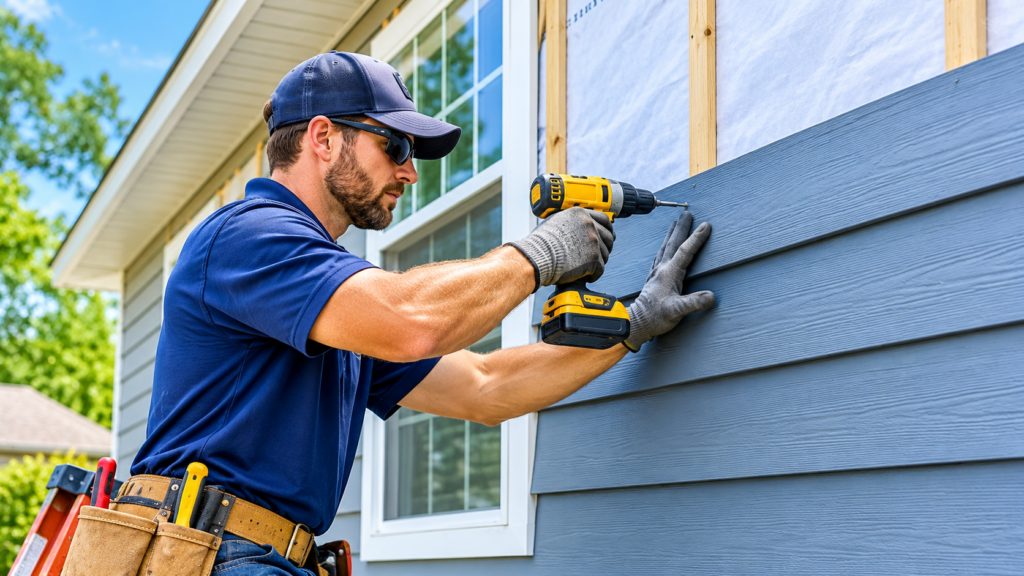
The exterior of your home makes the first impression, and it also does the daily work of shielding your walls from sun, moisture and wind. When the exterior starts to fade, warp or crack, it affects both appearance and protection. New siding can transform a tired house, improve comfort and raise its market value. This guide covers what homeowners should know about siding installation Bull Run FL, from choosing materials to understanding the process.
Why Siding Matters More Than You Think
Siding is your home’s outer shield. It keeps rain from reaching the wall structure, helps regulate indoor temperature and provides a first line of defense against wind-driven debris. When it fails, water can seep behind the panels, leading to rot, mold and insulation damage that is expensive to fix.
Good siding installation is not only about the material. The underlying moisture barrier, flashing and fastening method are what make the finished wall perform for decades.
Signs It Is Time for New Siding
Consider a professional evaluation if you notice:
- Cracked, warped or buckled panels.
- Fading or chalky, uneven color.
- Soft or rotting boards, especially near the bottom of walls.
- Mold, mildew or peeling paint on the exterior or interior walls.
- Gaps or holes where pests can enter.
- Higher cooling bills with no clear cause.
- Bubbling or blistering of the surface.
A few isolated problems can often be repaired, but widespread damage usually points to replacement.
Popular Siding Materials
Choosing a material means balancing appearance, upkeep, durability and budget.
- Vinyl: Affordable, available in many colors and low maintenance. A common choice for homeowners wanting good value.
- Fiber cement: Strong, fire-resistant and able to mimic wood grain. It resists pests and holds paint well.
- Engineered wood: Offers the look of natural wood with improved moisture and insect resistance.
- Aluminum and steel: Tough, long lasting and resistant to fire, though they may dent in certain conditions.
- Stucco-style finishes: Popular in warm regions for their classic look and heat tolerance.
For humid, sunny climates, materials that resist moisture, mold and UV fading deserve special attention.
The Siding Installation Process, Step by Step
Understanding what happens helps you plan and ask better questions. A typical siding installation Bull Run FL project follows these stages:
- Inspection and measurement. The contractor checks the walls, identifies hidden damage and measures every surface.
- Material and color selection. You choose a product, color and trim style that suits your home and neighborhood.
- Removal of old siding. Existing panels are taken off and the wall sheathing is checked for moisture or rot.
- Repairs and preparation. Damaged sections are repaired, and a weather-resistant barrier is installed.
- Flashing and sealing. Windows, doors and corners are flashed to direct water away from the wall.
- Panel installation. New siding is fastened according to the manufacturer’s specifications, allowing for expansion and contraction.
- Trim, caulking and cleanup. Finishing details are added, and the site is cleaned and inspected.
Most single-family projects take several days to a couple of weeks, depending on size, weather and material.
What Influences Siding Costs?
Your quote will depend on several factors:
- Home size and number of stories.
- Material type and quality.
- Condition of the existing wall surface.
- Amount of trim, corners and architectural detail.
- Insulation upgrades or moisture barriers.
- Labor complexity and permit requirements.
Request itemized estimates from at least two or three contractors so you can compare materials, labor and warranty terms fairly.
Benefits of Professional Installation
Siding can look simple, but small mistakes cause big problems. Improper flashing, over-tight nails and poor sealing let water in. Professional siding installation Bull Run FL services provide:
- Accurate measurement and less material waste.
- Correct moisture barrier and flashing details.
- Proper fastening for wind resistance.
- Manufacturer-compliant work that protects your warranty.
- Cleaner, faster project completion.
Tips to Make Your Siding Last Longer
- Wash the surface once or twice a year with a soft brush and mild cleaner.
- Trim trees and shrubs so they do not rub against the walls.
- Check caulking around windows and doors each season.
- Repair small cracks before water can enter.
- Keep sprinklers aimed away from the walls.
Choosing the Right Contractor
When comparing companies for siding installation Bull Run FL, ask about licensing, insurance, written warranties and recent local projects. Look for clear communication, a detailed contract and a project timeline. A contractor who explains your options honestly, instead of rushing you to sign, is more likely to deliver quality work.
Ready to Refresh Your Home?
If your walls are showing their age, or you simply want a fresh look, now is a good time to plan. Contact Gutter Hawk to discuss your project, review material options and request a no-pressure quote for your home.
FAQs
1. How long does siding last? Lifespan varies by material. Vinyl often lasts 20 to 40 years, while fiber cement can last 50 years or more with proper care.
2. Can new siding be installed over old siding? Sometimes, but removing the old layer allows inspection for hidden moisture and rot, and usually gives a better, longer-lasting result.
3. Does new siding increase home value? Yes. Updated siding improves curb appeal and is often one of the home improvements that recovers a strong share of its cost at resale.
4. How long does a siding project take? Most homes are completed within several days to two weeks, depending on size, material and weather conditions.
5. What siding is best for humid weather? Fiber cement, vinyl and engineered options with strong moisture and UV resistance are popular choices for warm, humid areas.