

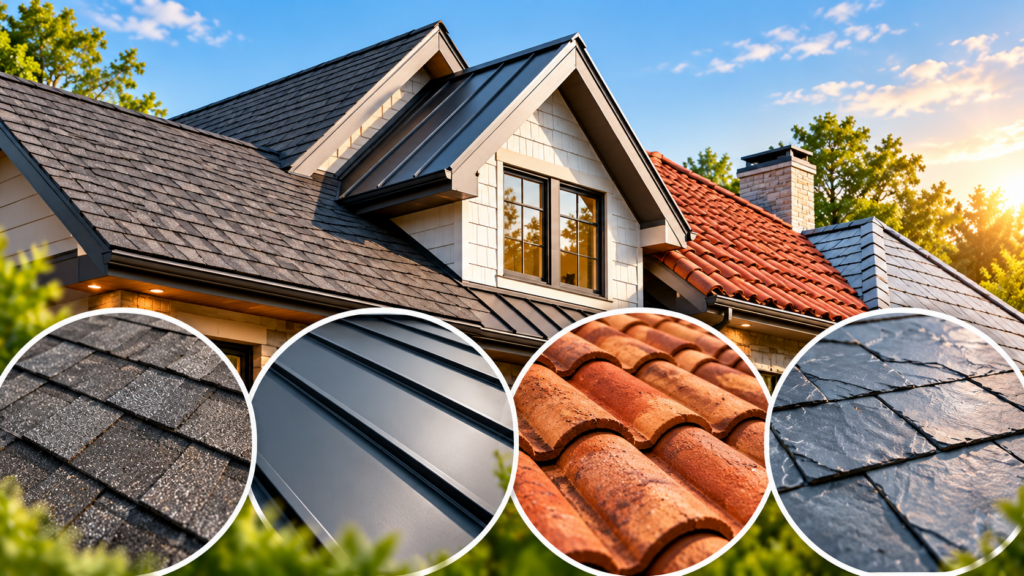
The most durable roofing material is slate, with clay tile close behind. For most Tallahassee homes, though, metal is the smarter buy. It gets within reach of tile’s lifespan at a lower price and weight.
Durability is not only about years. A roof replacement in North Florida has to handle heat, humidity, heavy rain and hurricane-season wind. Below, we rank the main materials and tell you which one we would put on your house.
What durable means for a Tallahassee roof
Lifespan is the headline number, but four things decide whether a roof holds up here: wind resistance, water shedding, heat and algae tolerance, and impact strength. A material rated for 100 years in a dry climate can still fail early here if it cracks in a storm or holds moisture. The National Roofing Contractors Association is a good reference for installation standards.
The most durable roofing material, ranked
Slate sits at the top. Real slate commonly lasts 75 to 150 years. It is also heavy and expensive, and many homes need extra framing to carry it. Our view: great for historic or high-end homes, overkill for most.
Clay tile comes next, often 50 to 100 years. Concrete tile usually lands lower but still beats shingles. Tile handles heat well. It is heavy, though, and single tiles can crack from impact, so repairs need a careful crew.
Metal is our pick. Quality metal panels typically last 40 to 70 years. They shed rain fast, resist rot and algae, and hold up in high wind when installed right. They also weigh little, so most homes need no structural upgrade. The upfront cost runs higher than shingles, but you will likely only buy the roof once. If that fits your plans, look at our metal roofing options.
Asphalt shingles rank last on lifespan, usually 15 to 30 years depending on the style. They still make sense on a tight budget or a short stay. Architectural and impact-resistant lines last well past basic three-tab.
How each material handles Florida storms
Metal and impact-resistant shingles handle wind-driven rain well when fastened to code. Tile resists wind but can send broken pieces flying if hit by debris. Slate handles wind in the right setup, though one cracked slate can be costly to match. Basic three-tab shingles tend to lose tabs first. After any big storm, get the roof checked even if you see no leaks.
Match the material to your budget and timeline
Think in cost per year, not sticker price. A shingle roof that costs less today but needs replacing twice can cost more than one metal roof. If you will stay 15 years or less, shingles usually win. Past 25 years, metal usually does. Slate and tile make sense only when the house, the budget and the framing all support them.
Installation matters as much as the material
Even the most durable roofing material fails early with poor flashing, thin underlayment or weak ventilation. Ask who installs the roof, what the workmanship warranty covers, and whether the crew holds licenses for both roofing and structural work. In storm country, also ask about wind ratings and fastening, and look at the IBHS FORTIFIED program, which sets tougher roof standards for high-wind areas.
Mistakes that shorten any roof’s life
Three mistakes show up again and again. Homeowners choose on price alone, then pay for early repairs. They skip the deck check, so new roofing goes over soft or rotted wood. And they ignore attic ventilation, which bakes shingles and traps moisture under metal. A good estimator checks all three before naming a material.
Conclusion
The most durable roofing material is slate, then tile, then metal. For most Tallahassee homes, metal gives the best mix of lifespan, storm performance and price. Pick the material only after you know what your roof deck needs. A free roof inspection tells you that, and GutterHawk will walk you through metal, tile or shingles with written numbers. Call 850-779-1081 and we will price your roof replacement the way we would want ours priced. No pressure, just straight answers about what will last.
FAQs
Slate lasts longest, often 75 to 150 years, followed by clay tile at 50 to 100. Metal typically reaches 40 to 70 years. Lifespan depends on climate, installation quality and maintenance, so a well-installed metal roof can outlast a poorly installed tile roof in Florida conditions.
For most homeowners staying 25 years or more, yes. Metal costs more upfront than shingles but needs fewer replacements, handles wind and rain well, and resists rot and algae. If you plan to sell within 10 to 15 years, a quality architectural shingle roof may be the better value.
Standing seam metal and properly installed impact-resistant shingles perform well in high wind. What matters most is fastening, edge details and a sound roof deck. Ask your contractor about wind ratings for the exact product, and get the roof checked after every major storm.
Asphalt shingles usually last 15 to 30 years, depending on the style and conditions. Metal roofing typically lasts 40 to 70 years. That gap means metal often costs less per year of service, even though the first bill is higher. Heat, storms and poor ventilation shorten both.
Sometimes, but it is rarely the most durable choice. An overlay hides deck damage, adds weight and can void some warranties. A full tear-off lets the crew inspect and repair the deck first. For a long-lasting roof, we recommend tear-off in nearly every case.