

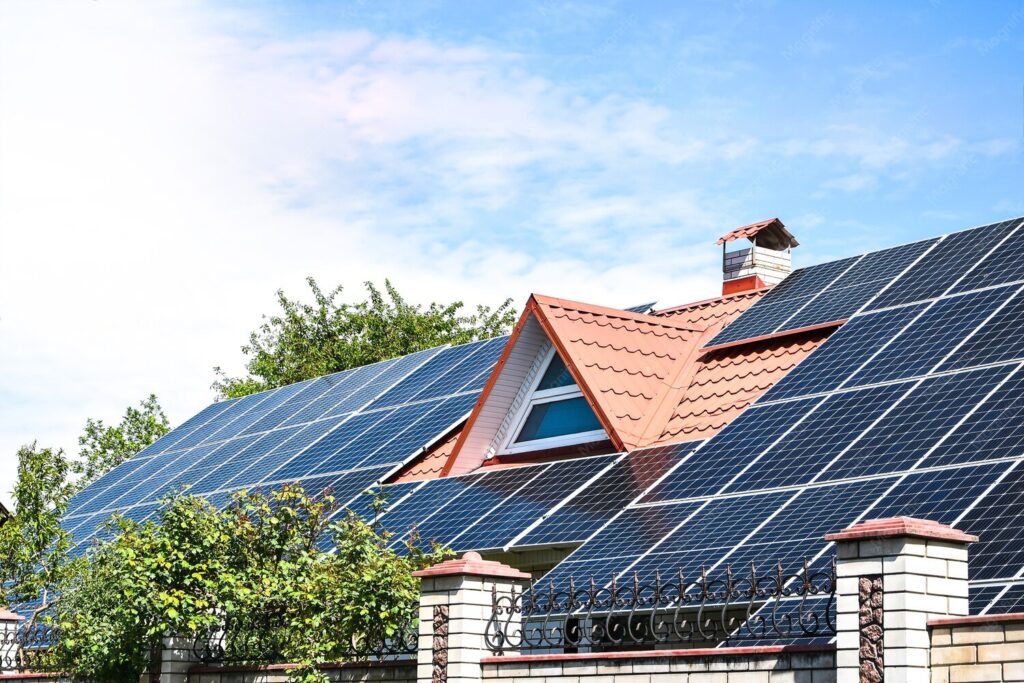
Installing solar panels is a major home improvement project that can help homeowners reduce their reliance on traditional electricity. However, before investing in solar energy, it is important to determine whether your existing roof is ready for installation. A roof must be in good condition, structurally sound, and capable of supporting solar equipment. Its age, available space, sun exposure, and drainage also influence whether solar panels are a practical choice.
Your roof is ready for solar panel installation when it has sufficient structural capacity, a durable and leak-free roofing system, enough usable space, and suitable sunlight exposure. A professional roof inspection can help identify repairs or replacement needs before the installation begins.
For homeowners in Tallahassee, Florida, evaluating these factors before installing solar panels can help prevent avoidable roofing problems and additional expenses.
Check the Age and Remaining Lifespan of Your Roof
One of the first things to consider is how much useful life your existing roof has left. Solar panels are designed to operate for many years, so installing them on a roof that needs replacement soon may create unnecessary costs.
For example, if your asphalt shingle roof is approaching the end of its expected lifespan, it may be more practical to replace the roofing materials before adding solar panels.
Removing and reinstalling solar equipment during a future roof replacement can increase labor costs and complicate the project.
Consider these questions before proceeding:
- How old is your current roof?
- Have you experienced recurring leaks or required frequent repairs?
- Are the shingles curling, cracking, loose, or missing?
- Has the roof sustained storm or wind damage?
- Will the roof likely remain serviceable throughout the solar system’s expected lifespan?
The answers can help determine whether repairs, replacement, or a more detailed assessment is appropriate.
If your roof is nearing the end of its useful life, explore GutterHawk’s roof replacement services before committing to solar installation.
Make Sure the Roof Is Structurally Sound
Solar panels, mounting equipment, and related components add weight to your roof. The structure must also withstand applicable wind forces and other local weather conditions.
A roof that looks fine from the ground may still have underlying problems involving its decking, rafters, trusses, or other structural components.
Warning signs that deserve professional attention include:
- Sagging or uneven roof sections
- Soft or deteriorating roof decking
- Water stains on ceilings or attic surfaces
- Damaged rafters or roof supports
- Evidence of long-term moisture exposure
- Previous structural damage that has not been properly addressed
A qualified roofing professional can assess the visible roofing system and identify concerns that may require further investigation. A structural engineer should evaluate load-bearing capacity when necessary.
Do not assume your roof can support solar panels simply because it supports your existing roofing materials. The complete installation must be evaluated against the structure’s capacity and applicable building requirements.
Address any necessary repairs or structural improvements before the solar installation proceeds.
Inspect for Leaks and Roofing Damage
A watertight roof is essential before solar panels are installed. Even a small leak can become a bigger problem when roofing defects remain hidden beneath mounting hardware or solar equipment.
Solar mounting systems must be installed according to the roofing material and manufacturer requirements. Improper attachment, damaged shingles, or inadequate flashing can create potential water entry points.
Before installation, check for:
- Missing, cracked, or damaged shingles
- Deteriorated flashing around vents and roof penetrations
- Signs of water intrusion in the attic
- Damaged roof valleys
- Loose roofing materials
- Previous repairs that may have failed
Homeowners should also consider the condition of the roof’s underlayment and other components where accessible.
If you notice any of these issues, arrange a professional assessment before scheduling solar installation. GutterHawk’s roof repair services can help address roofing problems that need attention before your next home improvement project.
Repairing existing damage first can help protect your investment and reduce the likelihood of having to disturb the solar system later.
Evaluate Sunlight Exposure and Roof Orientation
A structurally sound roof is only part of the equation. Solar panels also need suitable sunlight exposure to generate electricity efficiently.
The roof’s orientation, slope, and surrounding environment influence how much sunlight the panels receive throughout the day.
In the Northern Hemisphere, south-facing roof areas often provide favorable solar exposure. However, east- and west-facing roof sections can also be suitable, depending on the property and system design.
Shading is another important consideration. Trees, neighboring buildings, chimneys, and other obstructions can reduce solar production.
Before installation, consider the following:
- Which roof sections receive the most direct sunlight?
- Do nearby trees create significant shadows?
- Will seasonal changes affect sunlight exposure?
- Is the roof slope suitable for the proposed mounting system?
- Can panels be positioned without obstructing essential roof features?
Check Available Roof Space
Your roof needs enough usable area to accommodate the planned solar array. However, the total roof area is not the same as the space available for panels.
Vents, chimneys, skylights, roof valleys, and other features may limit where equipment can be installed. Required access routes and applicable fire-safety clearances can also affect the layout.
A professional assessment should determine whether the available space can accommodate the system size you want.
Consider these factors:
- The dimensions of unobstructed roof sections
- The number and size of panels proposed
- Roof features that restrict placement
- Access needed for future inspection and maintenance
- Local building and fire-safety requirements
Make Sure Your Roof and Gutters Drain Properly
Effective drainage is particularly important in Tallahassee, where heavy rain and seasonal storms can put residential roofing systems to the test.
Solar panels should not interfere with the roof’s intended drainage paths. Poor drainage, clogged gutters, or existing water-management problems can contribute to moisture damage and premature deterioration.
Before installation, inspect your gutters and downspouts for blockages, loose sections, leaks, and signs of poor water flow.
Also check for standing water on flat or low-slope roof sections and investigate any areas where water regularly collects.
A professional assessment can help identify whether drainage improvements are needed before the solar equipment is installed.
GutterHawk offers gutter installation services to help homeowners manage rainwater around their properties. Keeping the gutter system in good working condition is an important part of maintaining the overall roofing system.
Remember that solar panels do not replace the need for proper gutter maintenance. Your roof and drainage system must continue working together to direct water away from the home.
Schedule a Professional Roof Inspection Before Installation
Even if your roof appears to be in good condition, a professional inspection can help uncover problems that are difficult to identify from the ground.
A roof inspection before solar installation should evaluate the condition of the roofing materials, flashing, visible structural components, drainage system, and any signs of moisture intrusion.
The inspector can also identify areas that may need repair or replacement before the solar contractor begins work.
For a more detailed review, GutterHawk’s roof maintenance and inspection services can help homeowners evaluate their roof’s condition and identify potential concerns.
Before moving forward, coordinate with your solar installer to clarify who will assess structural capacity, mounting compatibility, waterproofing details, and any required permits.
A roofing inspection and a structural assessment serve different purposes. Your project may require both, depending on the roof’s condition and the proposed installation.
Taking this step early can help you avoid unexpected repairs, reduce installation delays, and make a more informed decision about your investment.
Should You Replace Your Roof Before Installing Solar Panels?
You should consider replacing your roof before installing solar panels if the roofing system is nearing the end of its expected lifespan, has widespread damage, or requires extensive repairs.
A roof replacement may not be necessary if your existing roof is relatively new, structurally sound, and in good condition. The decision depends on the roofing material, maintenance history, inspection findings, and expected remaining lifespan.
Compare the likely costs and inconvenience of replacing the roof now with the potential expense of removing and reinstalling solar equipment later.
If replacement is needed, coordinate the roofing and solar projects so the new roof is ready for the mounting system. Confirm that the selected roofing materials and installation methods are compatible with the proposed solar equipment.
Final Thoughts
Determining whether your roof is ready for solar panel installation starts with understanding its current condition. Roof age, structural capacity, leaks, sunlight exposure, available space, and drainage all play a role in the decision.
Addressing roofing problems before installing solar panels can help protect your home, avoid preventable expenses, and support the long-term performance of your solar system.
For homeowners in Tallahassee, Florida, GutterHawk can help evaluate roofing concerns and identify repairs or replacement needs before the next stage of your project.
Planning to install solar panels? Start with a professional roof inspection to understand what your roof needs before installation begins.
Frequently Asked Questions
Your roof should be structurally sound, free of significant leaks or damage, and have enough usable space for the proposed system. It should also receive suitable sunlight. A professional inspection can help identify repairs or additional assessments needed before installation.
Consider replacing your roof first if it is nearing the end of its lifespan or has extensive damage. Installing solar panels on a roof that needs replacement soon may lead to additional costs because the panels may need to be removed and reinstalled.
Yes, an older roof may support solar panels if its condition and structural capacity are suitable. However, age alone does not establish whether a roof is safe or ready. A professional assessment should consider deterioration, remaining lifespan, and the proposed system’s requirements.
Solar panels do not automatically cause roof leaks. However, improper mounting, inadequate flashing, or damage during installation can create opportunities for water intrusion. Proper installation methods and compatible mounting equipment are essential.