GutterHawk Roofing & Gutter Specialists


- About
- Roofing
- Gutters
- Areas Served
Killearn Estates
Killearn Acres
Bradfordville
Betton Hills
Lafayette Park
Southwood
Killearn Lakes Plantation
OX Bottom Manor
Summerbrooke
Golden Eagle
Foxcroft
Bull Run
Waverly Hills
Buck Lake Mahan
Piney-Z
Apalachee Ridge Estates
Myers Park
Maclay
Bobbin Brook
Live Oak Plantation
Timberlane
Woodgate
Lake Jackson
Meridian Hills
Midtown
Downtown Tallahassee
Havana
- Financing
- Testimonials
- Recent Projects
- About
- Roofing
- Gutters
- Areas Served
Killearn Estates
Killearn Acres
Bradfordville
Betton Hills
Lafayette Park
Southwood
Killearn Lakes Plantation
OX Bottom Manor
Summerbrooke
Golden Eagle
Foxcroft
Bull Run
Waverly Hills
Buck Lake Mahan
Piney-Z
Apalachee Ridge Estates
Myers Park
Maclay
Bobbin Brook
Live Oak Plantation
Timberlane
Woodgate
Lake Jackson
Meridian Hills
Midtown
Downtown Tallahassee
Havana
- Financing
- Testimonials
- Recent Projects
Seamless Gutters in Downtown Tallahassee, FL
Downtown Downtown Tallahassee is one of the few parts of the county where you still see built-in box gutters running behind a parapet wall, sitting next to buildings with standard hung gutter that was added decades after the original roof went on. That mismatch matters when you’re forming new gutter on site, because the fascia depth, the roof edge detail, and the drop location on a downtown commercial building rarely match what you’d find on a residential eave out in the newer subdivisions.
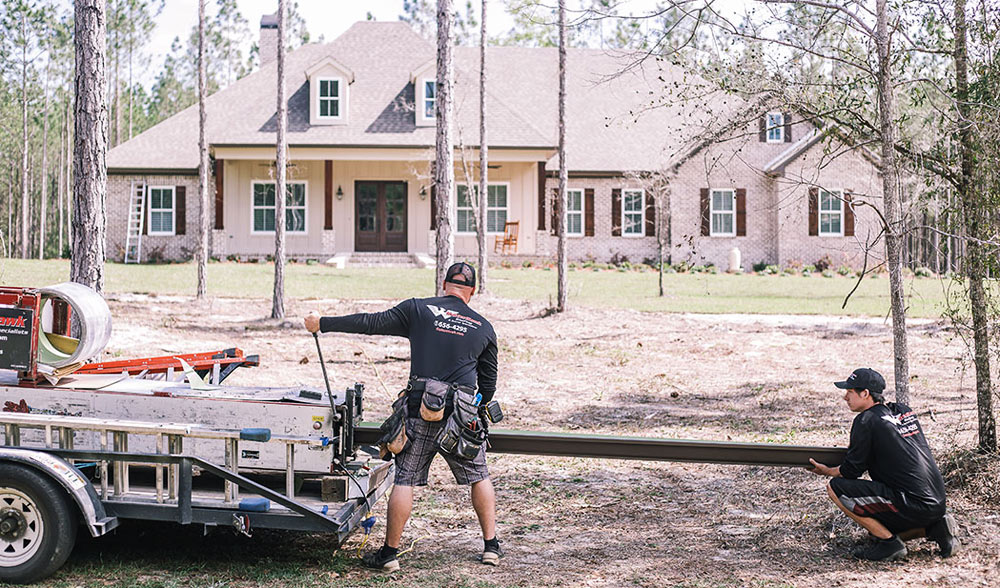
Forming the gutter on site, rather than pulling stock lengths off a truck, is what lets us match those irregular fascia runs without a seam every ten feet.
Materials
- Aluminium — the standard, and what goes on the large majority of homes. Rust-proof, light, and available in a long list of baked-on colours. Comes in different gauges, and the heavier gauge is worth it under pines.
- Heavy-gauge aluminium — thicker stock that resists denting from falling limbs and holds shape better on long runs. A sensible upgrade in canopy neighbourhoods.
- Copper — several times the cost, weathers to a patina over years, and lasts decades. Used on period and architectural homes where the gutter is meant to be seen.
- Galvanised steel — stronger and heavier than aluminium, used where impact resistance matters more than weight, though it needs a coating to stay rust-free.
Profiles
Seamless Gutters in Downtown Downtown Tallahassee
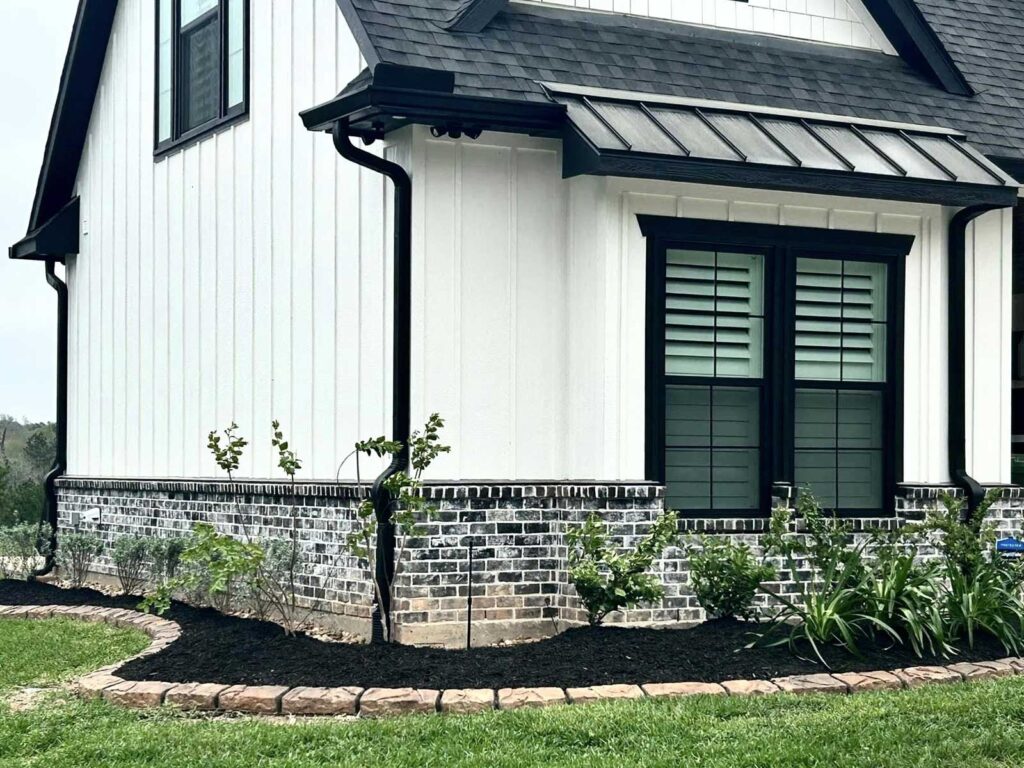
Seamless gutter isn’t a brand name, it’s a description of the process. We bring a portable forming machine to the site and run the gutter coil through it in one continuous piece, cut to the exact length of each fascia run. The only seams left on the building are at the corners and the end caps, which is where a factory-seamed gutter fails first anyway.
For downtown work, material choice comes down to what’s already on the building and what the roofline is doing. .032 aluminum is the standard call for most storefront and mixed-use fascia. Where a building has exposed box gutter or a more formal facade, 16 oz. or 20 oz. copper or a heavier-gauge steel gets specified instead, both because it holds up to more foot traffic on flat roof sections and because it matches what’s often already there on older downtown structures.
Color goes on before the gutter ever leaves the coil. We carry standard aluminum finishes that cover most commercial trim colors, and we can special-order to match a specific storefront palette or historic trim scheme. Copper and uncoated steel are left to weather naturally, which is usually the point on older downtown buildings.
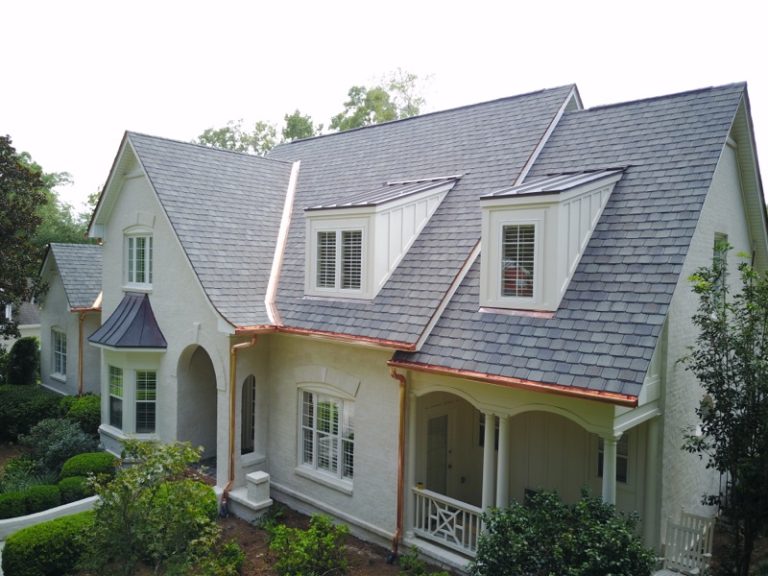
What Seamless Gutters Cost
What Downtown Downtown Tallahassee homes are dealing with
Most of the properties in this part of town aren’t single-family homes in the way you’d find them in the newer growth areas off Thomasville Road. Downtown Downtown Tallahassee is government offices, converted historic houses now used commercially, mixed-use retail with apartments above, and a scattering of older single-family stock closer to the edges of the core. Roof types split between low-slope commercial membrane with parapet walls and box gutters, and steeper pitched roofs on the older converted residential buildings, often with standing seam metal or architectural shingle. Fascia depth and gutter hanging points vary building to building because so much of downtown was built, added onto, and re-roofed at different points over the last several decades.
Tree canopy downtown is lighter than in the older residential neighborhoods, but it’s not absent. Live oaks and mature pines along the capitol complex and the older streets still drop leaf litter and pine needles into any exposed gutter run, and on flat commercial roofs that debris tends to collect at scuppers and box gutter outlets rather than a standard downspout, which is a different clog pattern than a house gutter sees. Grade and drainage downtown is mostly engineered, curb and sidewalk, storm drain, not yard swale, so where a gutter discharges matters more for keeping water off pedestrian areas and building entries than it does for yard drainage. Because much of downtown falls under municipal and historic district design review rather than a residential HOA, exterior changes on some buildings, including gutter material and color, may need to go through that review process before work starts.
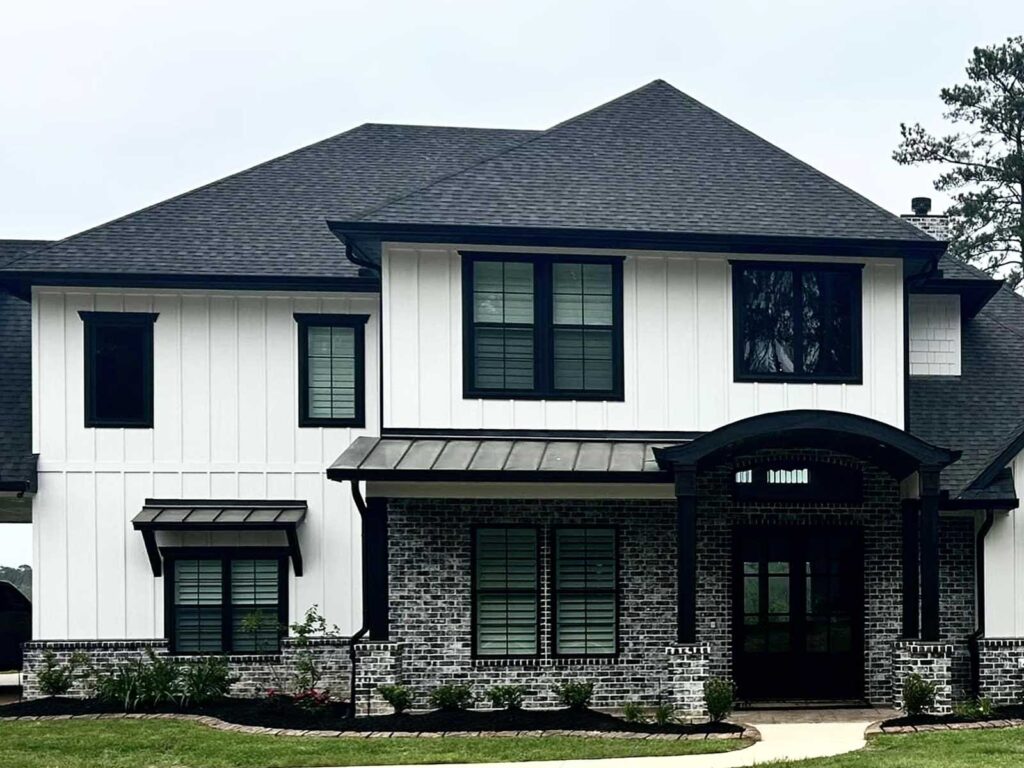
The Seamless Gutters in Downtown Tallahassee FL Process
How the job runs
Day one starts with measuring every fascia run and box gutter section on the building and confirming the drop locations for downspouts, which downtown often ties into an existing storm system rather than daylighting onto grade. We check that against the building’s parking, loading access, and any downtown permitting or right-of-way requirements before equipment gets set up, since curb space and sidewalk closures are more of a factor here than in a residential neighborhood.
Old gutter and hangers come off first, and we look at the fascia board and roof edge underneath while it’s exposed. Rot or a soft roof deck at that point gets flagged before new gutter goes up, not covered over. The forming machine sets up on site, usually in a parking area or loading zone, and runs the coil to length for each run. Hangers get spaced to hold up under Downtown Tallahassee’s summer downpour rates, not just light rain. Downspouts and any box gutter transitions get tied in and tested with a hose before the crew leaves.
What you need to do as the property owner or manager is confirm access to the roof and any interior areas near box gutter outlets, and if the building falls under downtown design review, get that sign-off on file before we’re scheduled to start.
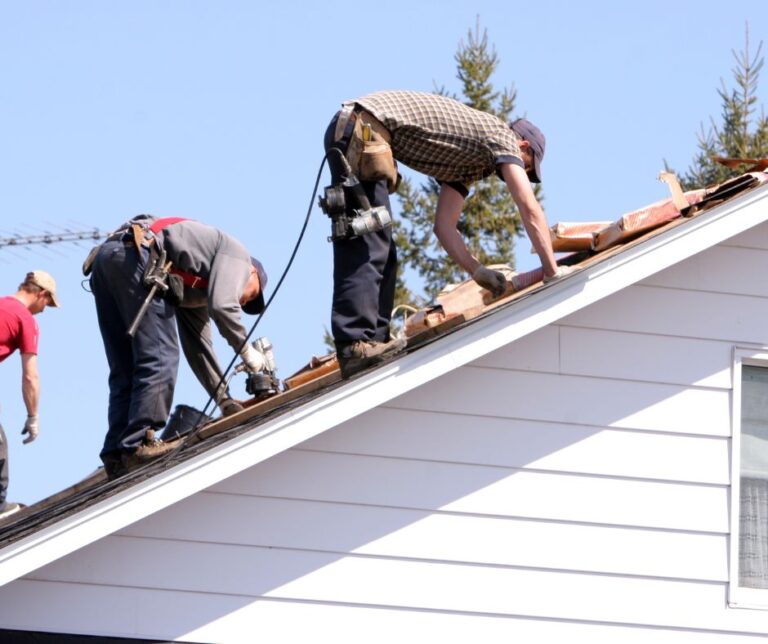
How Seamless Gutter Is Made
What it costs
A straightforward aluminum gutter job on a smaller downtown storefront or converted residential building runs somewhere in the {PRICE_LOW} to {PRICE_HIGH} range. What moves that number: total linear footage, how many corners and outside miters the building has, whether any box gutter repair or relining is part of the scope, gauge and material, aluminum versus copper versus steel, and downspout count and length, especially where a downspout has to route to tie into an existing storm connection rather than daylight at grade. Access also factors in on multi-story downtown buildings where a lift is needed instead of a standard ladder.
Why Homeowners Choose GutterHawk
Common questions
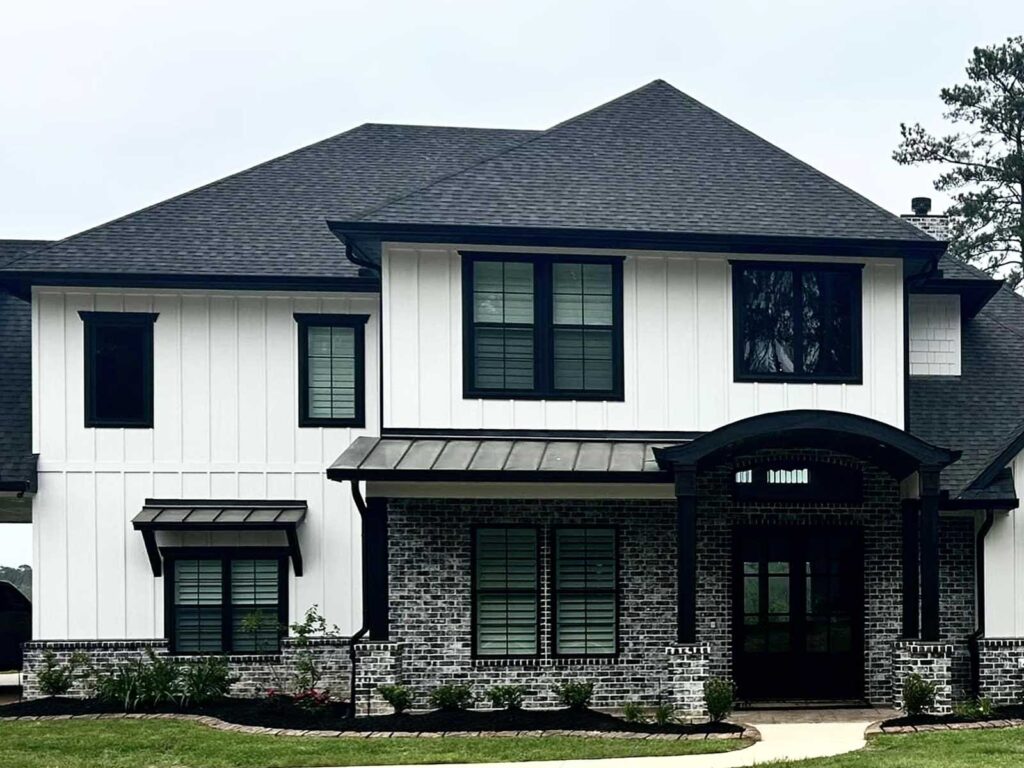
Serving Downtown Tallahassee From Two Locations
GutterHawk works out of two Downtown Tallahassee locations, Shamrock and North Monroe, which keeps scheduling short across the city and out into Leon County. Both teams fabricate and hang seamless gutters in Downtown Tallahassee FL to the same standard. We cover Killearn, Killearn Lakes, Betton Hills, Midtown, Downtown, Myers Park, Maclay, Bobbin Brook, Live Oak Plantation, Timberlane, Woodgate, Foxcroft, Bull Run, Apalachee Ridge, Ox Bottom, Golden Eagle, Southwood, Buck Lake, and Havana.
Get a Seamless Gutter Quote
If your gutters leak at the joints every ten feet, they are sectional and they are telling you what they are. Call GutterHawk at 850-779-1081 for seamless gutters in Downtown Tallahassee FL and we will measure, size, and price them properly.
Frequently Asked Questions
Q.1 Are seamless gutters completely jointless?
No. Corners, outlets, and end caps are still joints. What is removed is the seams along straight runs.
Q.2 Aluminium or copper?
Aluminium for nearly everyone. Copper for period homes where appearance justifies several times the cost.
Q.3 K-style or half-round?
K-style carries more water for its size. Half-round suits historic homes and sheds debris better.
Q.4 Do I need 5 inch or 6 inch?
It depends on the roof area and pitch draining into each run. Many homes here need 6 inch.
Q.5 Can you match my existing trim colour?
Yes. Aluminium coil comes in a wide range of factory colours.
Q.6 How long does installation take?
Most homes are a single day, including removing the old system.
Q.7 How much do seamless gutters in Downtown Tallahassee FL cost?
Priced per linear foot, varying with material, gauge, size, and height. We quote after measuring.
Working With Us Is Easy
01.
Request Your Quote
Getting the process started is easy! Simply fill out our quick form or call us at 850-656-4295. One of our friendly staff members will get in touch to finalize the details.
02.
We Work On Your Estimate
One of our expert estimators will get to to work analyzing your job and crafting a proposal. Of course, we’re here to answer any questions you may have.
03.
GutterHawk Gets To Work!
Contact Us
Have questions about your roof? Do you need information on gutter maintenance plans? No matter the question, GutterHawk is here to help!