GutterHawk Roofing & Gutter Specialists


- About
- Roofing
- Gutters
- Areas Served
Killearn Estates
Killearn Acres
Bradfordville
Betton Hills
Lafayette Park
Southwood
Killearn Lakes Plantation
OX Bottom Manor
Summerbrooke
Golden Eagle
Foxcroft
Bull Run
Waverly Hills
Buck Lake Mahan
Piney-Z
Apalachee Ridge Estates
Myers Park
Maclay
Bobbin Brook
Live Oak Plantation
Timberlane
Woodgate
Lake Jackson
Meridian Hills
Midtown
Downtown Tallahassee
Havana
- Financing
- Testimonials
- Recent Projects
- About
- Roofing
- Gutters
- Areas Served
Killearn Estates
Killearn Acres
Bradfordville
Betton Hills
Lafayette Park
Southwood
Killearn Lakes Plantation
OX Bottom Manor
Summerbrooke
Golden Eagle
Foxcroft
Bull Run
Waverly Hills
Buck Lake Mahan
Piney-Z
Apalachee Ridge Estates
Myers Park
Maclay
Bobbin Brook
Live Oak Plantation
Timberlane
Woodgate
Lake Jackson
Meridian Hills
Midtown
Downtown Tallahassee
Havana
- Financing
- Testimonials
- Recent Projects
Gutter Repair in Midtown, FL
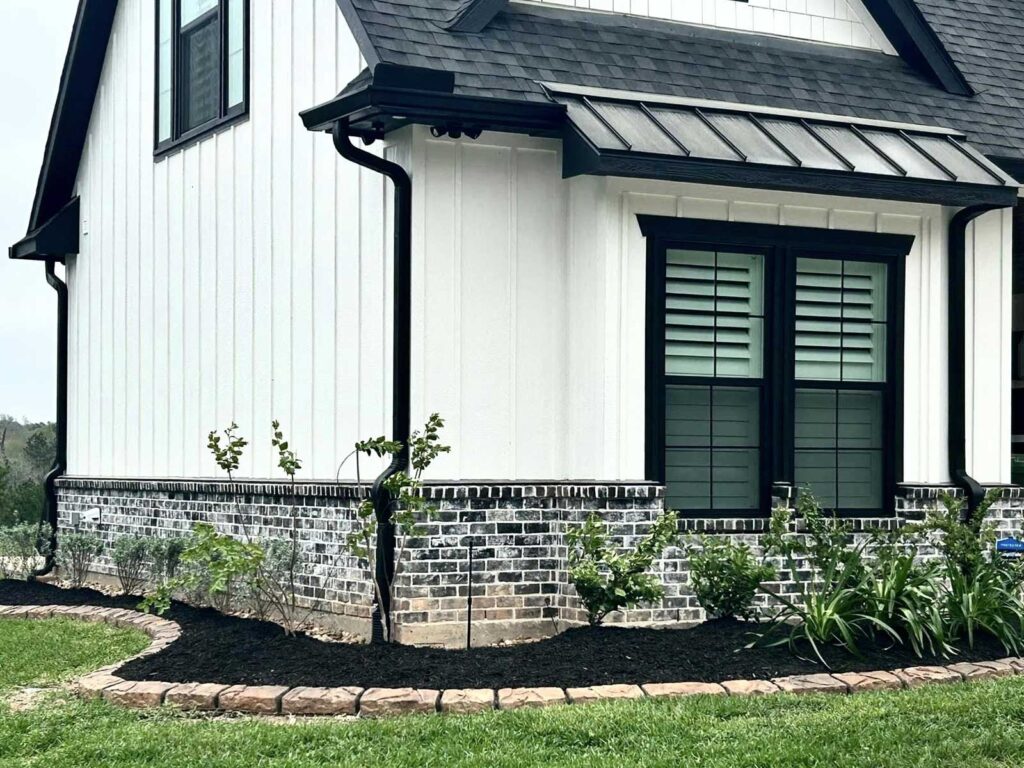
A gutter that has pulled away from the fascia on a Midtown bungalow usually didn’t fail overnight. It let go a screw at a time, one storm at a time, until the hanger spacing couldn’t carry the water anymore. If you’re seeing a run sag in the middle or watching water sheet off a corner seam instead of running to the downspout, that’s a repair job, not a full replacement, in most cases.
Repairs We Handle
- Sagging and pulling away — usually failed hangers, too few of them, or fascia that has softened and stopped holding screws.
- Leaking seams and corners — joints and mitres where the sealant has aged out. Common on older sectional gutter, and re-sealable.
- Detached or damaged downspouts — reattaching, replacing crushed sections, and fixing the elbows that get knocked off by mowers and cars.
- Incorrect pitch — water standing in the gutter after rain, which means the fall has shifted or was never right. We re-hang to correct slope.
- Holes, splits, and storm damage — patching where it makes sense, replacing the section where it does not.
- Loose or missing end caps — small parts, disproportionate amount of water on the ground.
- Overflow at valleys — where a roof valley dumps concentrated water into one spot. Often solved with a splash guard rather than new gutter.
Why Gutters Fail Here
Gutter Repair in Midtown
We handle the failure modes that show up on gutters that are otherwise sound: sections pulling away from the fascia board, hangers that have backed out or rusted through, joints and end caps that have opened up and started leaking at the seam, and runs that overflow during a hard rain because the pitch has gone flat in one spot. This is repair work aimed at a specific problem, not a whole-house gutter swap.
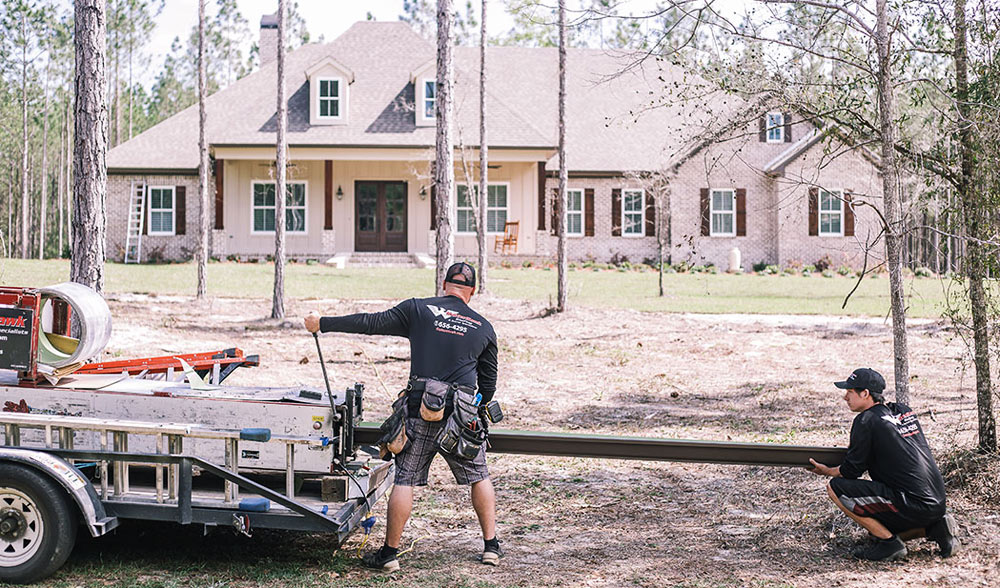
Most of what we see in this part of town is mechanical failure, not material failure. The aluminum itself is usually fine. What’s failed is the fastening system or a seam that was never sealed right to begin with. We re-hang sagging sections with proper hanger spacing, reseal or re-lap failed seams, replace corroded fasteners, and correct pitch where water is standing instead of draining. If a short section is too damaged to save, we cut it out and splice in new material rather than replacing the full run.
When Repair Stops Making Sense
What Midtown homes are dealing with
Midtown sits close in on the Monroe corridor, and the housing stock reflects it. A lot of these homes are older, with the low-slope composition roofs and modest overhangs typical of mid-century Midtown construction, mixed in with newer infill and renovated properties that have gone up as the area has filled in. Older fascia boards here have often taken decades of Midtown humidity, and gutters hung on wood that’s started to soften don’t hold their fasteners the way they should. That’s a common root cause behind the sagging we get called out for.
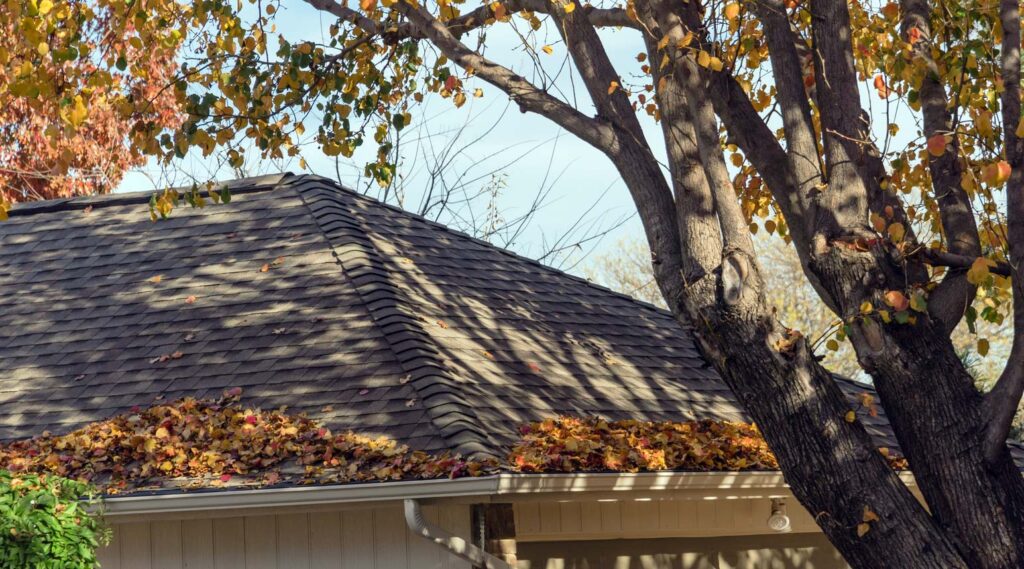
The tree canopy is another factor. Mature oaks and pines along the interior streets drop a steady load of leaves and pine needles into open gutters most of the year, not just in fall. A gutter that’s carrying a mat of debris weighs a lot more than an empty one, and that added weight is what pulls a marginal hanger loose. Add a summer afternoon downpour on top of a clogged run and you get overflow at the seams before the water ever reaches the downspout. Lot sizes in Midtown tend to be smaller and closer to the street than in the newer subdivisions further out, so drainage off a failing gutter run is more likely to end up on a walkway or a neighbor’s fence line than soaking into open yard. We don’t have a blanket answer on HOA rules here since coverage varies by street and by individual property, so check your own deed restrictions before any exterior work if you’re not sure.
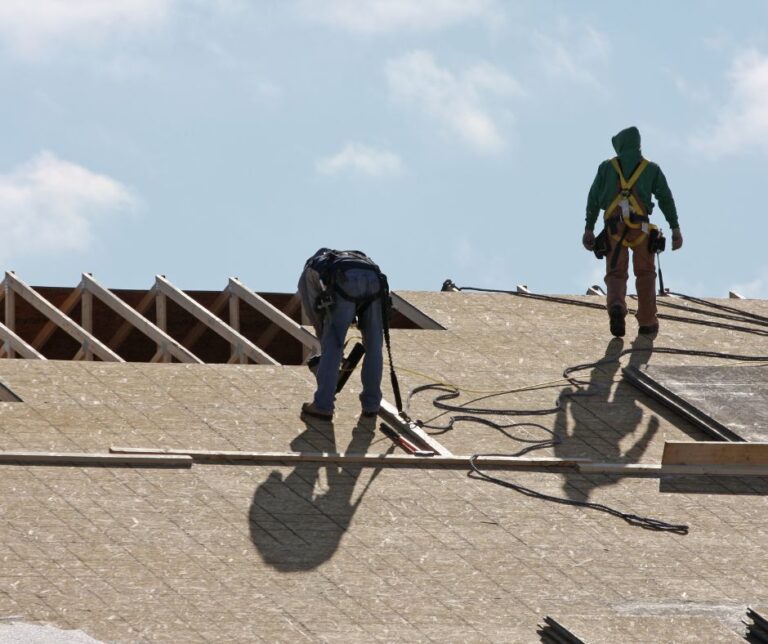
The Gutter Repair in Midtown FL Process
How the job runs
We start with a walk of the fascia line, not just the gutter itself, because a repair that ignores soft wood underneath will fail again inside a season. We check hanger spacing, look at every seam and end cap, and run water to find where it’s actually pooling instead of guessing from the ground.
Once we know what’s failing, we re-hang, resplice, or reseal the affected sections the same day in most cases. If we find fascia rot that needs attention before the gutter can be properly secured, we’ll tell you before we start, not after. On your end, all we need is clear access to the affected side of the house and vehicles moved out of the driveway or work area. We clean up all fasteners and debris before we leave.
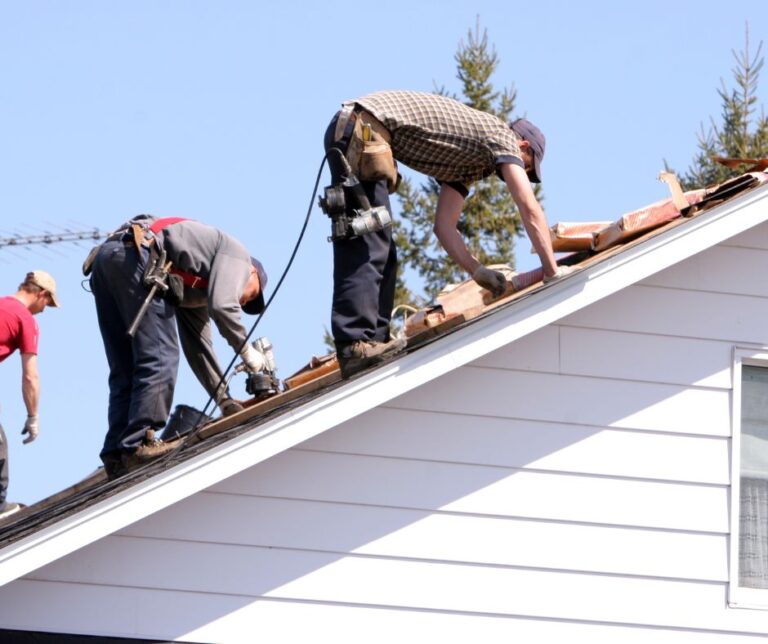
The Damage a Failing Gutter Causes
What it costs
A straightforward repair, one or two sections re-hung or a seam resealed, typically runs in the {PRICE_LOW} to {PRICE_HIGH} range. What moves that number is how much fascia has to be addressed underneath, how many linear feet are affected, whether the gutters are standard aluminum or a heavier gauge, and how accessible the run is given roof pitch and height. We give a firm number after we’ve looked at the actual damage, not a phone estimate.
What Gutter Repair Costs
Common questions
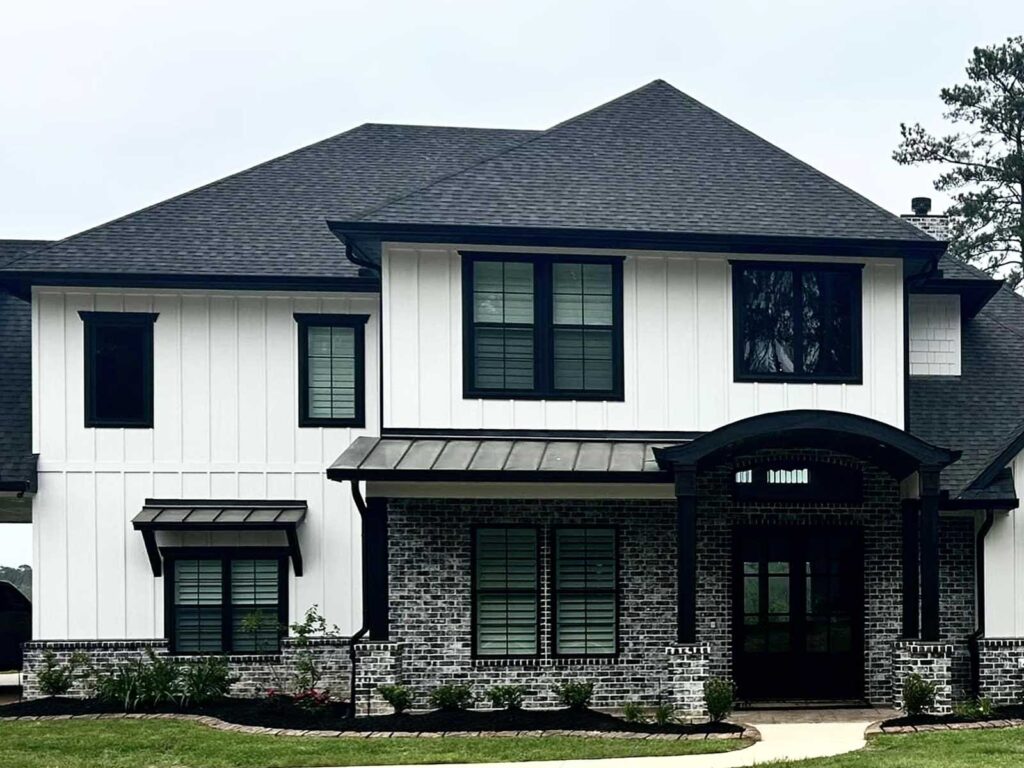
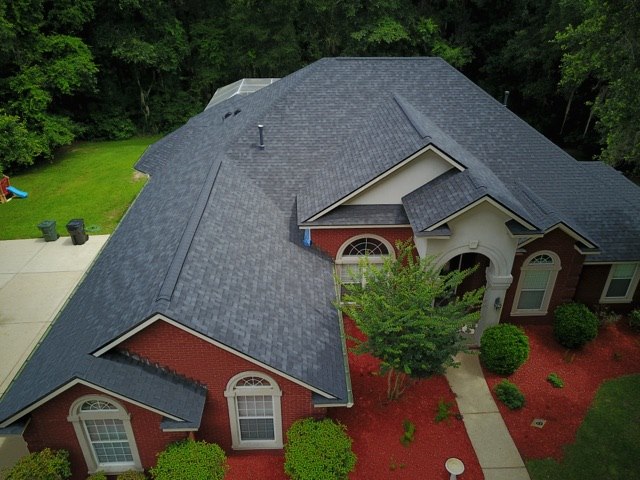
Why Homeowners Choose GutterHawk
We repair the cause, not the symptom, which means we look at the fascia and the hangers rather than putting sealant on a leak and driving away. Every gutter repair in Midtown FL we do is water-tested before we leave and carries a written workmanship warranty. We are licensed and insured, we handle the roof edge and fascia as part of the same system, and our crews are local.
Book a Gutter Repair
If a section is sagging, leaking, or hanging off the house, it will not get better on its own and the fascia behind it is paying for the delay. Call GutterHawk at 850-779-1081 for gutter repair in Midtown FL.
Frequently Asked Questions
Q.1 Why do my gutters overflow even when they are clean?
Usually they are undersized for the roof draining into them. Cleaning will not fix that.
Q.2 Can a sagging gutter be re-hung rather than replaced?
Often yes, if the fascia behind it is still sound enough to hold fasteners.
Q.3 Can leaking seams be resealed?
Yes on a sound system. Leaks every few feet on old sectional gutter point to replacement instead.
Q.4 Do you repair the fascia too?
Yes. There is no point hanging gutter on wood that will not hold a screw.
Q.5 How quickly can you come out?
Usually within a few days. Storm damage and anything hanging loose gets prioritised.
Q.6 Do you repair gutters you did not install?
Yes, on any system.
Q.7 How much does gutter repair in Midtown FL cost?
Small repairs are inexpensive. Fascia work and re-hanging cost more. We price on site in writing.
Working With Us Is Easy
01.
Request Your Quote
Getting the process started is easy! Simply fill out our quick form or call us at 850-656-4295. One of our friendly staff members will get in touch to finalize the details.
02.
We Work On Your Estimate
One of our expert estimators will get to to work analyzing your job and crafting a proposal. Of course, we’re here to answer any questions you may have.
03.
GutterHawk Gets To Work!
Contact Us
Have questions about your roof? Do you need information on gutter maintenance plans? No matter the question, GutterHawk is here to help!