GutterHawk Roofing & Gutter Specialists


- About
- Roofing
- Gutters
- Areas Served
Killearn Estates
Killearn Acres
Bradfordville
Betton Hills
Lafayette Park
Southwood
Killearn Lakes Plantation
OX Bottom Manor
Summerbrooke
Golden Eagle
Foxcroft
Bull Run
Waverly Hills
Buck Lake Mahan
Piney-Z
Apalachee Ridge Estates
Myers Park
Maclay
Bobbin Brook
Live Oak Plantation
Timberlane
Woodgate
Lake Jackson
Meridian Hills
Midtown
Downtown Tallahassee
Havana
- Financing
- Testimonials
- Recent Projects
- About
- Roofing
- Gutters
- Areas Served
Killearn Estates
Killearn Acres
Bradfordville
Betton Hills
Lafayette Park
Southwood
Killearn Lakes Plantation
OX Bottom Manor
Summerbrooke
Golden Eagle
Foxcroft
Bull Run
Waverly Hills
Buck Lake Mahan
Piney-Z
Apalachee Ridge Estates
Myers Park
Maclay
Bobbin Brook
Live Oak Plantation
Timberlane
Woodgate
Lake Jackson
Meridian Hills
Midtown
Downtown Tallahassee
Havana
- Financing
- Testimonials
- Recent Projects
Commercial Roofing in Waverly Hills, FL
Waverly Hills sits on the east/southeast side of Waverly Hills, and the commercial buildings scattered through that block skew toward small-footprint offices, medical suites, and strip retail with low-slope roofs rather than the steep-pitch stock that dominates the surrounding residential streets. A flat TPO roof on a building tucked under pine canopy behaves nothing like a shingle roof three streets over, and it needs a contractor who treats it that way instead of quoting it like a house.
Systems We Work With
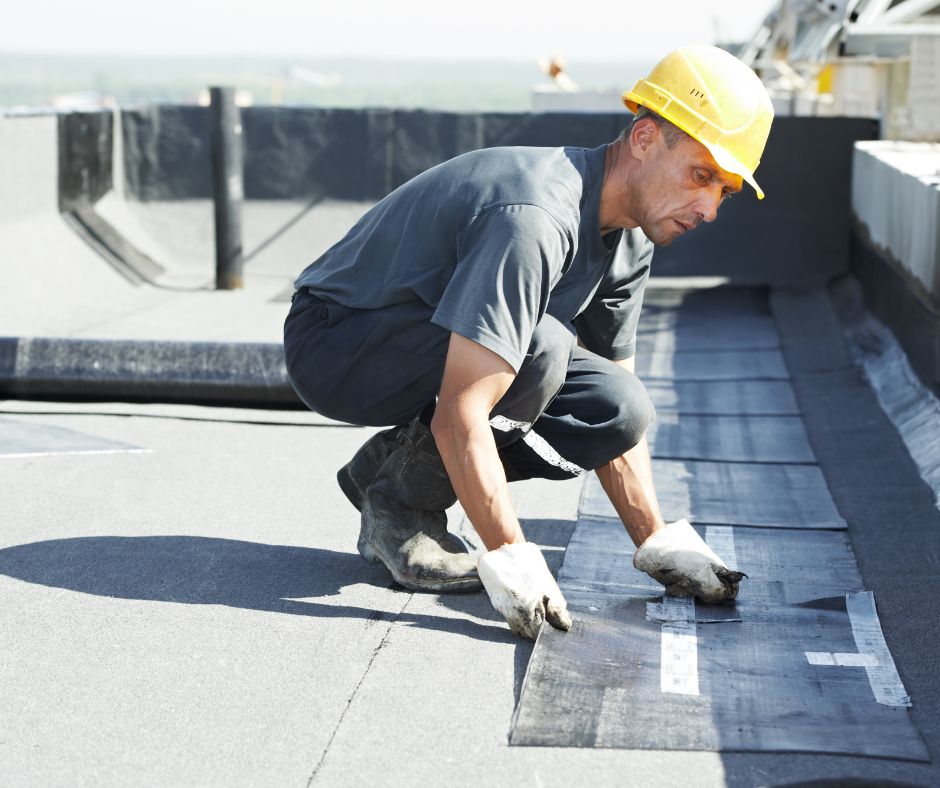
- TPO — single-ply thermoplastic membrane, heat-welded at the seams. Reflective, well suited to Florida heat, and the most common choice on new low-slope work now.
- Modified bitumen — torch-applied or self-adhered rolled roofing in multiple plies. Tough underfoot, which suits roofs with regular equipment access.
- EPDM — rubber membrane, long-established and reliable, though the dark surface absorbs more heat than TPO does.
- Metal — standing seam and structural panel systems on sloped commercial buildings, warehouses, and agricultural structures.
- Built-up roofing — the traditional multi-ply and gravel system, still on plenty of older Waverly Hills buildings and still repairable.
- Roof coatings — silicone and acrylic systems that extend the life of an existing roof rather than replacing it, where the substrate is sound enough to justify it.

Where Commercial Roofs Actually Fail
Commercial Roofing in Waverly Hills
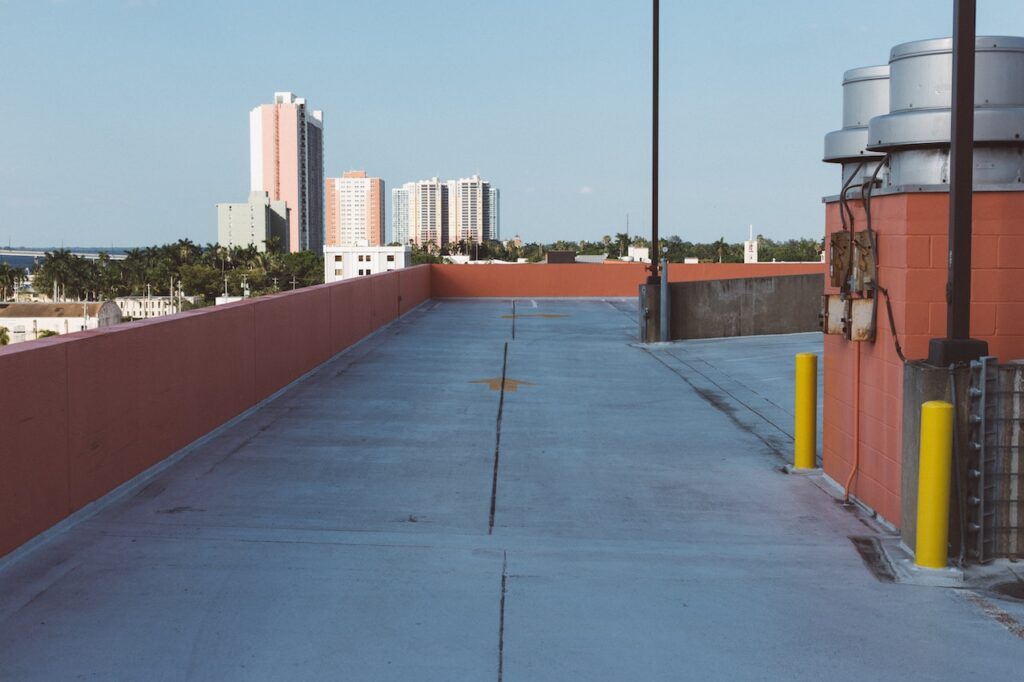
This page covers low-slope and flat commercial roof systems: TPO membrane, modified bitumen, and built-up roofing on office buildings, retail units, and small commercial plazas in and around Waverly Hills. It is not residential shingle work, and it is not a steep-slope repair page. If you manage or own a building here with a mechanically fastened or fully adhered membrane, ballasted system, drains, scuppers, or a parapet wall, this is the service that applies.
GutterHawk works with property managers who need a roof handled on a schedule that does not interrupt tenants, and with owners who want a straight assessment of whether a membrane needs a patch, a recover, or a full tear-off. Work is scoped to the membrane manufacturer’s installation requirements and to the applicable Florida Building Code sections for commercial low-slope assemblies. We do not quote wind uplift numbers or code language as marketing copy. We tell you what the roof needs and why.
Typical work includes membrane inspection and repair, seam and flashing repair around HVAC curbs and penetrations, drain and scupper clearing, parapet cap and coping repair, and full membrane replacement when a roof is past the point where patching makes sense. Every job gets photo documentation of the deck and membrane condition before and after, which matters if you are reporting to an owner, an insurer, or a board.
Warranties on a Commercial Roof
What Waverly Hills homes are dealing with
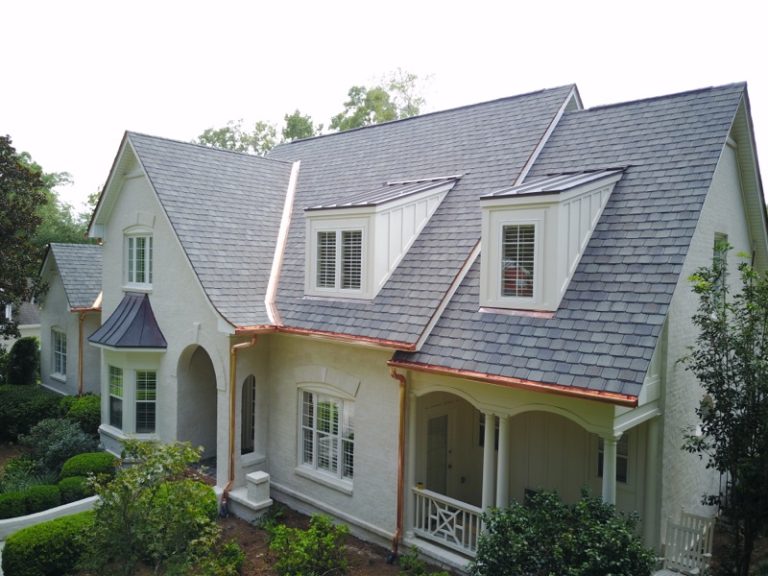
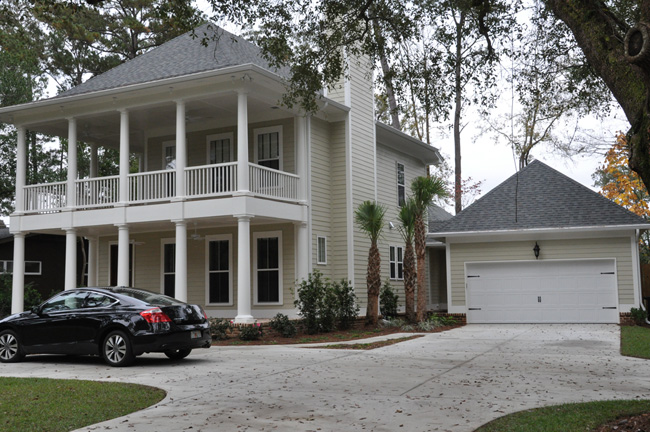
The residential stock around Waverly Hills runs from older brick ranch houses put up in the 1950s through the 1970s to newer infill and subdivision-style construction closer to the Thomasville Road corridor. That matters for commercial roofing here because most of the low-slope commercial buildings in this pocket were built to serve that residential base, and they are similarly aged: small commercial roofs put on decades ago, re-covered once or twice since, often with a membrane system that is now well past its practical service life. Pine canopy is heavy through this part of Waverly Hills, and needle drop collects on flat roofs at drains and low points the same way it packs into residential gutters, which slows drainage and holds moisture against the membrane longer than it should sit.
Drainage and grade around these buildings vary block to block. Some sit with adequate slope to interior or perimeter drains, others have low spots that pond after the summer afternoon storms that roll through Waverly Hills from June into September, and a membrane that ponds regularly ages faster than one that sheds water. North-facing slopes and shaded parapet walls in this area also pick up algae and biological staining from the humidity, which is a cosmetic issue on a flat roof but can be a sign of a membrane holding moisture it shouldn’t. Waverly Hills does not have a uniform HOA governing commercial exterior work the way some residential subdivisions do, so most decisions on roof scope and timing come down to the owner or the managing entity rather than an architectural review board, which generally lets a roof job move faster once it’s scoped.
The Commercial Roofing in Waverly Hills FL Process
How the job runs
Day one starts with a full roof walk: membrane condition, seam integrity, flashing at every penetration, drain and scupper function, and a check of the deck for soft spots from the interior if access allows. We document ponding areas and note where needle and debris buildup is contributing to slow drainage. You get a written scope, not a verbal estimate, before any work starts.
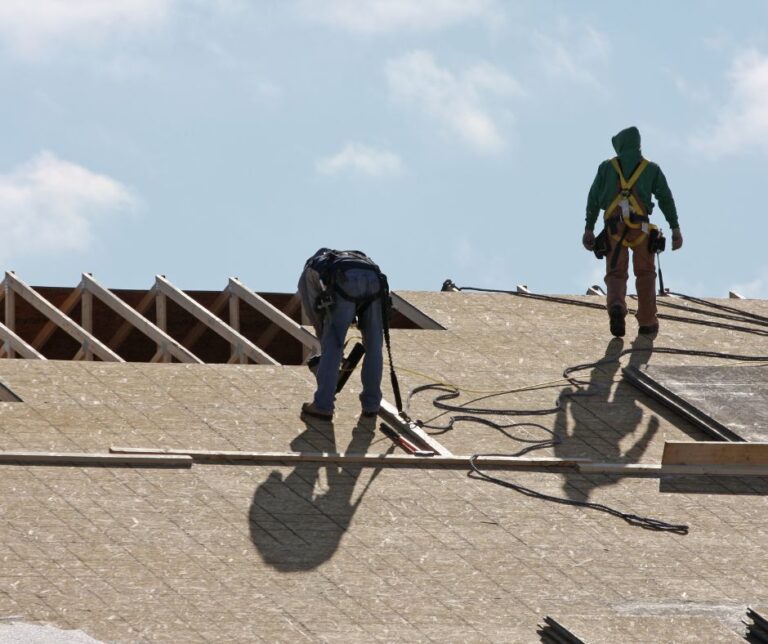
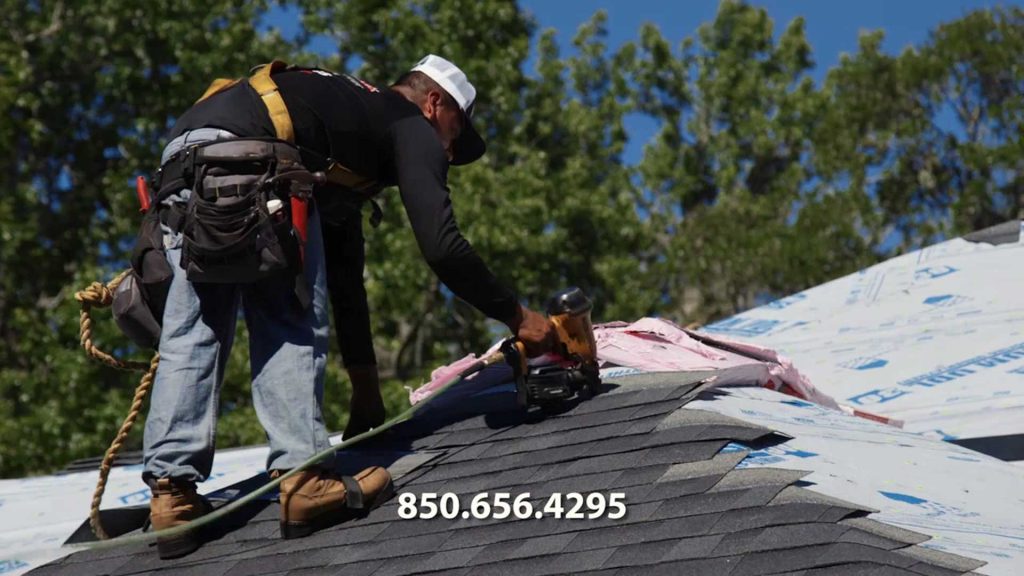
If the job is repair or a targeted recover, the crew works in sections so the building stays weathertight overnight, which matters during hurricane season when storm timing is unpredictable. If it’s a full tear-off and replacement, we coordinate the schedule around tenant access, deliveries, and any rooftop equipment that needs to stay operational. Your side of it is simple: give us access to the roof and any rooftop units, keep us posted on tenant hours if the building is occupied, and flag any interior leak history you’re aware of so we can check those spots directly instead of guessing.
What Commercial Roofing Costs
What it costs
Commercial roof work in Waverly Hills runs {PRICE_LOW} to {PRICE_HIGH} depending on the scope. A membrane patch or drain clearing sits at the low end. A full tear-off and TPO replacement on a larger footprint, or work that includes rebuilding parapet flashing and multiple roof drains, pushes toward the high end. Roof size, deck condition once we’re into it, the amount of ponding damage already present, and how many penetrations need new flashing all move the number. We give you a firm number after the roof walk, not before.
Commercial or Residential?
Common questions
Why Businesses Choose GutterHawk
We are licensed and insured for commercial roofing work in Florida, we carry the certificates your property manager will ask for, and our crews are local, which matters when a warranty call needs answering in a week rather than a quarter. Every commercial roofing in Waverly Hills FL project comes with a written workmanship warranty alongside the manufacturer system warranty, and we register that warranty properly rather than leaving you to discover at year eight that nobody filed it.
Request a Roof Survey
If you are budgeting for a replacement, chasing a recurring leak, or you have inherited a roof with no records, start with a survey. Call GutterHawk at 850-779-1081 for commercial roofing in Waverly Hills FL and we will tell you what you actually have and what it needs.
Frequently Asked Questions
Q.1 Can you work without shutting the building?
Yes. We stage the work so the building keeps operating and no section is left open overnight.
Q.2 Is a roof coating a real alternative to replacement?
Where the substrate is sound, yes. It buys ten to fifteen years at a fraction of the cost.
Q.3 How often should a commercial roof be inspected?
Twice a year, plus after any significant storm. Most manufacturer warranties require documented inspections.
Q.4 Why is water still sitting on my roof two days after rain?
Blocked drains or failed slope. Either way it needs addressing before the membrane degrades.
Q.5 Do you provide certificates of insurance for property managers?
Yes, as standard, before work begins.
Q.6 Can you work nights or weekends?
Yes. Tell us at quote stage, since it affects scheduling and price.
Q.7 How much does commercial roofing in Waverly Hills FL cost?
It is priced per square foot and depends on system, tear-off, and access. We quote after surveying the roof.
Working With Us Is Easy
01.
Request Your Quote
Getting the process started is easy! Simply fill out our quick form or call us at 850-656-4295. One of our friendly staff members will get in touch to finalize the details.
02.
We Work On Your Estimate
One of our expert estimators will get to to work analyzing your job and crafting a proposal. Of course, we’re here to answer any questions you may have.
03.
GutterHawk Gets To Work!
Contact Us
Have questions about your roof? Do you need information on gutter maintenance plans? No matter the question, GutterHawk is here to help!