GutterHawk Roofing & Gutter Specialists


- About
- Roofing
- Gutters
- Areas Served
Killearn Estates
Killearn Acres
Bradfordville
Betton Hills
Lafayette Park
Southwood
Killearn Lakes Plantation
OX Bottom Manor
Summerbrooke
Golden Eagle
Foxcroft
Bull Run
Waverly Hills
Buck Lake Mahan
Piney-Z
Apalachee Ridge Estates
Myers Park
Maclay
Bobbin Brook
Live Oak Plantation
Timberlane
Woodgate
Lake Jackson
Meridian Hills
Midtown
Downtown Tallahassee
Havana
- Financing
- Testimonials
- Recent Projects
- About
- Roofing
- Gutters
- Areas Served
Killearn Estates
Killearn Acres
Bradfordville
Betton Hills
Lafayette Park
Southwood
Killearn Lakes Plantation
OX Bottom Manor
Summerbrooke
Golden Eagle
Foxcroft
Bull Run
Waverly Hills
Buck Lake Mahan
Piney-Z
Apalachee Ridge Estates
Myers Park
Maclay
Bobbin Brook
Live Oak Plantation
Timberlane
Woodgate
Lake Jackson
Meridian Hills
Midtown
Downtown Tallahassee
Havana
- Financing
- Testimonials
- Recent Projects
Metal Roofing in Timberlane, FL
Timberlane Road runs under a pine and live oak canopy thick enough that some driveways stay damp until midafternoon even on clear days. That shade is a mixed blessing for a roof deck. It keeps attic temperatures down in July, but it also means the north-facing slopes on a lot of these homes never fully dry out between storms, and asphalt shingles up there streak and lose granules faster than they do on an open lot out toward the newer subdivisions.
Metal roofing changes that equation because it doesn’t hold moisture against a mat the way shingles do, and it sheds pine debris instead of trapping it in the valleys.
Types of Metal Roofing We Install
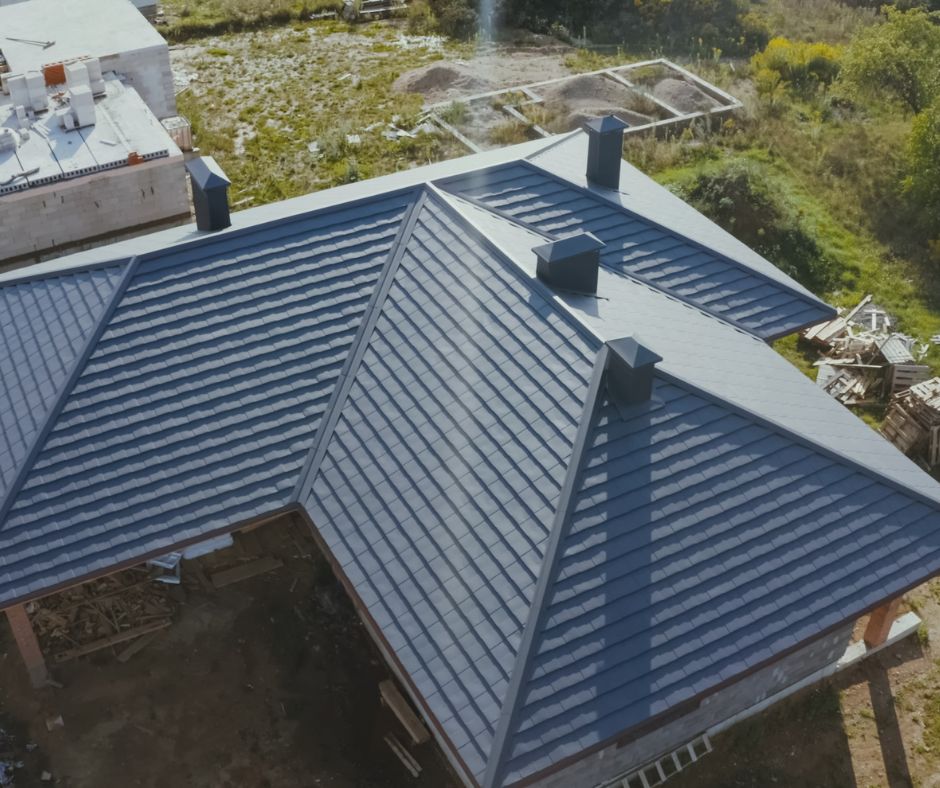
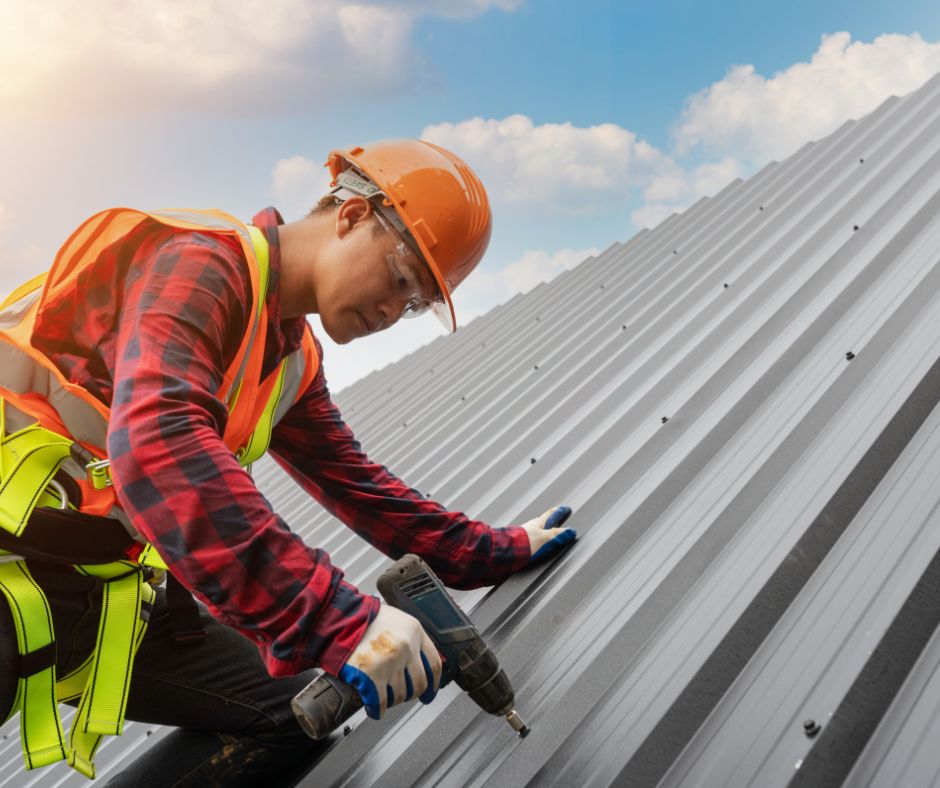
- Standing seam — panels joined by raised seams with the fasteners hidden underneath. No exposed screws means nothing to back out or leak. This is the premium option and the one we recommend most often.
- 5V crimp — the classic Florida panel, fastened through the face with exposed screws and neoprene washers. Less expensive than standing seam, and a long-standing look on older homes here.
- Corrugated and R-panel — ribbed exposed-fastener panels, common on outbuildings, workshops, and agricultural structures, and the most economical way to cover a large simple roof.
- Metal shingles and tiles — stamped panels that read as shingle or tile from the street while performing like metal. Useful where an HOA has opinions about appearance.
- Low-slope metal systems — for roofs too shallow for standard panels, using seam and flashing details built for the pitch.
The Metal Roofing in Timberlane FL Process
Metal Roofing in Timberlane
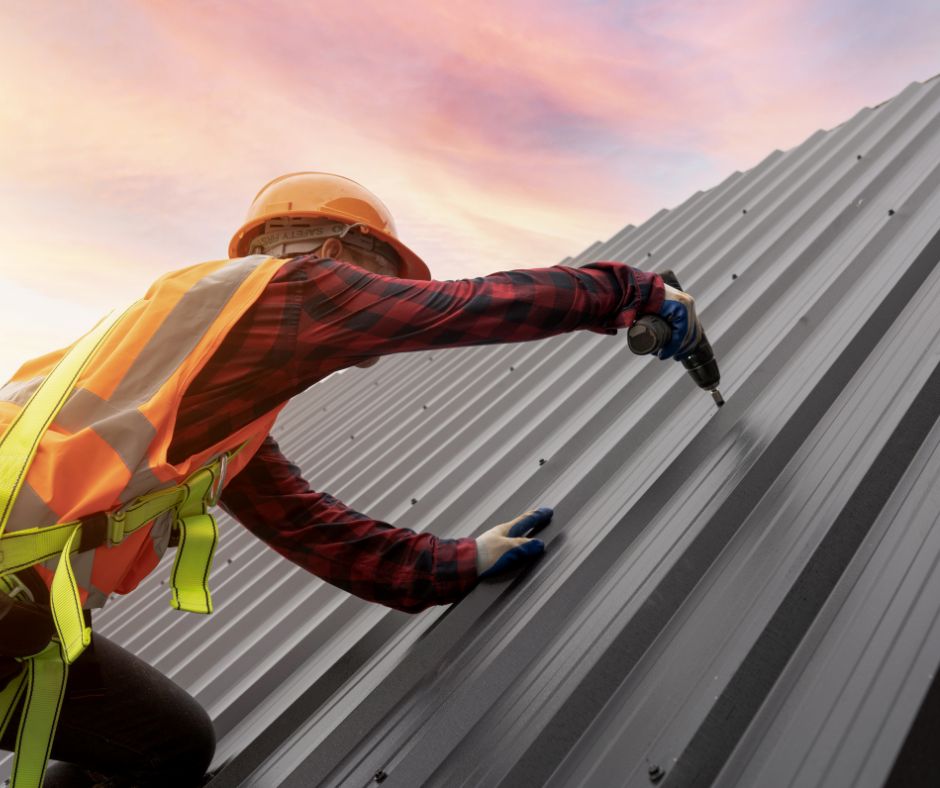
Standing seam is the panel system we install most often in this part of Leon County, and it’s the one that makes sense on the pitches you find on Timberlane’s ranch and split-level houses. The seams run vertical, they’re mechanically or clip-fastened rather than through-fastened, and there’s no exposed screw head sitting out in the weather waiting to back out or leak. For lower-slope sections, tie-ins, or porch roofs we’ll sometimes spec a screw-down panel profile instead, which costs less installed but does need periodic fastener checks over its life.
Panel gauge and finish matter more here than most homeowners expect. A heavier gauge panel resists hail bruising and oil-canning better, and a Kynar or comparable coating holds color against the UV load Timberlane gets from May through September. We also detail every roof to shed wind-driven rain at the ridge, valleys, and penetrations, because in this part of Florida a metal roof’s failure point is almost never the panel itself, it’s the flashing around a pipe boot, chimney, or skylight that was cut short. Every installation is done to the wind and fastening requirements that apply to this jurisdiction. We don’t quote you a wind rating number on paper before the plans are pulled, because that number depends on your specific roof geometry, deck condition, and the engineered fastening schedule for your address, not on a marketing spec sheet.
Metal Roof Repair and Maintenance
What Timberlane homes are dealing with
Most of the housing stock along Timberlane Road and the streets branching off it dates to the brick ranch and split-level era common across north-central Timberlane, roughly the 1960s through the 1970s, with some later infill. These roofs tend to run low-to-moderate pitch, often 4:12 to 6:12, originally covered in three-tab or early architectural shingle, and the original roof decking on unrenovated homes is frequently 1x sheathing boards rather than modern plywood or OSB. That matters for a metal retrofit because a standing seam system can usually go over sound decking with the right underlayment, but if the boards have gapped or rotted from decades of moisture cycling under a leaking shingle roof, we’re replacing decking before a single panel goes down.
The tree canopy is the other constant. Pines and mature oaks overhang a large share of the lots here, and that means needle drop into valleys and gutters year-round, plus limb strikes during summer thunderstorms and the occasional named storm. Metal sheds needles far better than shingle, but the gutters and downspouts feeding off a metal roof still need attention, because the volume of water coming off a slick standing seam panel during a Timberlane downpour is higher and faster than off shingle, and undersized or clogged gutters get overwhelmed quicker. Drainage and grading on these older lots also varies house to house. Some have been regraded over the years, some still shed water toward the foundation the way they did when they were built, and we look at that during the same site visit as the roof itself. We’re not aware of an active HOA architectural review process governing exterior work in this section of Timberlane, but if your specific street or association does require exterior approval, that’s on the homeowner to confirm before we schedule.
What Metal Roofing Costs in Timberlane
How the job runs
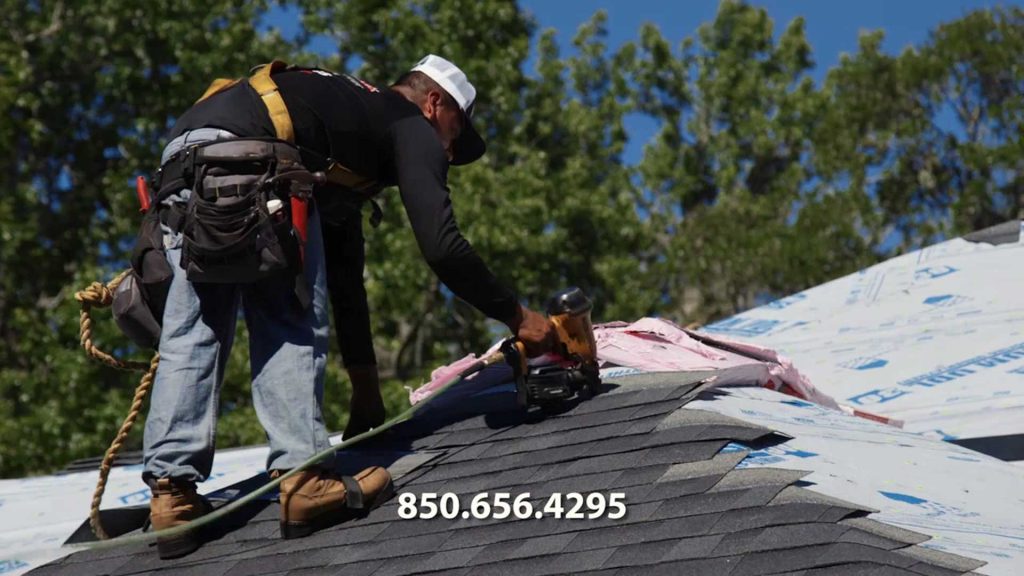
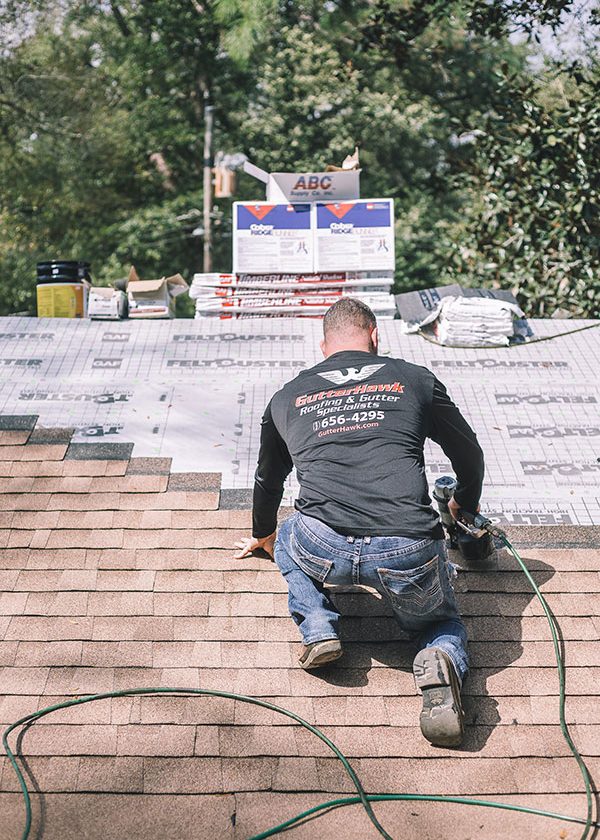
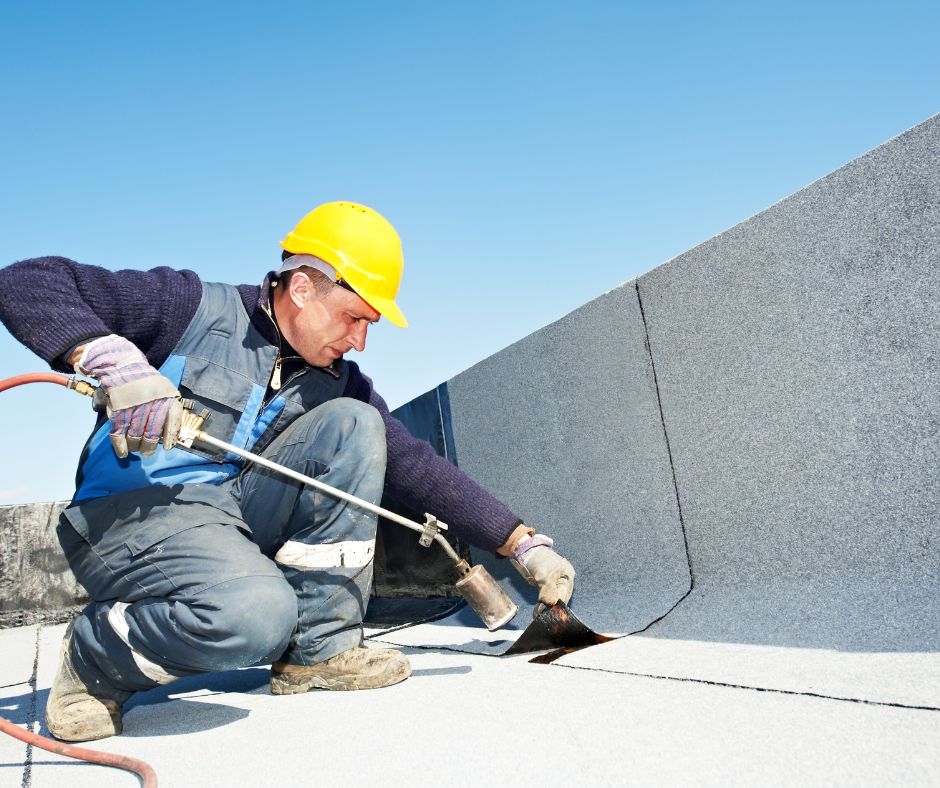
Day one starts with a full tear-off if you’re converting from shingle, or a deck inspection if the metal is going over an existing structure that qualifies. We pull permits through Leon County before any material shows up, and we don’t start panel installation until that permit is in hand. Once the old roofing is off, the crew inspects every square foot of decking, replaces anything soft or delaminated, and installs synthetic underlayment rated for use under metal along with the ice and water shield we run at eaves, valleys, and penetrations.
Panels go on in the order the roof geometry dictates, usually starting at an eave and working toward a ridge, with each panel snapped or clipped to the one before it. Flashing at chimneys, vent stacks, and wall transitions gets custom bent and sealed rather than pulled off a shelf part. We clean up as we go, magnet-sweep the yard and driveway for stray fasteners daily, and haul the old roofing off site rather than leaving a dumpster parked for the length of the job. On your end, the main thing we need is clear access to the property and vehicles moved off the driveway for delivery and staging. If you’ve got pets, plan on keeping them inside or off-site during tear-off, since that’s the loudest and most disruptive part of the process.
Metal, Shingle, or Something Else?
What it costs
Installed metal roofing in Timberlane generally runs between {PRICE_LOW} and {PRICE_HIGH}, and where you land in that range depends on a handful of specific factors rather than square footage alone. Panel profile is the biggest lever, standing seam costs more installed than exposed-fastener panel. Roof complexity is next, a simple gable roof prices differently than one with multiple valleys, dormers, or a porch tie-in, which is common on the split-level homes here. Deck condition is the wildcard, if we find rotted sheathing under the old shingles, that’s additional material and labor not visible until tear-off starts. Gauge and coating upgrades, and whether your existing gutters need to be resized to handle metal roof runoff, also move the number.
Why Homeowners Choose GutterHawk
Common questions
If you’re weighing a metal roof for a home on or near Timberlane Road, call GutterHawk’s Shamrock team at {PHONE_A}. We’ll walk the roof with you, tell you what the deck actually looks like once we’re up there, and give you a written scope before anything is ordered.
Serving Timberlane From Two Locations
GutterHawk works out of two Timberlane locations, Shamrock and North Monroe, which keeps scheduling short across the city and out into Leon County. Both teams handle metal roofing in Timberlane FL to the same standard. We cover Killearn, Killearn Lakes, Betton Hills, Midtown, Downtown, Myers Park, Maclay, Bobbin Brook, Live Oak Plantation, Timberlane, Woodgate, Foxcroft, Bull Run, Apalachee Ridge, Ox Bottom, Golden Eagle, Southwood, Buck Lake, and Havana.
Get a Metal Roof Quote
If you are weighing metal against another shingle roof, get real numbers for both before deciding. Call GutterHawk at 850-779-1081 for metal roofing in Timberlane FL and we will measure the roof, explain which system fits it, and price it properly.
Frequently Asked Questions
Q.1 How long does a metal roof last here?
Forty years and up for a well-installed system, against fifteen to twenty for asphalt shingles in this humidity.
Q.2 Is a metal roof loud in the rain?
Much less than people expect. Decking and underlayment absorb most of it. Open-framed structures are a different story.
Q.3 Can metal go over my existing shingles?
Sometimes, where code and decking condition allow. We check rather than assume, since it affects both price and warranty.
Q.4 Will a metal roof lower my insurance?
It can, depending on your carrier and the wind rating. Ask your insurer directly, and we will supply the documentation.
Q.5 Does a metal roof attract lightning?
No. Metal does not attract strikes, and it is non-combustible, which is a point in its favour rather than against.
Q.6 Do you repair metal roofs you did not install?
Yes. Fastener replacement, panel work, and seam or flashing repairs on existing metal roofs.
Q.7 How much does metal roofing in Timberlane FL cost?
Two to three times an architectural shingle roof, depending on system and complexity. We quote in writing after measuring.
Working With Us Is Easy
01.
Request Your Quote
Getting the process started is easy! Simply fill out our quick form or call us at 850-656-4295. One of our friendly staff members will get in touch to finalize the details.
02.
We Work On Your Estimate
One of our expert estimators will get to to work analyzing your job and crafting a proposal. Of course, we’re here to answer any questions you may have.
03.
GutterHawk Gets To Work!
Contact Us
Have questions about your roof? Do you need information on gutter maintenance plans? No matter the question, GutterHawk is here to help!