GutterHawk Roofing & Gutter Specialists


- About
- Roofing
- Gutters
- Areas Served
Killearn Estates
Killearn Acres
Bradfordville
Betton Hills
Lafayette Park
Southwood
Killearn Lakes Plantation
OX Bottom Manor
Summerbrooke
Golden Eagle
Foxcroft
Bull Run
Waverly Hills
Buck Lake Mahan
Piney-Z
Apalachee Ridge Estates
Myers Park
Maclay
Bobbin Brook
Live Oak Plantation
Timberlane
Woodgate
Lake Jackson
Meridian Hills
Midtown
Downtown Tallahassee
Havana
- Financing
- Testimonials
- Recent Projects
- About
- Roofing
- Gutters
- Areas Served
Killearn Estates
Killearn Acres
Bradfordville
Betton Hills
Lafayette Park
Southwood
Killearn Lakes Plantation
OX Bottom Manor
Summerbrooke
Golden Eagle
Foxcroft
Bull Run
Waverly Hills
Buck Lake Mahan
Piney-Z
Apalachee Ridge Estates
Myers Park
Maclay
Bobbin Brook
Live Oak Plantation
Timberlane
Woodgate
Lake Jackson
Meridian Hills
Midtown
Downtown Tallahassee
Havana
- Financing
- Testimonials
- Recent Projects
Metal Roofing in Maclay / Maclay Hammock, FL
A lot of the roofline along the Thomasville Road corridor near Maclay Hammock is still three-tab shingle from a build boom that favored fast, cheap coverage over anything that would hold up to forty years of oak leaf litter and afternoon storm cells. When those roofs get replaced now, more owners in this stretch are asking about standing seam instead of another shingle tear-off, mostly because they’ve watched a neighbor’s panel roof shrug off a summer hailstorm that took the granules off everyone else’s.
Types of Metal Roofing We Install
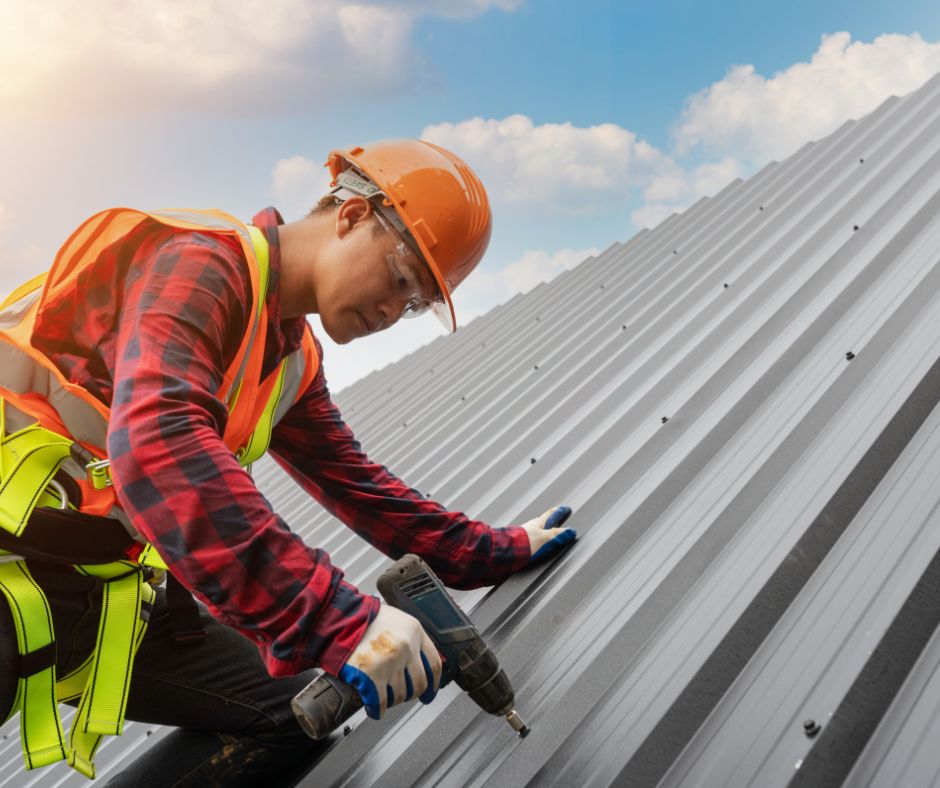
- Standing seam — panels joined by raised seams with the fasteners hidden underneath. No exposed screws means nothing to back out or leak. This is the premium option and the one we recommend most often.
- 5V crimp — the classic Florida panel, fastened through the face with exposed screws and neoprene washers. Less expensive than standing seam, and a long-standing look on older homes here.
- Corrugated and R-panel — ribbed exposed-fastener panels, common on outbuildings, workshops, and agricultural structures, and the most economical way to cover a large simple roof.
- Metal shingles and tiles — stamped panels that read as shingle or tile from the street while performing like metal. Useful where an HOA has opinions about appearance.
- Low-slope metal systems — for roofs too shallow for standard panels, using seam and flashing details built for the pitch.
The Metal Roofing in Maclay / Maclay Hammock FL Process
Metal Roofing in Maclay / Maclay Hammock
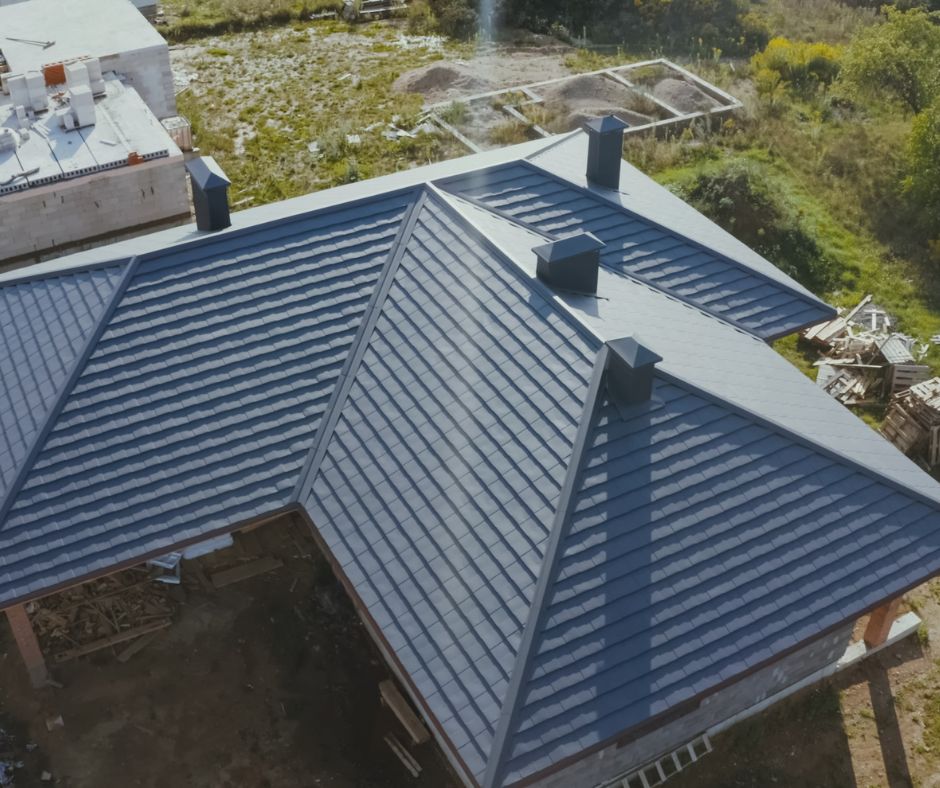
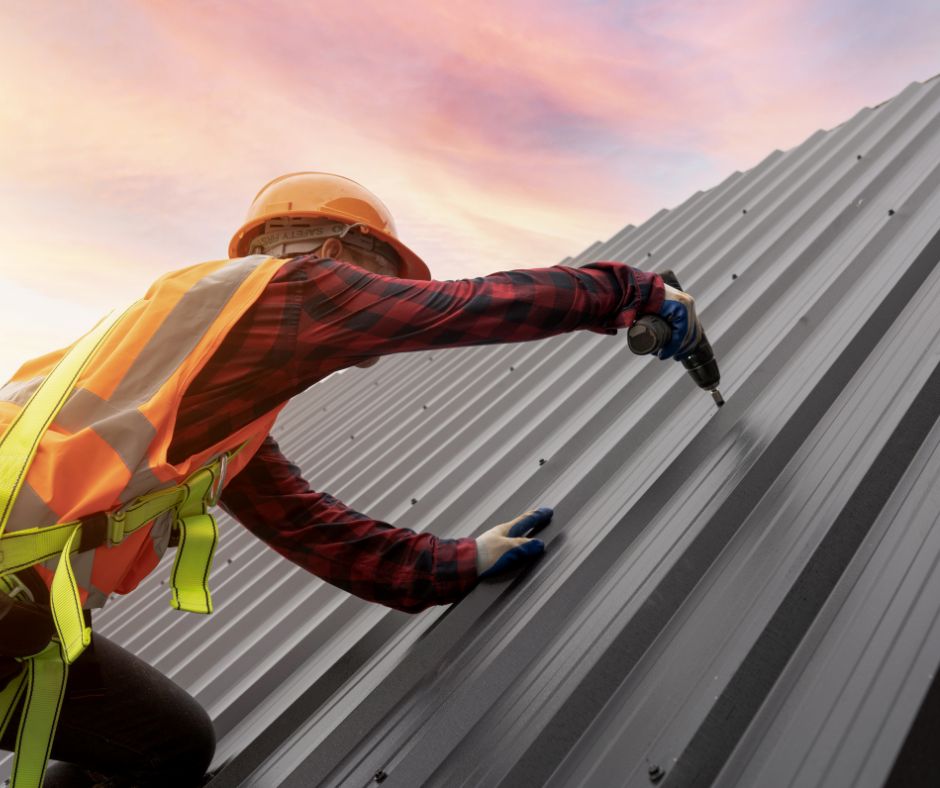
Standing seam is the panel profile we install most in this part of Leon County, and for good reason on this housing stock. The raised interlocking seam keeps fasteners hidden and off the weather-exposed face of the panel, which matters when you’re dealing with the wind-driven rain that comes off a fast-moving summer cell rather than a slow soaking rain. We run panels in 24 and 26 gauge steel depending on the roof and the budget, with Kynar-coated finishes that hold color instead of chalking out in a few summers of Florida UV.
We also install exposed-fastener panel systems (5V and corrugated profiles) on outbuildings, porches, and secondary roofs where the tighter budget makes sense and the fastener maintenance is manageable. What we don’t do is treat every metal roof the same. A standing seam system on a main house roof gets a wind-rated fastening pattern, proper underlayment layering, and closure details at the ridge and eave built to the applicable Florida Building Code requirements for this wind zone. A carport or shed roof doesn’t need the same spec, and pricing it as if it did is how homeowners get oversold.
Every metal roof we put on gets flashed correctly at penetrations, valleys, and any wall transition, because that’s where most metal roof failures actually start. It’s rarely the panel. It’s the flashing detail somebody rushed.
Metal Roof Repair and Maintenance
What Maclay / Maclay Hammock homes are dealing with
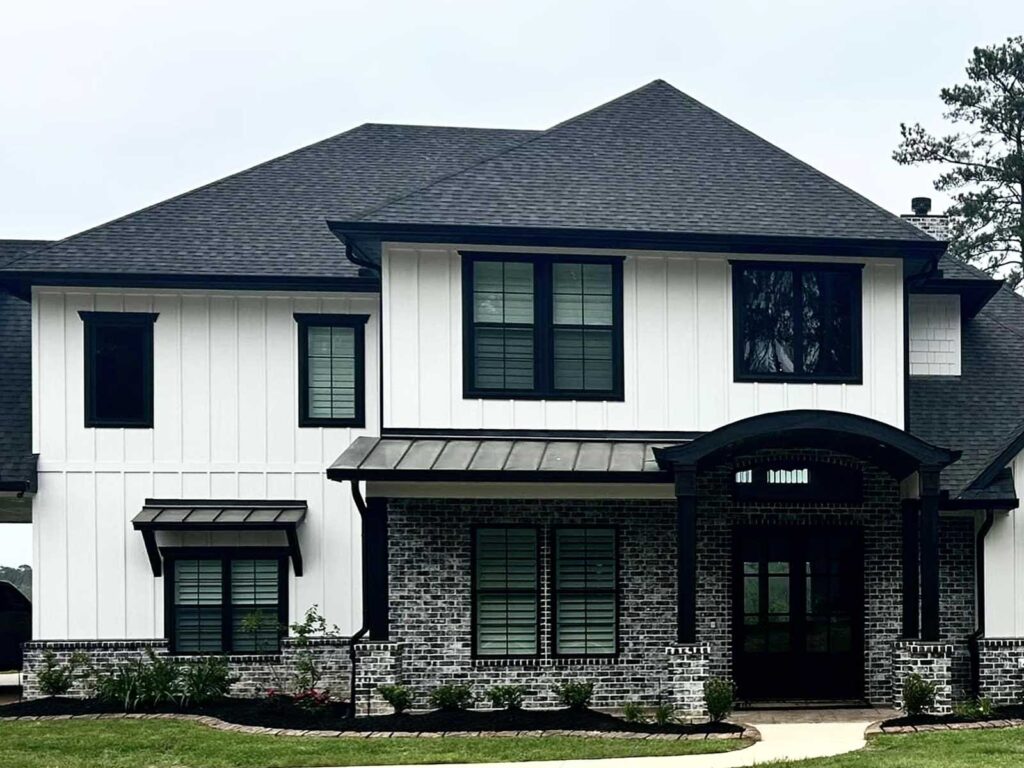
This part of Maclay / Maclay Hammock, tucked along the Thomasville Road spine north of the urban core, mixes older ranch and split-level homes from the 1960s and 70s with newer construction built out through the 80s, 90s, and beyond as the corridor filled in. Roof pitches run moderate to steep depending on the era, and the older stock tends to carry more roof planes and hip framing than the simpler gable roofs you see in newer subdivisions. That means more valleys, more flashing runs, and more places for a standing seam installer to get the details right or wrong.
The tree canopy here is heavy. Live oak and pine dominate the lots, and that means constant leaf and needle drop onto the roof deck and into the gutters year-round, not just in fall. On a shingle roof that debris holds moisture against the granules. On a standing seam roof, the smooth panel surface sheds it far more efficiently, though valleys and low-slope transitions still need clearing so debris doesn’t dam up behind a rib. Drainage and grade vary lot to lot along this stretch, and older homes especially can have gutter systems that were sized for a different roof and different tree cover than what’s there today. Whether a given property sits inside an HOA that reviews roof color or material changes depends on the subdivision, and we ask about that before we ever draw up a metal roofing proposal, since some associations have specific requirements on panel color and profile.
What Metal Roofing Costs in Maclay / Maclay Hammock
How the job runs
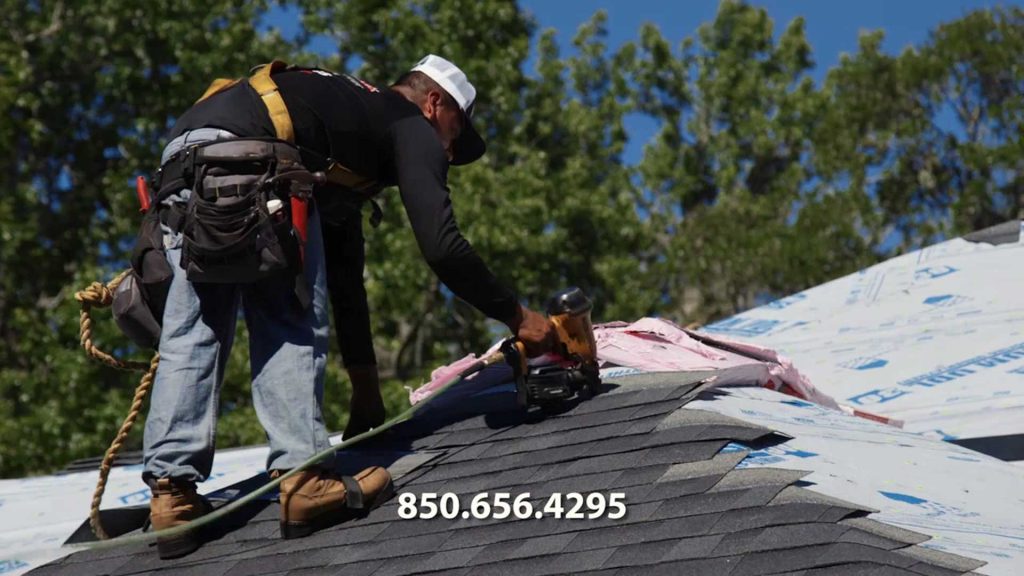
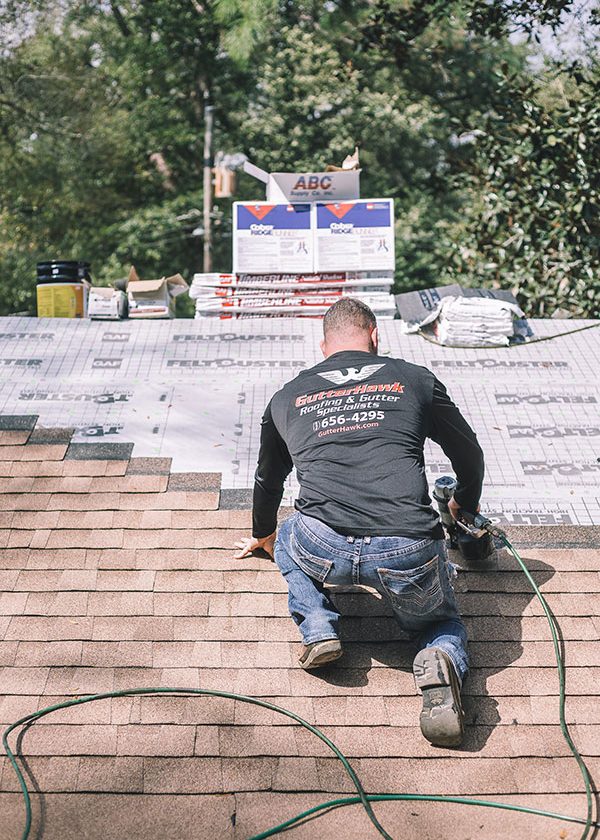
Day one starts with tear-off if you’re coming off shingle, or removal of the old panel system if you’re re-roofing metal to metal. We haul debris same-day so you’re not living with a stripped deck and a tarp overnight unless weather forces it. Once the deck is exposed we inspect for rot, soft spots, and any sheathing that needs replacing before a single panel goes down. That inspection is where surprises show up on older Maclay Hammock homes, especially around chimney crickets and old plumbing vent boots that have been patched more than once.
From there it’s underlayment, then panel layout and fabrication (a lot of our standing seam panels are cut to the exact roof run rather than stocked in fixed lengths), then install starting at one edge and working across. Flashing at valleys, walls, and penetrations happens as we go, not as an afterthought at the end. On a typical single-family roof this runs a few days depending on complexity and weather. Florida summer storm patterns mean we schedule with a buffer, and we’ll tell you upfront if a week looks likely to get pushed by an afternoon system.
What we need from you: clear access to the property, vehicles moved off the driveway, and a decision on panel color and profile locked in before materials get ordered, since custom-fabricated standing seam isn’t a same-day pickup from a supply house.
Metal, Shingle, or Something Else?
What it costs
Metal roofing on a home in Maclay / Maclay Hammock runs between {PRICE_LOW} and {PRICE_HIGH}, and where you land in that range depends on a handful of things: panel profile (standing seam costs more than exposed-fastener panel), gauge and finish, roof complexity (a simple gable roof prices very differently than a hip roof with six valleys and two dormers), and what the tear-off reveals once we’re into the deck. Existing rotted sheathing, chimney flashing rebuilds, and gutter or fascia work bundled into the same job all move the number. We give a written estimate after we’ve actually looked at the roof, not off a phone call, because guessing on a corridor with this much variation in roof age and pitch does nobody any favors.
Why Homeowners Choose GutterHawk
Common questions
Call GutterHawk’s Shamrock team at {PHONE_A} to schedule a metal roofing estimate for your Maclay / Maclay Hammock home.
Serving Maclay / Maclay Hammock From Two Locations
GutterHawk works out of two Maclay / Maclay Hammock locations, Shamrock and North Monroe, which keeps scheduling short across the city and out into Leon County. Both teams handle metal roofing in Maclay / Maclay Hammock FL to the same standard. We cover Killearn, Killearn Lakes, Betton Hills, Midtown, Downtown, Myers Park, Maclay, Bobbin Brook, Live Oak Plantation, Timberlane, Woodgate, Foxcroft, Bull Run, Apalachee Ridge, Ox Bottom, Golden Eagle, Southwood, Buck Lake, and Havana.
Get a Metal Roof Quote
If you are weighing metal against another shingle roof, get real numbers for both before deciding. Call GutterHawk at 850-779-1081 for metal roofing in Maclay / Maclay Hammock FL and we will measure the roof, explain which system fits it, and price it properly.
Frequently Asked Questions
Q.1 How long does a metal roof last here?
Forty years and up for a well-installed system, against fifteen to twenty for asphalt shingles in this humidity.
Q.2 Is a metal roof loud in the rain?
Much less than people expect. Decking and underlayment absorb most of it. Open-framed structures are a different story.
Q.3 Can metal go over my existing shingles?
Sometimes, where code and decking condition allow. We check rather than assume, since it affects both price and warranty.
Q.4 Will a metal roof lower my insurance?
It can, depending on your carrier and the wind rating. Ask your insurer directly, and we will supply the documentation.
Q.5 Does a metal roof attract lightning?
No. Metal does not attract strikes, and it is non-combustible, which is a point in its favour rather than against.
Q.6 Do you repair metal roofs you did not install?
Yes. Fastener replacement, panel work, and seam or flashing repairs on existing metal roofs.
Q.7 How much does metal roofing in Maclay / Maclay Hammock FL cost?
Two to three times an architectural shingle roof, depending on system and complexity. We quote in writing after measuring.
Working With Us Is Easy
01.
Request Your Quote
Getting the process started is easy! Simply fill out our quick form or call us at 850-656-4295. One of our friendly staff members will get in touch to finalize the details.
02.
We Work On Your Estimate
One of our expert estimators will get to to work analyzing your job and crafting a proposal. Of course, we’re here to answer any questions you may have.
03.
GutterHawk Gets To Work!
Contact Us
Have questions about your roof? Do you need information on gutter maintenance plans? No matter the question, GutterHawk is here to help!