GutterHawk Roofing & Gutter Specialists


- About
- Roofing
- Gutters
- Areas Served
Killearn Estates
Killearn Acres
Bradfordville
Betton Hills
Lafayette Park
Southwood
Killearn Lakes Plantation
OX Bottom Manor
Summerbrooke
Golden Eagle
Foxcroft
Bull Run
Waverly Hills
Buck Lake Mahan
Piney-Z
Apalachee Ridge Estates
Myers Park
Maclay
Bobbin Brook
Live Oak Plantation
Timberlane
Woodgate
Lake Jackson
Meridian Hills
Midtown
Downtown Tallahassee
Havana
- Financing
- Testimonials
- Recent Projects
- About
- Roofing
- Gutters
- Areas Served
Killearn Estates
Killearn Acres
Bradfordville
Betton Hills
Lafayette Park
Southwood
Killearn Lakes Plantation
OX Bottom Manor
Summerbrooke
Golden Eagle
Foxcroft
Bull Run
Waverly Hills
Buck Lake Mahan
Piney-Z
Apalachee Ridge Estates
Myers Park
Maclay
Bobbin Brook
Live Oak Plantation
Timberlane
Woodgate
Lake Jackson
Meridian Hills
Midtown
Downtown Tallahassee
Havana
- Financing
- Testimonials
- Recent Projects
Roof Maintenance in Downtown Tallahassee, FL
Downtown Downtown Tallahassee’s roofs are mostly flat or low-slope, sitting over offices, government buildings, and retail storefronts packed close together with almost no room for a ladder truck, let alone a full tear-off. A membrane roof that gets walked on twice a year and cleared of debris on a schedule lasts years longer than one that only gets attention after a tenant reports a drip in the ceiling tile.
What Roof Maintenance Includes
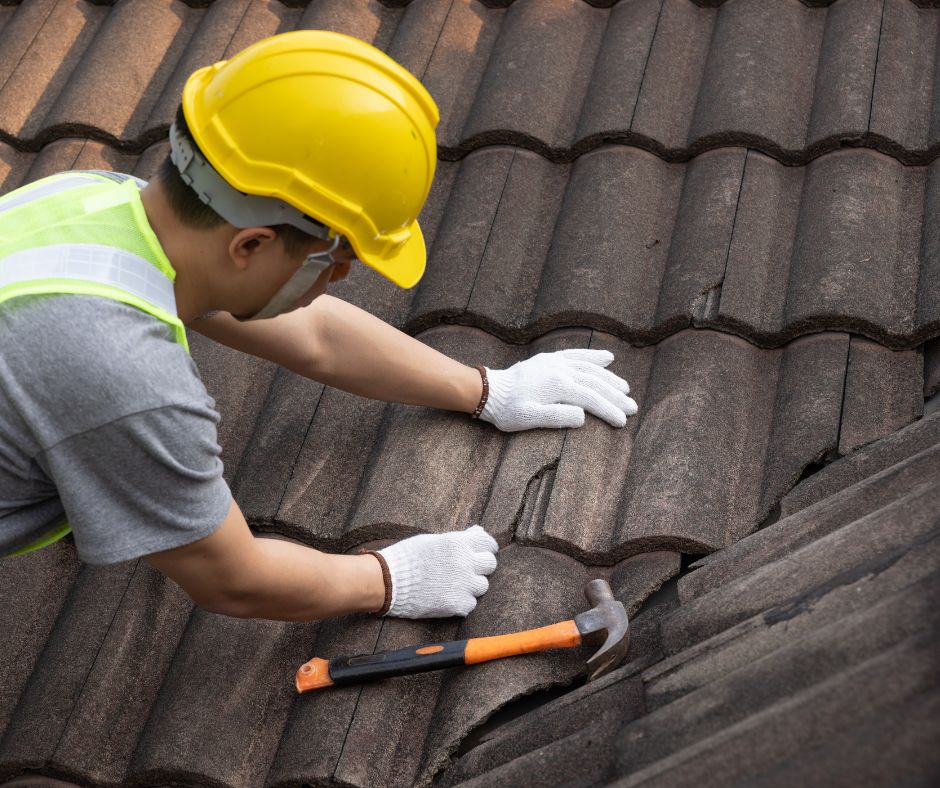
- Debris removal — clearing leaves, pine straw, and limbs out of valleys, hips, and roof-to-wall junctions, where wet debris sits and holds moisture against the shingles instead of shedding it.
- Gutter and downspout flushing — making sure water actually leaves the roof rather than backing up under the drip edge and rotting the fascia behind the gutter.
- Sealant work — resealing pipe boots, vent collars, and exposed fastener heads, which is where most roofs in this area start leaking long before the shingles themselves give out.
- Flashing checks — inspecting and re-securing flashing at chimneys, skylights, dormers, and sidewalls before it lifts or pulls away from the wall.
- Shingle replacement — swapping out the handful of loose, cracked, or missing shingles so water cannot work its way underneath and reach the decking.
- Algae treatment — dealing with the dark streaking that shows up on shaded slopes, which holds moisture and shortens the life of the shingle surface.
- Photo record — pictures of what we found and what we did on every visit, so you can see what has changed since last time instead of taking our word for it.
Why Downtown Tallahassee Roofs Need Regular Maintenance
Roof Maintenance in Downtown Downtown Tallahassee
We run maintenance as a program, not a one-time visit. For a building owner or property manager downtown, that means a signed annual or biannual agreement, a set number of visits per year, and a service log that shows what was done and when. Most manufacturer warranties on TPO, EPDM, and modified bitumen roofs require documented, scheduled maintenance to stay valid, and that documentation is the deliverable as much as the roof work itself.
On a program, our crew clears the box gutters and internal drains, checks membrane seams and flashing at parapet walls and rooftop units, resets loose ballast or pavers where present, and confirms that scuppers and downspouts are actually moving water off the roof deck. We track it in a file tied to the building address so renewal isn’t a guessing game about what happened last time. This is upkeep between events, not a response to one, and it doesn’t replace a full inspection when something’s already gone wrong.
Budgeting is the other half of the program. A property manager working from a fixed operating budget needs to know roof maintenance is a line item with a predictable annual cost, not a surprise call every time a storm rolls through. We set that number with you at the start of the contract based on roof size, membrane type, and how many rooftop penetrations and drains are on the building.
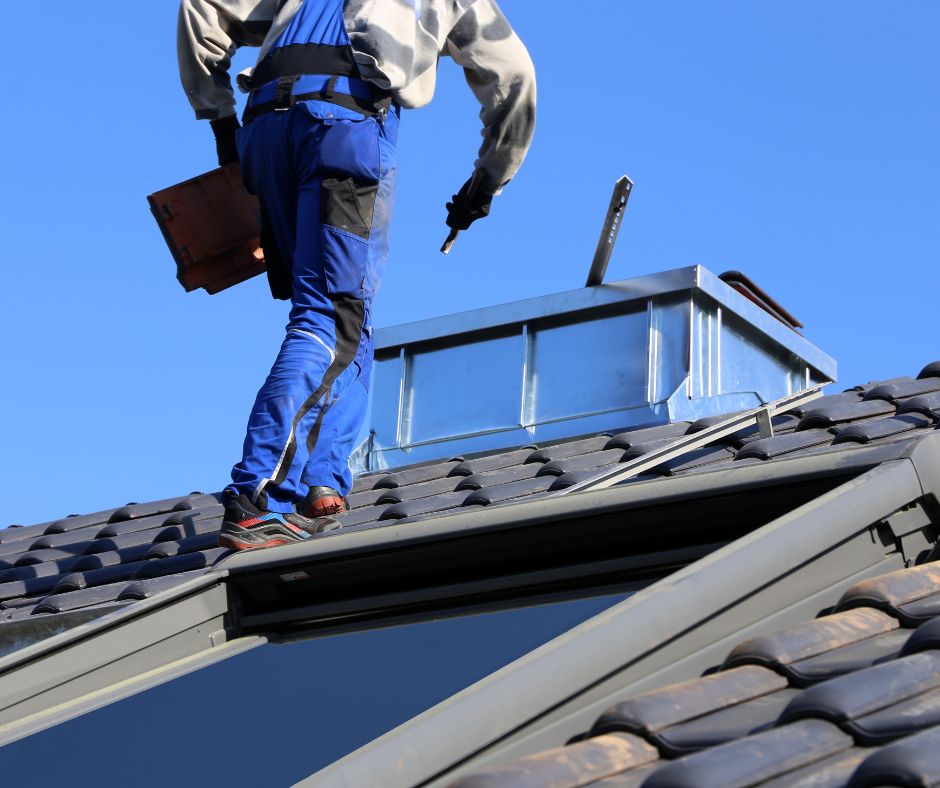
Maintenance, Repair, or Inspection?
What Downtown Downtown Tallahassee homes are dealing with
Most of the roof area downtown isn’t residential in the usual sense. It’s flat commercial membrane over office blocks, state agency buildings, and mixed-use retail, much of it with box gutters built into the roofline instead of hung gutters on a fascia. Those box gutters clog fast. The live oak and pine canopy that shades much of the surrounding city drops needles and leaf litter into them, and once a drain gets partially blocked, water backs up under the membrane edge instead of running off. On older buildings that predate current drainage standards, that backup is the single biggest cause of interior leaks we see.
Grade and drainage downtown are also tighter than in the newer subdivisions out toward the Thomasville Road corridor, where roofs pitch to wide open yards. Here, roof decks often drain toward a handful of interior leaders or a single set of scuppers, so one blocked point can affect a much larger section of roof. A lot of these buildings sit under some form of downtown historic or design review for exterior work, so even routine maintenance items like replacing a scupper or re-flashing a parapet need to match what’s already there and, in some cases, get sign-off before work starts. We plan around that instead of finding out about it mid-job.
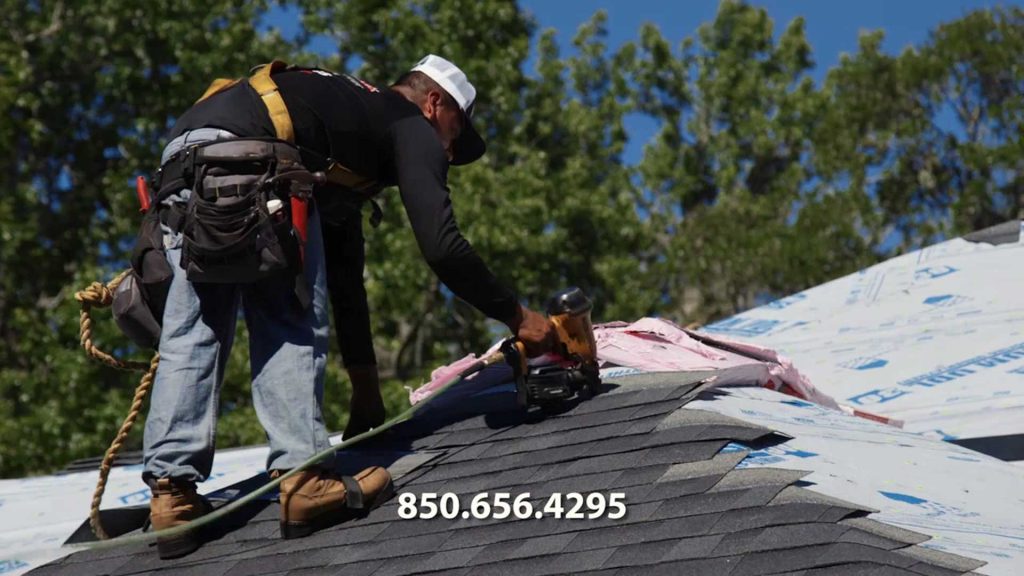
The Roof Maintenance in Downtown Tallahassee FL Process
How the job runs
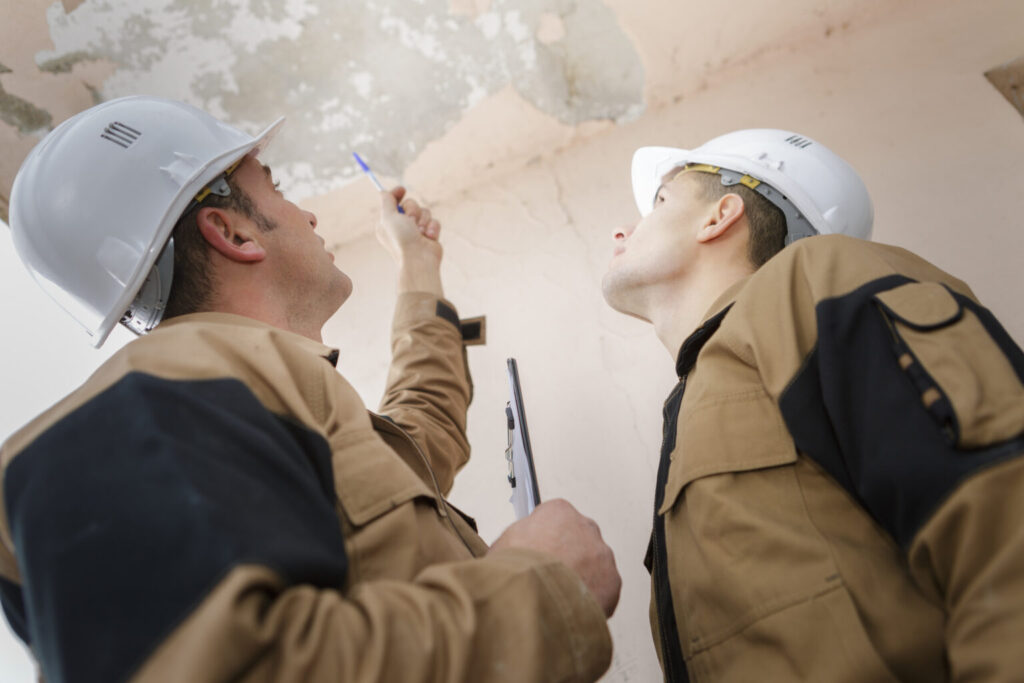
The first visit on a new maintenance contract is a walk of the entire roof with the property manager or a building rep, not a crew working alone. We map every drain, scupper, and rooftop unit, note the membrane condition section by section, and set the visit schedule around it, usually spring and fall to bracket hurricane season and the heavy pine-needle drop.
On each scheduled visit, the crew clears debris from drains and box gutters first, since a blocked drain undoes everything else. From there they check seams, flashing, and any pitch pans or curbs around rooftop equipment, and reset anything loose before it becomes a leak path. What we find gets written up and photographed, and anything outside the scope of routine maintenance gets flagged separately rather than folded into the program cost.
What we need from the building side is straightforward: roof access, a contact who can approve work outside the routine scope if something turns up, and advance notice of any tenant build-outs or rooftop equipment changes that add new penetrations. Those changes affect where water moves and need to be built into the maintenance plan going forward.
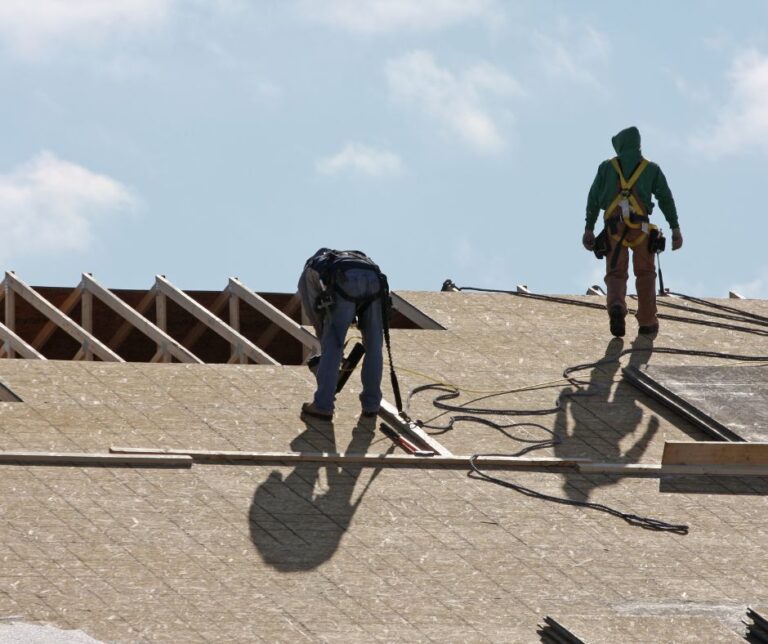
Why Homeowners Choose GutterHawk for Roof Maintenance
What it costs
Program pricing runs roughly {PRICE_LOW} to {PRICE_HIGH} per visit for most downtown commercial roofs on a scheduled contract, with the total annual cost depending on how many visits are in the agreement. What moves the number: total roof square footage, how many drains and scuppers have to be cleared, the number of rooftop units and penetrations to check, and whether the building has box gutters that need clearing by hand versus simpler surface drainage. A building with a straightforward membrane and two drains costs less to maintain than one with a dozen rooftop units and internal box gutters running the full perimeter. We quote the program after the walk-through, not before, because guessing at square footage from the street doesn’t hold up.
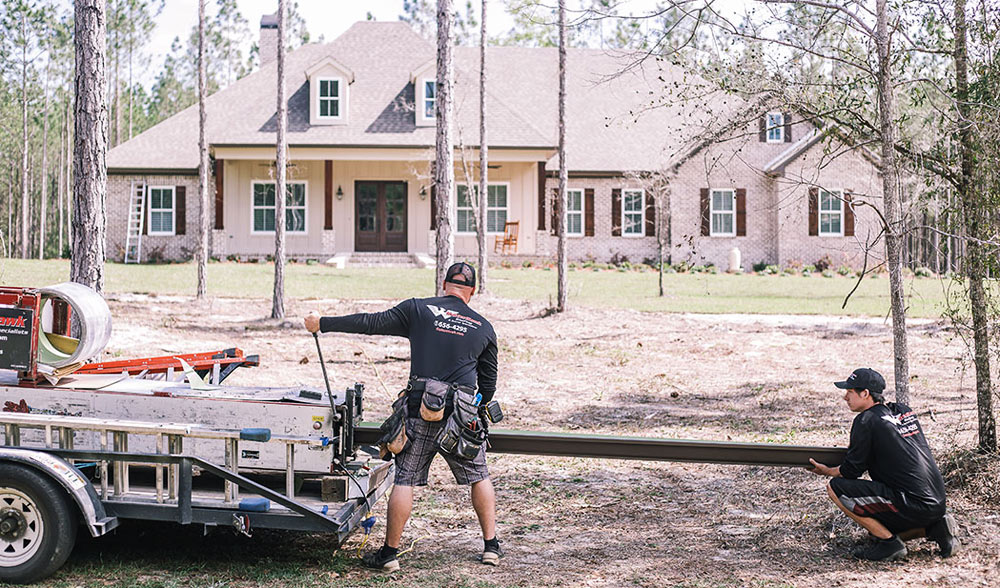
Serving Downtown Tallahassee From Two Locations
Common questions
Schedule Your Roof Maintenance
The cheapest roof repair is the one you never needed. Call GutterHawk at 850-779-1081 to get roof maintenance in Downtown Tallahassee FL on the calendar, or ask us to look the roof over once before you commit to anything. We will tell you what shape it is in and how often it actually needs attention.
Frequently Asked Questions
Q.1 How often should I have my roof maintained?
Twice a year for homes under tree cover, once a year for newer roofs on open lots.
Q.2 Does maintenance really extend the life of a roof?
Yes. Most roofs fail early at the seals and flashing, not the shingles. Keeping those sound buys years.
Q.3 Do you handle the gutters as part of maintenance?
Yes. Gutters and downspouts are included in every visit, not charged as an extra.
Q.4 What happens if you find damage during a visit?
We photograph it, quote the repair separately, and wait for your approval before doing anything.
Q.5 Do I need to be home for the visit?
No. We only need exterior access, and you get the photos and summary either way.
Q.6 How much does roof maintenance in Downtown Tallahassee FL cost?
It depends on roof size, pitch, and access. We give you a price after the first visit, not over the phone.
Q.7 Will maintenance affect my roof warranty?
Most manufacturer warranties expect documented upkeep, and our visit photos give you exactly that record.
Working With Us Is Easy
01.
Request Your Quote
Getting the process started is easy! Simply fill out our quick form or call us at 850-656-4295. One of our friendly staff members will get in touch to finalize the details.
02.
We Work On Your Estimate
One of our expert estimators will get to to work analyzing your job and crafting a proposal. Of course, we’re here to answer any questions you may have.
03.
GutterHawk Gets To Work!
Contact Us
Have questions about your roof? Do you need information on gutter maintenance plans? No matter the question, GutterHawk is here to help!